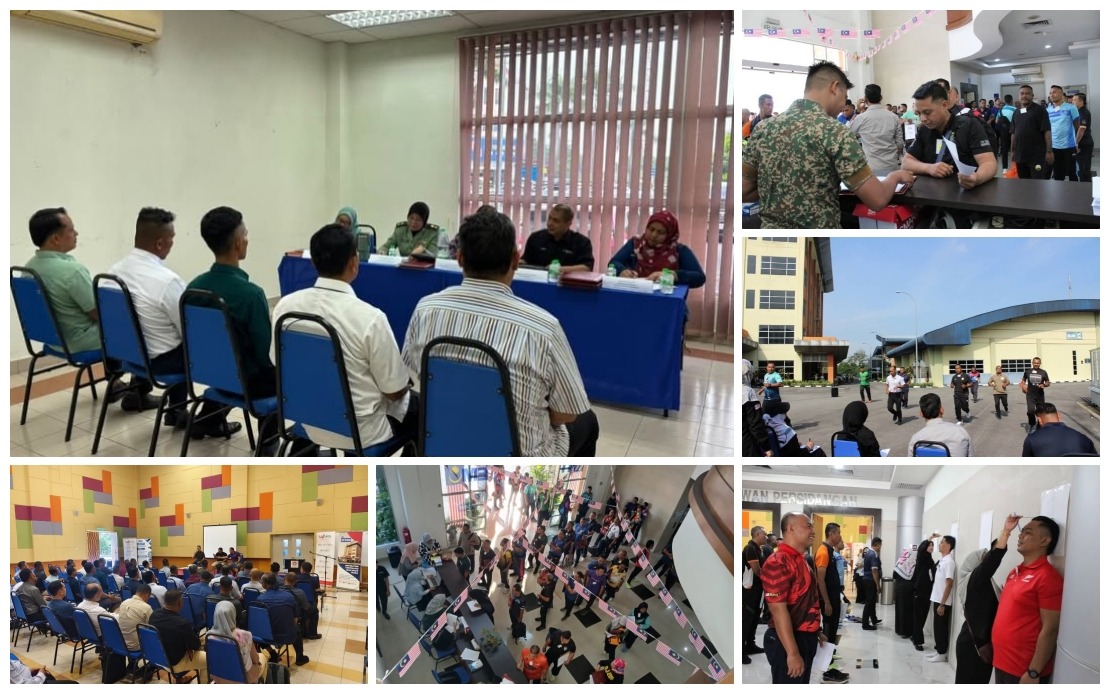
The selection process for MARA Junior Science Colleges (MRSM) wardens has moved into an intensive interview phase, with 147 candidates from military backgrounds participating in a rigorous two-day assessment at the MARA Food Technology Incubator in Kepong last week. According to MARA Chairman Datuk Dr Asyraf Wajdi Dusuki, these candidates represent a carefully vetted pool who have already cleared two rounds of online screening before being invited to sit for the physical interview sessions.
The screening procedure reflects MARA's commitment to appointing wardens who can meet the organisation's exacting standards for residential college leadership. Candidates were subjected to three distinct assessment components designed to evaluate their overall fitness for the demanding role. The Body Mass Index screening established baseline physical health criteria, while the Bleep Test measured cardiovascular endurance and aerobic capacity, two qualities essential for individuals responsible for the wellbeing of teenage students in a residential setting.
Beyond physical assessment, the face-to-face interview component allowed evaluators to determine whether candidates possessed the personal qualities, communication skills, and understanding of MARA's educational philosophy necessary to guide students effectively. Successful appointees will assume their duties on July 1, marking the beginning of a new cohort of wardens tasked with overseeing day-to-day residential operations across MRSM campuses nationwide.
The warden role at MRSM extends far beyond traditional discipline enforcement. Datuk Dr Asyraf Wajdi emphasised that wardens serve as surrogate parents to boarders, functioning simultaneously as mentors, educators, and counsellors. This multifaceted responsibility requires individuals who not only understand MARA's broader mission to develop intelligent and morally upright citizens but also embody those values in their daily interactions with students. The emphasis on selecting from former military personnel stems from the belief that military training instils the leadership experience, maturity, and institutional discipline necessary for such roles.
One of the pressing concerns MARA hopes to address through improved warden selection is the persistent problem of bullying and disciplinary misconduct within residential college environments. By appointing wardens who combine physical presence, training in conflict management, and commitment to MARA's educational philosophy, the organisation aims to create safer, more supportive residential communities. Datuk Dr Asyraf Wajdi outlined his vision for MRSM environments where students feel protected, guided, and encouraged to develop holistically—academically, physically, and morally.
The scale of this recruitment drive underscores the significance MARA places on the warden position. Beyond the 147 male candidates who completed interviews in mid-June, a further 162 female former military personnel were scheduled to undergo identical physical interview sessions the following week. This parallel recruitment track ensures that MRSM facilities can maintain gender-balanced warden teams, allowing students of both sexes to find appropriate role models and mentors within the residential structure.
For Malaysian readers and the broader educational community, this initiative reflects a deliberate strategy to strengthen pastoral care in one of the country's premier secondary school networks. MRSM colleges represent a significant government investment in developing high-achieving students, and the calibre of residential support directly influences students' educational outcomes and personal development. The emphasis on recruiting from military backgrounds suggests MARA believes former service personnel bring valuable experience in managing group dynamics, crisis situations, and the administrative discipline required in institutional settings.
The timing of this recruitment cycle is particularly noteworthy. By staffing wardens by July 1, MARA ensures that new appointments can complete orientation and prepare residential facilities before students return for the new academic term. This allows wardens to establish routines, familiarise themselves with existing systems, and build relationships with colleagues before the intensity of the school year commences. The careful sequencing demonstrates MARA's attention to transition management and institutional continuity.
For aspirants seeking careers in education and student welfare, MRSM warden positions offer meaningful opportunities to influence young lives during formative years. The selection criteria—emphasising both physical capability and alignment with institutional values—send a clear message about what MARA expects from its residential leadership. Candidates must be prepared to commit to the holistic development of students, moving beyond administrative duties to serve as positive role models and trusted advisors.
The broader implications of this recruitment exercise extend to Malaysia's education sector more generally. As schools nationwide grapple with rising concerns about student mental health, social cohesion, and disciplinary challenges, MARA's approach to warden selection offers a model worth consideration. By combining rigorous vetting processes with emphasis on character and mission alignment, MARA is attempting to ensure that those entrusted with student welfare are genuinely equipped for the responsibility. The success or otherwise of this cohort will likely inform warden recruitment practices across other residential college networks throughout Southeast Asia.