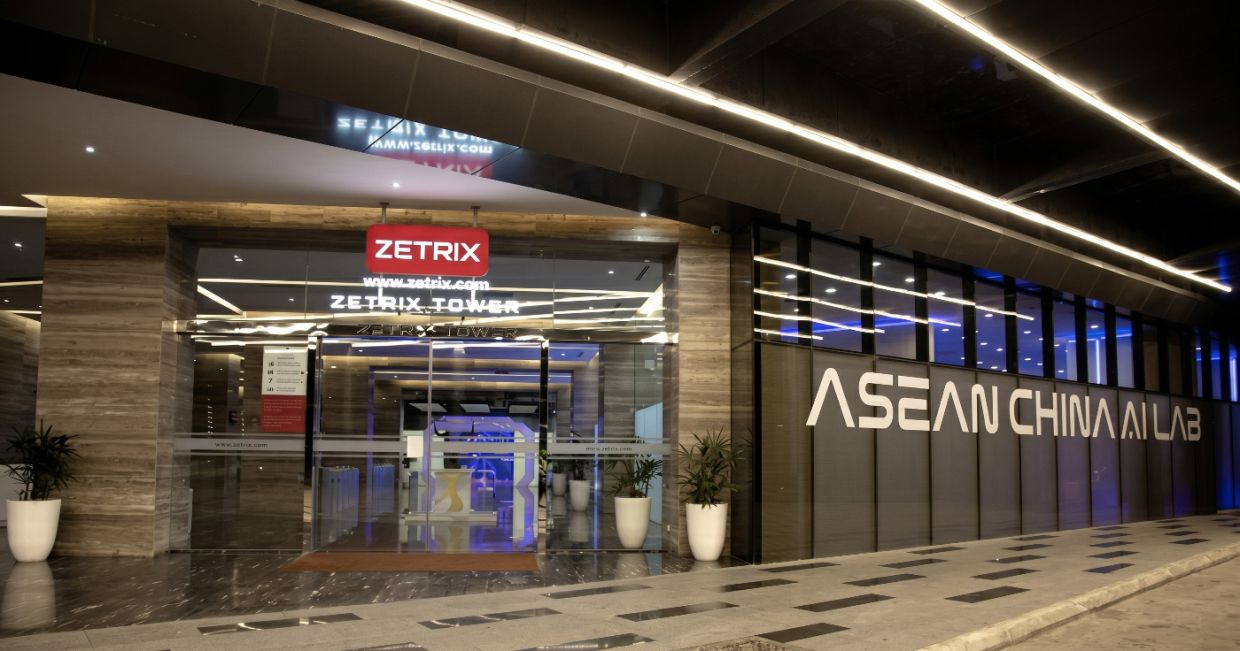
Zetrix AI Bhd moved swiftly to extinguish speculation tying it to corruption charges faced by former human resources minister Datuk Seri M. Saravanan, filing a formal response to Bursa Malaysia Securities Bhd after experiencing dramatic trading volatility that wiped half its market value in a single session. The technology company's categorical denial reflects the severe damage unfounded rumours can inflict on listed firms, particularly in Malaysia's closely-watched equity markets where investor sentiment remains sensitive to governance concerns.
The clarification came after three separate graft accusations against Saravanan were presented at the Sessions Court on August 28, centring on the controversial approval of foreign worker quotas. The connection between the former minister's legal troubles and Zetrix AI remained nebulous, yet market participants apparently acted on assumptions linking the two entities, triggering the kind of speculative trading that prompts regulatory intervention. Bursa Malaysia's issuance of an unusual market activity query forced the company into a defensive posture, compelling management to publicly disavow any relationship with Saravanan or his circumstances.
In its response to the exchange, Zetrix AI emphasised that the company bore no involvement whatsoever in the charges levelled against Saravanan and operated independently from any matters concerning foreign worker quota approvals. The statement acknowledged that investors had apparently latched onto unsubstantiated rumours connecting the company to the minister's predicament, though the exact mechanism by which such speculation originated remains opaque. This kind of reputational spillover represents a genuine hazard for technology and business service firms in Malaysia, where political developments occasionally create unpredictable contagion effects across related sectors.
Management conducted internal consultations with the board of directors and substantial shareholders to confirm the absence of any undisclosed transactions, negotiations, or corporate developments that might justify the trading surge. The company found nothing that could reasonably account for the market activity beyond the circulating gossip about Saravanan's legal exposure. Such thorough vetting is standard practice when listed entities face Bursa Malaysia scrutiny, obliging boards to certify that no hidden information exists that might explain sudden price movements or volume spikes.
The scale of Friday's decline underscored the ferocity with which market sentiment can shift when governance shadows fall across a company's profile. Zetrix AI's share price plummeted 30 sen, representing a 50.4% loss, closing at 29.5 sen on extraordinarily heavy volume, with approximately 1.05 billion shares changing hands. This magnitude of depreciation in a single trading session suggests panic selling rather than measured reappraisal of fundamentals, pointing to the contagious nature of corruption allegations in Malaysian capital markets. Investors apparently rushed to exit positions amid concerns that association with a minister facing graft charges might carry long-term reputational or operational consequences.
The correlation between political scandal and equity volatility raises broader questions about information flow and market efficiency in Malaysia's bourse. Saravanan's prosecution relates specifically to foreign worker quota management within the human resources ministry—a function with no obvious operational connection to Zetrix AI's business model or service offerings. Yet the mere proximity of these entities in the public mind, combined with Malaysia's history of corporate governance lapses intertwined with political developments, generated sufficient uncertainty to trigger aggressive selling pressure.
For Malaysian investors accustomed to monitoring corporate governance risks, the incident serves as a cautionary reminder about the hazards of holding equities vulnerable to political contagion. Technology firms and service businesses often maintain multiple stakeholder relationships spanning government procurement, regulatory approvals, and policy-dependent revenue streams. Should any of these connections become entangled in investigations or corruption allegations, share prices can face sudden pressure regardless of whether the company itself maintains clear ethical standing. Zetrix AI's predicament illustrates how political developments can damage corporations through guilt-by-association mechanisms rather than direct culpability.
The company's forthright denial and internal verification procedures reflect contemporary best practices for listed entities navigating governance crises. By immediately responding to regulatory queries and confirming the absence of material undisclosed information, Zetrix AI attempted to restore confidence among institutional investors and retail shareholders. However, the scale of the share price collapse suggests that categorical denial alone may prove insufficient to reverse the damage when political scandal creates sufficient uncertainty about a company's stakeholder landscape.
Moving forward, Zetrix AI faces the challenging task of rebuilding investor confidence through transparent communication and demonstrated business continuity. The company must monitor market sentiment carefully while allowing the dust around Saravanan's prosecution to settle. Malaysian investors will likely remain cautious about firms with potential political connections, however tenuous, until the corruption allegations are fully resolved. The episode also serves as a reminder to corporate management about the importance of proactive stakeholder communication and reputation management when political developments create potential confusion about corporate associations.

