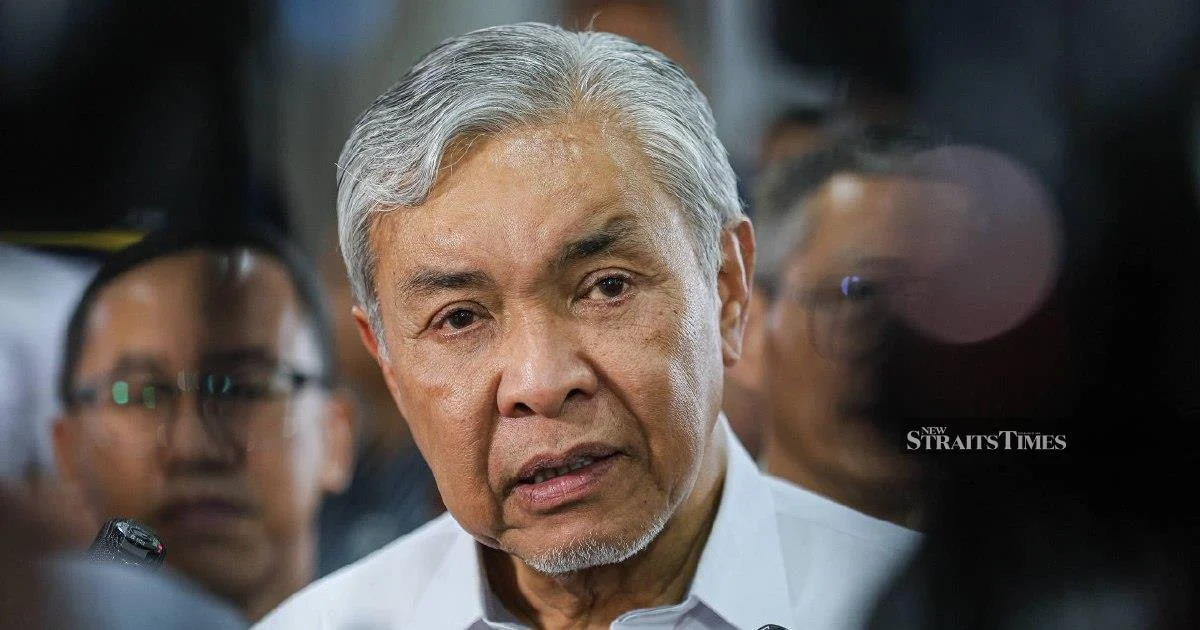
Barisan Nasional is set to formally mobilise its election machinery and present its roster of candidates for the Negri Sembilan state election in a high-profile event scheduled for tomorrow evening. The occasion represents a critical juncture for Malaysia's oldest and longest-reigning political coalition as it seeks to consolidate support in the resource-rich state, a traditional stronghold where BN has held considerable influence but faced increasing electoral pressures in recent contests.
The launch event will serve as a formal springboard for the coalition's campaign machinery, signalling the transition from behind-the-scenes preparations to public-facing electioneering. Such launches carry significant symbolic weight in Malaysian politics, offering the coalition an opportunity to project unity, organisational readiness, and voter confidence at a carefully choreographed moment before polling day. The visibility and turnout at such events often serve as barometers of grassroots enthusiasm and party cohesion.
Negri Sembilan holds particular strategic importance within Malaysia's political landscape. As a state with a relatively compact electorate concentrated in areas like Seremban and Nilai, it presents BN with an opportunity to consolidate support while simultaneously testing its organisational capacity and message resonance. The state's economy, anchored by manufacturing and commerce, makes it sensitive to national economic conditions and governance performance—factors that typically influence voter sentiment during state elections.
The announcement of BN's candidate lineup carries substantial weight for multiple reasons. The selection process reflects internal negotiations among the coalition's component parties, particularly UMNO, MCA, and MIC, each of which has historical claims to representation in the state assembly. Candidate choices invariably generate discussion about generational renewal, factional balance within parties, and the coalition's commitment to inclusivity across its multiethnic membership base.
For Negri Sembilan's electorate, the unveiled candidates represent the individuals who will directly shape state governance over the coming term. Voter scrutiny of candidates typically focuses on their track records in previous roles, their connections to local communities, and their perceived alignment with state-level priorities ranging from infrastructure development to education and healthcare. The quality and credibility of candidates frequently determines electoral margins in closely contested constituencies.
The timing of this launch also matters within the broader political calendar. Early visibility and campaign activation can help BN build momentum, secure media narrative space, and establish positions on key issues before opposition coalitions fully mobilise their own resources. In Malaysia's increasingly competitive electoral environment, where media coverage is fragmented and voter attention is contested, such launches serve as anchor points for sustained campaign communication.
Negri Sembilan's electoral history reveals complex dynamics that influence contemporary contest. The state has witnessed fluctuating fortunes for the major political actors, with voters demonstrating their capacity to deliver decisive results when they perceive either performance shortcomings or compelling alternative visions. This volatility underscores why BN's campaign machinery and candidate presentation must resonate authentically with voter concerns rather than rely on traditional assumptions about support bases.
The coalition faces multiple challenges in the contemporary electoral environment. Younger voters, in particular, display less automatic loyalty to BN than previous generations, instead evaluating parties on specific policy outcomes and perceived integrity. Candidate selections that demonstrate responsiveness to demographic changes and emerging voter priorities can influence these perceptions significantly. The slate announced tomorrow will thus send important signals about BN's understanding of what contemporary Negri Sembilan voters expect from their representatives.
Regionally, the Negri Sembilan election carries implications beyond the state's borders. As one of Malaysia's smaller states in population terms, it nonetheless occupies a notable position within the Federation. Results here can influence perceptions about BN's organisational health, voter appeal, and capacity to govern effectively. Other states, both within and outside BN's control, often watch such contests carefully for insights into shifting voter sentiment and emerging policy concerns that might portend broader national trends.
The launch event will likely feature addresses from BN leadership emphasising the coalition's achievements, vision for Negri Sembilan's development, and contrasts with opposition approaches to governance. Such occasions typically provide platforms for articulating campaign themes, highlighting infrastructure projects, and presenting human faces of the party apparatus to the electorate. The sophistication and clarity of messaging delivered at such events can establish frameworks that shape subsequent campaign discourse.
Moving forward, the campaign period following tomorrow's launch will test both BN's organisational effectiveness and its ability to connect campaign messages with voter priorities. The candidates announced will become the public face of BN's aspirations in the state, their individual qualities and appeal potentially making meaningful differences in individual constituency contests. The machinery activated tomorrow must then translate structural readiness into on-ground engagement that persuades undecided voters and consolidates existing support.
For Malaysian observers tracking the country's ongoing political evolution, the Negri Sembilan contest represents a valuable testing ground for understanding how long-established political formations adapt to contemporary electoral realities. BN's performance here will contribute to the emerging picture of the coalition's capacity to remain electorally competitive in the post-2018 political environment where voter choices have become less predictable and more performance-based than previously.

