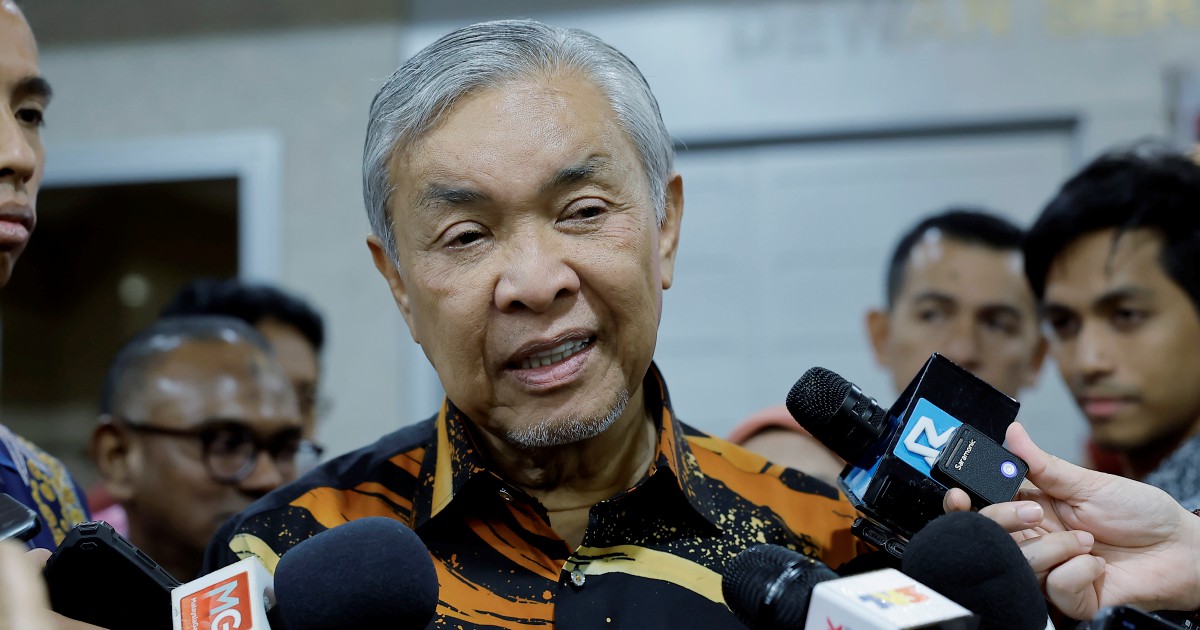
Barisan Nasional chairman Datuk Seri Dr Ahmad Zahid Hamidi has robustly rejected allegations that external forces played a role in determining who would become Negri Sembilan's next Menteri Besar, branding such claims as the uninformed commentary of those disconnected from the practical workings of coalition governance. Speaking in Putrajaya, Zahid suggested that questioning the appointment procedure revealed a fundamental misunderstanding of how political decision-making functions at the state and federal levels within Malaysia's complex power-sharing arrangements.
The comments come amid ongoing scrutiny of how BN component parties and their leadership determine high-level state positions following electoral wins or political transitions. In Malaysia's federal structure, the selection of Menteri Besar candidates has historically been a sensitive process, balancing representation among BN's diverse membership while maintaining factional harmony and rewarding electoral contributions. The appointment mechanism typically involves consultations between state BN branches, the ruling coalition's central machinery, and key stakeholders before a formal announcement.
Zahid's dismissal of the interference allegations underscores the coalition's confidence in its internal processes and decision-making protocols. Rather than engaging substantively with specific concerns raised by critics, the BN chairman characterized the complaints as emanating from those who lack genuine comprehension of how contemporary Malaysian politics operates at multiple governance tiers. This rhetorical approach—positioning detractors as politically naive—is frequently employed to discourage further probing into sensitive appointments or procedural matters.
The timing of Zahid's remarks reflects broader tensions within BN as the coalition seeks to demonstrate unity and coherent leadership ahead of future electoral contests. For the Negri Sembilan appointment specifically, the ability to project consensus suggests that BN's internal mechanisms functioned smoothly without destabilizing disagreements among component parties or between state and federal leadership. Any indication of fissures or external pressure could undermine the coalition's electoral appeal or suggest weakening central authority.
For Malaysian political observers, the exchange highlights enduring questions about transparency in state-level appointments across the country's electoral federalism. Whether selection processes for Menteri Besar positions truly reflect constituent party preferences, grassroots support, or meritocratic considerations remains contested terrain in Malaysian governance discourse. The opacity surrounding such appointments—and the defensive posturing when scrutinized—perpetuates public skepticism about whether the most capable candidates receive positions.
Zahid's comments also carry implications for how BN manages internal disagreements going forward. By publicly disparaging those who question the process rather than elaborating on the procedural safeguards employed, the chairman risks appearing dismissive of legitimate accountability concerns. This stance potentially emboldens further questioning from within party ranks or opposition formations, as critics can point to the leadership's unwillingness to transparently justify decisions as evidence of underlying problems.
The Negri Sembilan case occurs within Malaysia's broader political realignment, where state governments increasingly assert autonomy from federal party machinery while remaining nominally accountable to coalition leadership structures. This tension between state-level and federal-level authority has complicated appointment processes across multiple states, as local stakeholders lobby for representation while central leadership seeks to maintain influence over critical positions. Zahid's insistence on the legitimacy of BN's procedures implicitly asserts federal-level authority over such matters.
Regionally, the appointment dynamics in Negri Sembilan reflect wider Southeast Asian patterns whereby ruling coalitions manage internal diversity through carefully calibrated power-sharing arrangements and strategic appointment decisions. Malaysia's experience offers relevant lessons for other coalition-based democracies in the region navigating similar challenges of balancing diverse constituent interests while projecting unified governance capacity to voters and international observers.
The episode also illuminates the linguistic terrain of Malaysian political debate, where characterizing opponents as lacking understanding becomes a substitute for substantive engagement with their grievances. Zahid's framing—dismissing questioners as ignorant of political realities—exemplifies how Malaysian political actors sometimes leverage technical complexity or insider knowledge as rhetorical shields against accountability demands. This rhetorical strategy can be effective in consolidating support among loyalists but risks deepening cynicism among citizens seeking greater transparency.
Moving forward, the question remains whether BN will proactively adopt more transparent procedures for announcing Menteri Besar appointments or continue relying on assertions of procedural legitimacy without detailed public justification. As electoral competition intensifies and voter expectations for accountable governance rise across Malaysia, coalitions that resist transparency pressures may face mounting electoral consequences, particularly among younger voters and urban populations increasingly attuned to governance quality issues.
For Negri Sembilan specifically, the appointment's legitimacy with the state electorate depends partly on public perception of the process's fairness and openness. Zahid's dismissive approach may reassure BN's internal constituencies but does little to convince skeptical observers that genuine deliberation preceded the decision. As BN prepares for upcoming state elections and periodic federal contests, how the coalition manages such perception challenges will significantly influence its electoral prospects.

