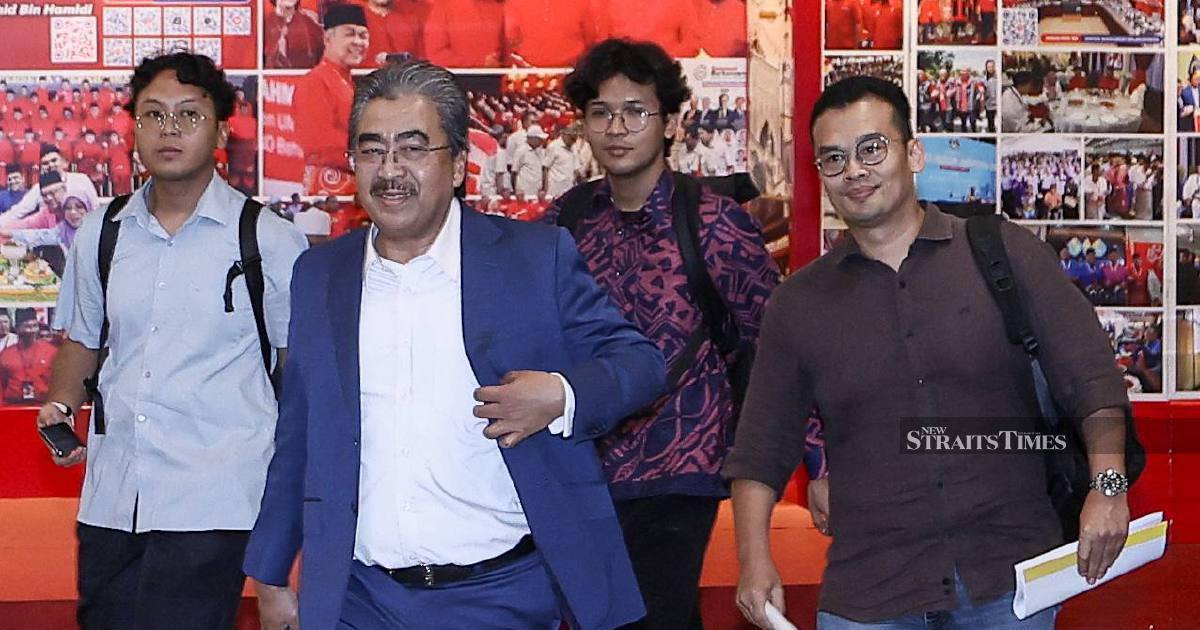
Deputy Prime Minister Ahmad Zahid Hamidi presided over a restricted session at Umno's Kuala Lumpur headquarters where senior Barisan Nasional figures received a detailed examination of the declassified Royal Commission of Inquiry findings concerning Lembaga Tabung Haji, the pilgrimage savings institution. The gathering represented a significant moment for Malaysia's political establishment to discuss the outcomes of the high-level inquiry into the fund, which manages savings for hundreds of thousands of Malaysians intending to perform the Hajj pilgrimage to Mecca.
The presence of leadership representatives from Perikatan Nasional at the briefing underscored the cross-coalition importance of understanding the RCI's conclusions about Tabung Haji's operations and governance. This arrangement highlighted how issues affecting Malaysia's financial institutions and public savings transcend narrow party lines, particularly when substantial sums of ordinary citizens' funds are implicated. The decision to include opposition figures in the confidential session suggested that the matter carried implications for national economic stability and public trust that warranted broader political engagement.
Tabung Haji has long occupied a unique position in Malaysia's financial landscape, serving predominantly Muslim citizens who wish to accumulate funds specifically designated for performing the mandatory Islamic pilgrimage. The institution manages billions of ringgit in accumulated deposits and carries significant cultural and religious importance beyond its purely economic functions. Its stability and transparent operations directly affect the financial security of hundreds of thousands of Malaysian families who view their Tabung Haji accounts as essential vehicles for fulfilling a fundamental religious obligation.
The declassification of the RCI report represented a watershed moment for public accountability and transparency surrounding the fund's administration. Royal Commissions of Inquiry in Malaysia traditionally investigate complex institutional matters involving potential governance failures, financial irregularities, or breach of public trust. The decision to declassify the Tabung Haji RCI report, after what is typically a restricted period, indicated that Malaysian authorities deemed the findings sufficiently resolved or the institutional reforms sufficiently advanced to warrant disclosure to senior political leadership and, presumably, eventual public access.
The confidential nature of this particular briefing session suggests that while the report itself has been declassified, the initial reception and analysis of its findings within political leadership circles required careful handling. Senior decision-makers needed opportunity to absorb the commission's recommendations, assess their implications for institutional reform, and coordinate messaging before any public discussion commenced. This measured approach reflects standard practice when sensitive institutional matters involving public monies require political oversight and deliberation.
For Malaysian investors and Tabung Haji account holders, the RCI process and its eventual disclosure represent mechanisms through which systemic weaknesses or management failures can be identified and corrected. Citizens who have entrusted their savings to the institution—often accumulated over decades—need assurance that whatever governance concerns the commission examined have been properly investigated and remedied. The attendance of multiple political faction leaders at the briefing signalled that addressing any identified deficiencies carried cross-party commitment rather than representing merely factional political advantage.
The timing of this briefing held particular significance for Malaysia's broader development trajectory. As the nation continues navigating post-pandemic economic recovery and inflation pressures affecting household savings capacity, public confidence in state institutions managing ordinary citizens' money remains crucial. Tabung Haji, as a primary savings vehicle for Muslim Malaysians preparing for pilgrimage, carries responsibilities extending beyond conventional financial management into cultural and spiritual domains that make its integrity even more consequential.
Perikatan Nasional's inclusion in the briefing demonstrated pragmatism in how Malaysia's political system handles issues touching the entire electorate rather than narrow factional interests. Whether deliberations focused on management reforms, governance strengthening, financial restructuring, or accountability measures, the nature of Tabung Haji's role required that all responsible parties understand the RCI's conclusions. This cross-coalition engagement pattern, while perhaps less visible in daily political theatre, reflects the reality that certain institutions serve all Malaysians regardless of their voting preferences.
The RCI mechanism itself, as deployed in examining Tabung Haji, illustrates Malaysia's attempt to address institutional governance through established investigative processes rather than purely through legislative or executive interventions. Royal Commissions, when properly conducted and their recommendations genuinely implemented, provide detailed forensic examination of institutional operations, governance frameworks, and decision-making processes. For citizens concerned about how their Tabung Haji deposits are managed, such rigorous inquiries theoretically offer reassurance that systemic problems, if they existed, have been thoroughly investigated.
Moving forward, the implications of this RCI report and the political briefing surrounding it will likely extend into parliamentary discussions, institutional reforms, and potentially adjusted regulatory oversight of pilgrimage savings management. The engagement of Zahid and other senior coalition figures signalled that implementing the commission's recommendations would require substantial political will and cross-party coordination. How thoroughly these recommendations are subsequently acted upon will largely determine whether the RCI process translates into meaningful institutional strengthening or becomes merely another investigative exercise that identifies problems without catalysing genuine reform.

