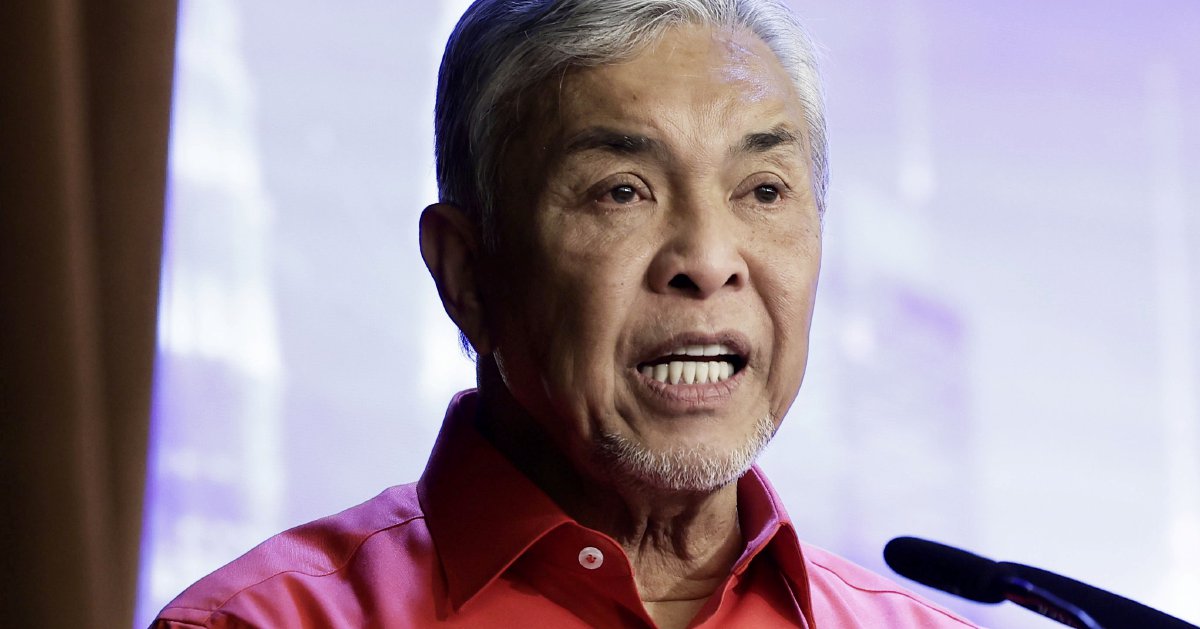
Deputy Prime Minister Datuk Seri Dr Ahmad Zahid Hamidi has appealed to the public and media to abandon spreading unsubstantiated claims regarding Lembaga Tabung Haji, the sovereign Islamic pilgrimage fund that manages savings for millions of Malaysian Muslim worshippers seeking to perform the Hajj. Speaking from his office in Kuala Lumpur, Zahid stressed that the institution deserves protection from narratives that lack factual foundation, particularly when such discourse influences public perception and investor confidence.
Lembaga Tabung Haji has long been a pillar of Malaysia's Islamic finance ecosystem, providing financing and savings vehicles exclusively for Muslims preparing for their pilgrimage to Mecca. The fund operates under strict Shariah compliance and has disbursed billions of ringgit to facilitate the religious journey for countless Malaysians since its establishment. However, the fund has periodically faced scrutiny over its investment strategies, governance structures, and financial performance, with some critics questioning management decisions and transparency protocols.
Zahid's intervention reflects growing concern within government circles that persistent negative speculation—whether regarding investment losses, corporate governance, or management appointments—threatens the fund's credibility and could deter prospective contributors. The Deputy Prime Minister appears to be signalling that officials expect critics to substantiate their claims with verifiable evidence rather than relying on assumptions or partial information that circulates through social media and informal networks.
The timing of Zahid's statement carries significance within Malaysia's current political landscape. As the country navigates economic recovery and seeks to maintain public trust in state-linked institutions, criticism of major bodies like Tabung Haji can amplify concerns about institutional integrity more broadly. The fund's performance directly affects millions of account holders' savings and future pilgrimage plans, making public perception management a legitimate governance concern.
Tabung Haji's journey has included periods of robust growth alongside phases of volatility, reflecting exposure to global capital markets and real estate fluctuations. In recent years, the fund has undertaken strategic reviews and announced restructuring initiatives designed to improve operational efficiency and returns to contributors. These measures underscore management's recognition that institutional evolution is necessary to serve modern Islamic finance needs while maintaining Shariah principles.
The distinction Zahid drew between grounded criticism and baseless allegations carries methodological weight. Legitimate institutional oversight requires evidence-based analysis—audited financial statements, regulatory findings, and documented policies. Conversely, unsubstantiated narratives that circulate without supporting documentation serve neither accountability nor public interest. This framework suggests the government expects informed debate rather than dismissing all criticism as invalid.
For Malaysian pilgrims and their families, confidence in Tabung Haji directly impacts their ability to plan religious obligations. Contributors depend on the fund to safeguard their savings, generate reasonable returns, and process pilgrimage arrangements smoothly. When unfounded concerns erode this confidence, prospective contributors may seek alternative savings vehicles, potentially weakening the fund's asset base and operational capacity.
The Deputy Prime Minister's comments also reflect broader tensions within Malaysia's Islamic institutional landscape, where scrutiny of governance frequently becomes politicized. Distinguishing between legitimate oversight and partisan criticism represents an ongoing challenge for Malaysian policymakers and civil society. Zahid's framing suggests government preference for structured dialogue with stakeholders—contributors, regulators, religious authorities, and independent analysts—rather than public allegations pursued through unverified channels.
Lembaga Tabung Haji's role extends beyond personal finance into national Islamic identity. As a distinctly Malaysian institution managing pilgrimage as both spiritual obligation and cultural practice, the fund occupies a unique position bridging religious, social, and economic domains. This multifaceted significance means that institutional challenges require careful, evidence-informed treatment rather than sensationalized claims that overlook complexity.
Moving forward, Zahid's statement appears designed to establish clearer boundaries for public discourse while implicitly inviting substantive stakeholders to engage with management through appropriate channels. For observers seeking accountability, this approach suggests that credible scrutiny based on documented findings carries more persuasive weight than speculation. The emphasis on factual grounding reflects recognition that institutional trust—once eroded through proliferation of unverified claims—proves difficult to rebuild even after addressing underlying issues.
The call for responsible discussion about Tabung Haji ultimately serves multiple constituencies: contributors seeking protection of their savings, management requiring stable operating conditions, regulators overseeing institutional compliance, and a broader public interest in maintaining functional Islamic finance infrastructure. How stakeholders respond to this appeal to evidence-based discourse will likely influence both the fund's future trajectory and Malaysia's approach to accountability within state-linked institutions more generally.

