A week following the debut of Gerak Khas 2.0, producer Datuk Yusof Haslam has made the difficult decision to excise all remaining scenes of an actress from the 26-episode police procedural drama after she was arrested on narcotics-related charges. The production company, Skop Production, has taken swift action to distance the project from the controversy, with Yusof confirming that approximately 90 per cent of filming has already been completed, leaving only a fortnight of work remaining on the series.
The actress in question faced arrest during a raid conducted by Dang Wangi district police headquarters on July 7, during which she tested positive for three types of controlled substances. The timing proved particularly awkward for the production, as the dramatic reveal coincided with the series' initial broadcast phase, drawing unwanted attention to a project that carries the significant responsibility of representing the Royal Malaysia Police to a national television audience. With such critical timing, Yusof and his team determined that maintaining editorial control and public perception of the drama took precedence over completing the actress's remaining sequences.
According to Yusof's explanation, the actress still had material scheduled across Episodes 23 and 24, representing a meaningful portion of her involvement in the final act of the narrative. Rather than attempt to salvage these scenes through creative editing or reshots with alternative casting, the production opted for complete removal, demonstrating a zero-tolerance approach to the controversy. This decision reflects the delicate balance that entertainment producers must maintain when their work carries an implicit association with government institutions and public service messaging.
Yusof emphasised that this course of action represented damage control rather than a surprise development for the production company. He noted that had the actress's legal troubles emerged during the initial casting phase, she would never have been selected for the role in the first place. The producer acknowledged that the actress had successfully worked on previous Skop Production projects without incident, suggesting that her professional track record prior to the arrest had been satisfactory and that no warning signs had been apparent during earlier collaborations.
The decision to remove her completely rather than reduce her screen time or restructure scenes underscores the severity with which Yusof views the reputational stakes. In his statement, he made clear that he had proactively established expectations for the entire cast and crew regarding conduct and public behaviour, emphasising from the project's inception that maintaining discipline and avoiding activities that could damage either the drama's image or the reputation of PDRM was non-negotiable. This preventive messaging apparently included specific counsel directed at the arrested actress on at least two occasions prior to her arrest.
Yusof's characterisation of the situation as a learning moment extends beyond the individual actress to encompass the broader entertainment industry and younger performers navigating public life. He articulated a philosophy that personal transgressions in the entertainment world carry consequences that extend beyond legal accountability, noting that public memory tends to focus on scandals rather than prior accomplishments. This reflects a pragmatic understanding of how celebrity reputation functions in Malaysia's media landscape, where a single serious incident can overshadow years of positive professional contributions.
When approached about potential remedies or explanations from the actress, Yusof adopted an uncompromising stance, rejecting any appeals or circumstances she might present. His statement that he told her "it's too late" signals that the production company views the matter as closed and beyond negotiation. This firmness suggests that Yusof believes allowing flexibility or reconsidering the decision would send mixed messages about the standards the production maintains, potentially undermining future disciplinary decisions or casting choices.
The context of this drama carries particular weight given its direct connection to law enforcement branding. Gerak Khas has historically served as a flagship representation of Malaysian police work in television drama, and the new iteration seeks to maintain that tradition while updating the concept for contemporary audiences. An actress involved in narcotics offences working on such a property creates an obvious contradiction between the content's messaging and the real-world conduct of its cast members, making the producer's position understandable even if somewhat harsh.
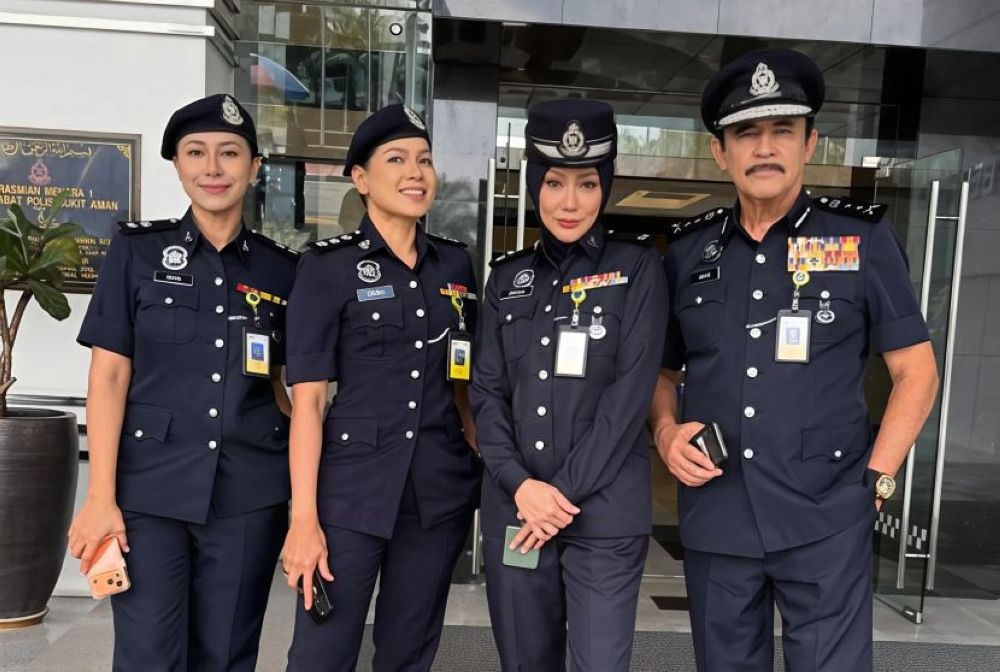
The cast list for Gerak Khas 2.0 includes established Malaysian entertainment figures such as Hans Isaac, Erra Fazira, C. Kumaresan and Salina Saibi, alongside the police inspector characters portrayed by Tisha Shamsir, Nabiha Aimi and Emily Elizabeth. The broader ensemble will continue with production as planned, and the removal of one actress's remaining material, given that 90 per cent of filming is already complete, represents a manageable editorial adjustment rather than a fundamental disruption to the production schedule.
For the Malaysian entertainment industry, this incident serves as a cautionary reminder about the heightened scrutiny facing actors involved in projects with institutional partners or government associations. The swift and absolute nature of Yusof's response suggests that producers working on such high-profile productions may face mounting pressure to implement rigorous vetting and ongoing monitoring of cast members, particularly regarding substance abuse and legal compliance. Whether such expectations are realistic or fair remains a point of legitimate debate within creative circles, but the commercial imperatives and reputational risks involved ensure that similar incidents will likely prompt comparable reactions from other producers facing comparable circumstances.
The broader implications for Southeast Asian television production merit consideration as streaming platforms and international partnerships become increasingly prevalent. As content circulates across regional and global audiences, producers must contend not only with local cultural sensitivities but also with international standards of conduct and behaviour expected from entertainment professionals. This case exemplifies how domestic legal matters involving cast members can rapidly escalate into production crises with financial and scheduling consequences, potentially influencing how entertainment companies approach talent management and risk mitigation across the region.

