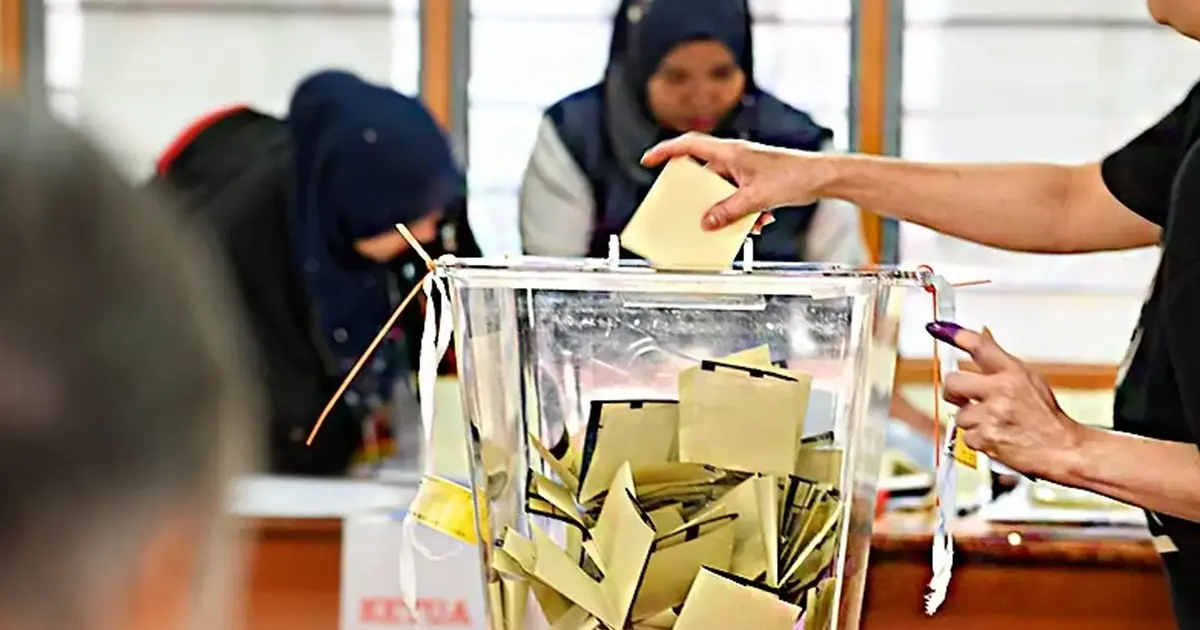
The outcome of Johor's electoral contest may ultimately rest in the hands of voters between 21 and 39 years old, according to political analysts monitoring the state's voting dynamics. This age cohort has emerged as a potentially pivotal constituency whose priorities and grievances could determine which parties gain ground in the ballots. Rather than forming a monolithic bloc, these younger voters bring distinct preoccupations shaped by their life stage and economic circumstances, forcing political parties to carefully calibrate their messaging and policy commitments to capture this influential segment.
Analysts underscore that this demographic cohort cannot be taken for granted by any political formation. The 21-39 age bracket encompasses individuals navigating critical life transitions—completing tertiary education, establishing careers, forming partnerships, and contemplating parenthood. These overlapping life stages create a complex tapestry of concerns that extend well beyond traditional campaign rhetoric. Political strategists must genuinely engage with the specific anxieties animating this generation rather than relying on generic appeals or empty promises of development.
Economic stability stands foremost among the preoccupations of this age group. Young adults in Johor are acutely aware of inflation's erosive effects on purchasing power and the precariousness of income in an evolving employment landscape. Rising costs of living directly threaten their capacity to establish independent households and build financial security. Parties seeking to mobilise this demographic must articulate concrete pathways toward sustainable economic growth that benefits workers and young professionals, not merely corporate interests or large-scale investors.
Employment prospects represent another crucial dimension shaping how this cohort approaches electoral choices. Johor's younger workers are contending with a labour market undergoing significant structural change, particularly as automation and digital transformation reshape traditional industries. Job security has become elusive for many, with contract-based and gig economy arrangements replacing permanent positions. Political parties must address not only the quantity of employment opportunities but also their quality, including wage standards, skills development programmes, and career progression pathways that enable genuine upward mobility rather than stagnation.
Housing affordability emerges as perhaps the most visceral concern animating this age group's political calculations. Young families and individuals seeking to purchase homes find themselves priced out of property markets inflated by speculation and investor demand. Johor, despite being less expensive than neighbouring Selangor or Kuala Lumpur, has experienced significant appreciation that strains the budgets of first-time buyers earning modest salaries. Political parties must move beyond vague commitments to affordable housing and instead propose implementable solutions—whether through regulated pricing mechanisms, subsidised mortgages, or alternative tenure models—that genuinely expand homeownership possibilities.
Family commitments and broader life planning concerns also weigh significantly on this demographic's voting decisions. Young couples contemplate parenthood amid economic uncertainty, calculating whether they can afford childcare, education, and healthcare costs. Single professionals evaluate whether their earning potential justifies remaining in Johor or relocating to higher-paying markets elsewhere. These intimate personal calculations translate into political preferences, as voters assess which parties seem most attuned to supporting families and individuals through life's major transitions.
The political significance of this age cohort extends beyond their sheer numbers. Younger voters, while often cited as less reliable at the ballot box, are increasingly displaying greater political engagement and discriminating choices compared to previous generalizations. They utilise social media and digital platforms to organise, share information, and hold politicians accountable in real time. This generation scrutinises manifestos, compares policy promises across parties, and maintains longer memories of broken pledges. Parties cannot simply activate this demographic through traditional grassroots structures; they must demonstrate genuine understanding of generational concerns through substantive policy frameworks.
Moreover, this age group's electoral behaviour carries implications extending far beyond Johor itself. As Malaysia's largest state by population and a crucial political battleground, Johor elections often signal broader national sentiment. If younger voters in Johor mobilise around particular issues or gravitate toward specific parties, their choices may reverberate throughout the country, potentially reshaping coalitions and power equations at the federal level. Political analysts therefore monitor this demographic as a bellwether of emerging national trends and shifting voter priorities.
Parties operating in Johor face mounting pressure to move beyond platitudes and offer credible, detailed policy responses to the legitimate grievances of this age group. Generic promises of development or vague references to youth empowerment will likely fall flat with voters who demand specificity about how parties intend to address their immediate economic challenges. The intellectual and policy groundwork required to speak persuasively to this demographic's concerns demands genuine effort from party strategists, not merely campaign theatre staged for media consumption.
The 21-39 age bracket's electoral significance in Johor underscores a broader transformation occurring across Malaysian politics. Voters increasingly demand that political parties move beyond identity-based mobilisation or personality-driven campaigns toward substantive engagement with material conditions affecting daily life. Economic anxiety, housing stress, employment precarity, and family planning constitute the real fabric of this generation's political consciousness. Parties attentive to these preoccupations, and willing to translate that understanding into concrete policy commitments, will likely find themselves positioned advantageously as Johor's younger voters prepare to cast their votes.