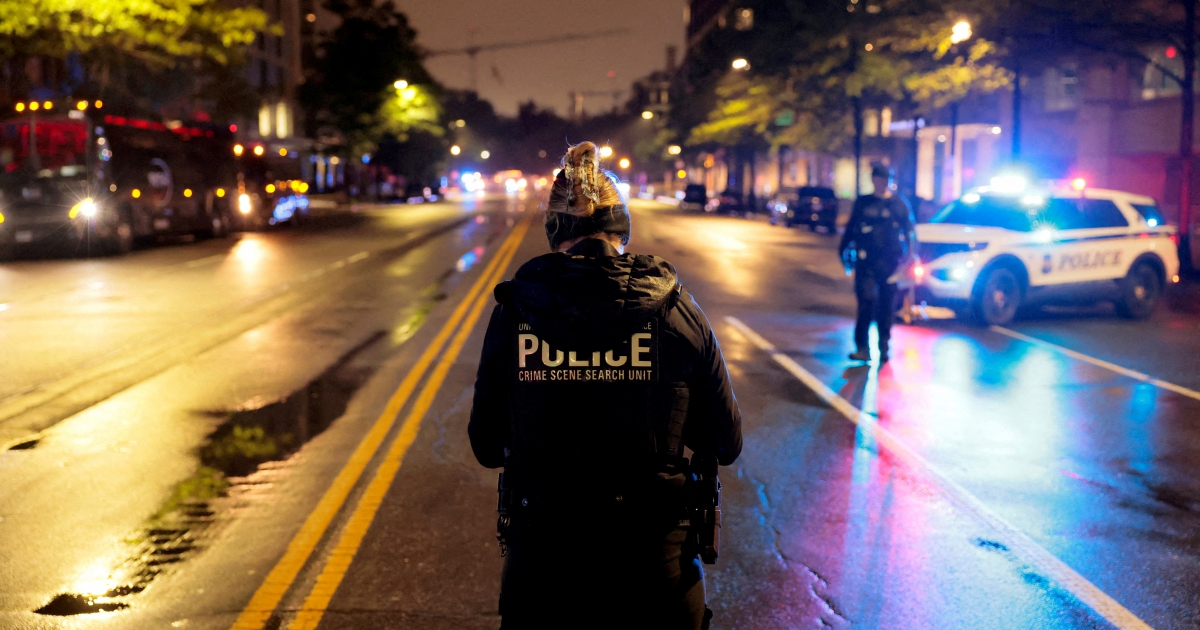
A bystander struck during a confrontation between US Secret Service personnel and a shooter near the White House in May is pursuing legal action, with the injured individual's legal team announcing their intention to file a lawsuit against the federal protective agency. The decision to proceed with litigation marks an escalation in the aftermath of an incident that raised serious questions about operational procedures and civilian safety during protective service engagements in Washington.
The shooting incident drew attention to broader concerns about how federal law enforcement agencies manage armed confrontations in areas with high pedestrian traffic. When armed suspects are encountered near sensitive government installations, the presence of bystanders creates complex operational challenges that pit the need for immediate threat containment against the imperative to protect innocent people in the vicinity. This particular case highlights the tension between those competing priorities in a real-world scenario.
For Malaysian and Southeast Asian observers, this legal development carries implications regarding how democracies address accountability when civilians are harmed during official security operations. Many regional nations maintain similar protective arrangements for government installations and leaders, yet the litigation culture in the United States differs markedly from approaches in other jurisdictions. The case provides a window into how civil liability frameworks in mature democracies handle collateral damage in security contexts.
The lawsuit underscores growing scrutiny of Secret Service procedures and decision-making protocols. Over recent years, the agency has faced multiple high-profile incidents and operational failures that prompted congressional inquiries and internal reviews. This additional legal challenge compounds pressure on an institution responsible for protecting the president and other senior government figures while maintaining public security in the nation's capital.
From a liability perspective, the case will likely examine whether the Secret Service exercised appropriate judgment in the circumstances. Courts typically consider whether officers acted reasonably given the information available at the moment, whether proper warnings were issued, and whether less-injurious alternatives existed. The bystander's legal team will need to establish that the agency's conduct fell below standards expected of trained federal personnel operating in a densely populated urban environment.
The financial dimensions of such cases can be substantial. Personal injury settlements against federal agencies involving gunshot wounds typically account for medical expenses, ongoing treatment, lost wages, pain and suffering, and in some cases, permanent disability. The Secret Service, like other federal agencies, carries liability insurance and maintains budgets for settlement of claims, yet these cases draw public resources away from operational purposes.
Institutionally, the Secret Service faces a delicate balancing act. The agency must respond decisively to genuine threats while simultaneously minimizing risk to uninvolved third parties. Any lawsuit challenging their judgment in a specific incident inevitably prompts broader examination of training protocols, rules of engagement, and the systems used to evaluate whether force was necessary and proportionate.
The timing and circumstances of the May incident remain important context. Understanding exactly how the confrontation unfolded, what warnings were given, whether the bystander had opportunities to seek cover, and what the shooter's actions were at critical moments will all feature prominently in the litigation. Discovery processes will likely reveal internal Secret Service communications, incident reports, and operational procedures.
From an international perspective, this case demonstrates how civil litigation serves as a check on executive and security agencies in the United States. While some nations concentrate accountability authority within government or specialized institutions, the American system empowers individual plaintiffs to challenge agency conduct through federal courts. This creates a different incentive structure for how agencies weigh civilian safety against threat response.
The broader implications extend to how other federal law enforcement agencies, including those in allied nations that model their procedures on American practices, approach similar scenarios. A finding of negligence or a substantial settlement could influence how security protocols are refined across the government sector. Training academies, operational guidelines, and risk assessment procedures might all be affected by litigation outcomes.
For the Secret Service specifically, this lawsuit adds to institutional pressures that have mounted in recent years. Beyond this particular case, the agency has confronted criticism over resource allocation, coordination with other agencies, and specific operational failures that allowed security breaches. Defending against civil litigation while simultaneously implementing reforms creates administrative burdens that stretch organisational capacity.
The case also reflects broader American legal culture where individuals harmed by government action routinely seek damages. This approach differs markedly from some other Western democracies where public law remedies or administrative compensation schemes handle such matters. The civil lawsuit mechanism creates transparency and accountability through judicial process, though it can also result in protracted litigation and significant legal costs.
As this matter progresses through the legal system, it will serve as an important test of how federal courts balance deference to security agencies' operational judgments against the rights of injured civilians to seek redress. The outcome will likely influence how similar incidents are handled in the future and may prompt re-examination of policies governing armed response in civilian-dense areas near federal installations.

