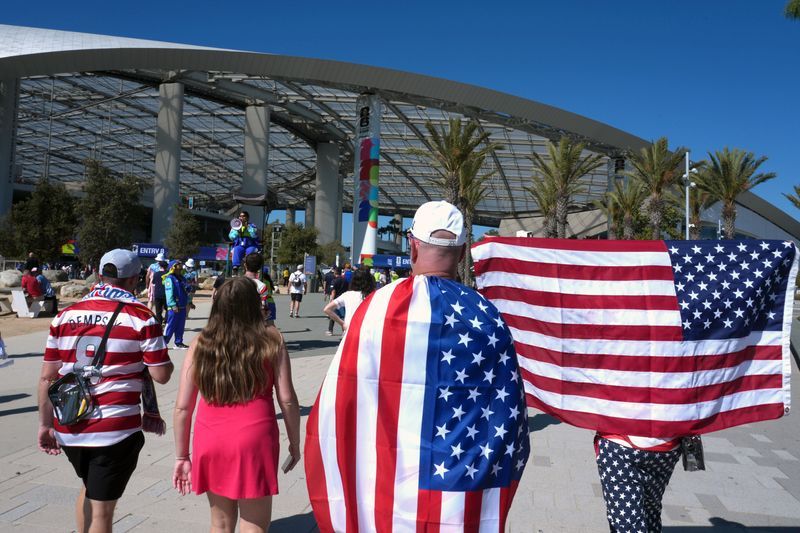
The first North American FIFA World Cup in over three decades has been marred by a growing crisis in its secondary ticketing market, with the resale platform StubHub cancelling orders mere hours before crucial matches and leaving fans stranded across the continent. The issue came to light when multiple families who had purchased World Cup tickets through the platform discovered their carefully laid plans unravelling at the eleventh hour, forcing long-distance journeys to be abandoned and cherished occasions reduced to bitter disappointment. What began as isolated incidents has since developed into a pattern affecting dozens of supporters, many of whom had planned their attendance around the purchase, making the sudden cancellations particularly disruptive.
Jeremy and Sarah Wright from Austin represent a telling example of how these disruptions have devastated fans' expectations. Having selected Netherlands versus Japan on June 14 as a Christmas gift more than ten months in advance, the couple drove from their home in Texas to Dallas and gathered with fellow supporters at their hotel to mark the occasion. However, just five hours before kickoff, a StubHub notification informed them that their tickets could not be delivered. Although the platform assured them it would provide replacement tickets under its "FanProtect Guarantee," the reality proved far different when attempting to claim the alternative tickets resulted only in a refund offer. After exhausting hours attempting to reach customer support without resolution, the Wrights made the difficult decision to abandon their plans and return home through heavy rain.
Similarly, writer and personal stylist Dacy Gillespie purchased four tickets to Argentina's June 16 match against Algeria as a surprise Christmas present for her two sons, only to receive a message on matchday that the seller could not fulfil the order. Having already driven approximately 250 miles from St Louis to Kansas City with her family, Gillespie faced the same dilemma as the Wrights: last-minute cancellation with minimal recourse. These accounts have multiplied across social media platforms, revealing a systemic problem rather than isolated technical glitches, with affected purchasers expressing frustration at the breakdown between what sellers promised and what the platform could deliver.
The underlying mechanism driving these failures is a practice known as "speculative ticketing," according to Scott Friedman, a ticketing expert who previously worked with the Cleveland Cavaliers and now operates the Ticket Talk Network. This practice involves sellers listing tickets at a certain price with the intention of purchasing them at a lower price later, thereby capturing the profit margin without possessing the tickets upfront. The arrangement resembles short-selling in equity markets, where investors profit from price declines. Friedman explains that this model typically functions reasonably well during most sporting events, as secondary market prices tend to decline as the event approaches. However, World Cup ticket prices defied this historical pattern by rising consistently as the tournament drew nearer, leaving speculative sellers unable to complete transactions without accepting losses they were unwilling to absorb.
StubHub's official policies explicitly prohibit speculative ticketing, yet enforcement remains inadequate because the platform does not require sellers to provide seat numbers at the time of listing. These "ghost tickets" circulate widely throughout secondary markets without effective detection mechanisms. The evidence suggests that Jeremy Wright's purchase from StubHub on September 6, 2025, four days before FIFA even launched its first official sales draw, almost certainly came from a speculator rather than an official vendor. His order confirmation revealed only that the tickets were classified as "Category 3" seating, with specific seat numbers conspicuously absent from the documentation.
StubHub maintains that it has implemented safeguards requiring sellers to upload tickets or furnish proof of purchase at listing, with financial penalties and account suspension reserved for those who misrepresent their inventory. A company spokesperson acknowledged that the platform had established dedicated World Cup support personnel and expanded capacity to source replacement tickets for affected customers. Nevertheless, the damage to consumer confidence has already begun accumulating, particularly given that most affected purchasers only secured responses from StubHub after their complaints generated viral social media attention.
The Wrights and Gillespie both resorted to public complaints online to force the platform's hand, with notably different outcomes. StubHub subsequently offered the Wrights complimentary tickets to a semi-final match, while Gillespie received a $3,000 credit toward her out-of-pocket expenses purchasing replacement tickets elsewhere. Sarah Wright articulated the troubling implication of this outcome, noting that their ability to secure compensation felt almost fortuitous rather than assured, and expressing concern for the numerous other affected customers who lacked the visibility their case had garnered. This two-tiered response system—where victims must escalate to public pressure for resolution—creates inherent inequity among equally wronged consumers.
FIFA and StubHub have positioned themselves in direct opposition regarding culpability for the ticketing failures. The world soccer governing body has insisted that its official ticketing platform operates with acceptable reliability and blamed third-party resellers for any functional issues. FIFA explicitly urged fans to utilise only its official resale platform, which the federation claims provides the sole guarantee of proper ticket delivery. However, FIFA's official platform imposes a 30 percent commission on resale transactions, rendering tickets substantially more expensive than comparable offerings on neutral secondary markets. This pricing differential has motivated many supporters like Dacy Gillespie to navigate toward alternative platforms despite FIFA's warnings, as they perceived the official system as unnecessarily complicated and financially punitive.
StubHub countered by asserting that FIFA's own ticketing infrastructure was impeding ticket transfers across all secondary platforms, implying that the governing body's systems created bottlenecks that third-party vendors could not circumvent. The company acknowledged that cancellations resulted from delivery issues originating with sellers rather than from StubHub itself, yet this explanation provides cold comfort to customers who selected StubHub specifically because they believed the platform offered reliable protection through its buyer guarantees. The standoff between the platform and FIFA reveals a structural flaw in how mega-event ticketing has been architected, with responsibility fragmented across actors who can deflect blame while consumers absorb consequences.
For Malaysian and Southeast Asian sports enthusiasts, these developments carry important implications should the region host major sporting events in coming years. The secondhand ticketing market has grown exponentially across Asia, with platforms proliferating to serve fans seeking alternatives to official channels perceived as opaque or unaffordable. The World Cup debacle demonstrates that resale platforms, however convenient, operate without meaningful regulatory oversight or standardised consumer protections. The phenomenon of speculative ticketing could easily replicate across Asian markets where price volatility surrounding major events creates opportunities for investors to exploit gaps between listing and delivery mechanisms.
Moreover, the regulatory landscape remains fragile, as evidenced by the UK markets watchdog's recent enforcement action against StubHub UK, which resulted in the company being ordered to refund more than 50,000 customers and pay a £900,000 fine for failing to display full pricing information upfront. This regulatory intervention suggests that jurisdictions are beginning to scrutinise secondary ticketing platforms more closely, yet enforcement remains inconsistent and reactive rather than proactive. Southeast Asian governments and consumer protection agencies should consider whether similar regulatory frameworks require implementation before similar crises materialise regionally.
The broader question facing the ticketing industry concerns whether platforms can reconcile their role as neutral marketplaces with obligations to guarantee delivery and protect consumer interests. StubHub's expansion of its World Cup support team and sourcing capabilities acknowledge implicitly that existing systems proved inadequate for managing the scale and complexity of a global sporting phenomenon. Yet structural incentives embedded within resale markets continue rewarding speculative behaviour, particularly when price appreciation rewards sellers for withholding tickets and gambling on future market conditions. Without addressing these fundamental economic drivers, similar failures appear inevitable whenever secondary market prices move contrary to historical precedent.
As the World Cup progresses toward its conclusion, affected fans and broader stakeholder communities will scrutinise how comprehensively StubHub and FIFA resolve outstanding disputes and whether either institution implements systemic safeguards preventing recurrence. The reputational damage to StubHub's brand appears substantial, particularly among consumers who expected the platform's promises of protection to translate into reliable outcomes. The incident also reinforces FIFA's preference for centralised control over ticketing infrastructure, though the governing body's opaque policies and substantial commission structures create legitimate grievances that drive fans toward secondary market alternatives regardless of attendant risks. The World Cup ticketing crisis ultimately reflects broader tensions between market competition, consumer protection, and institutional control that extend far beyond football.

