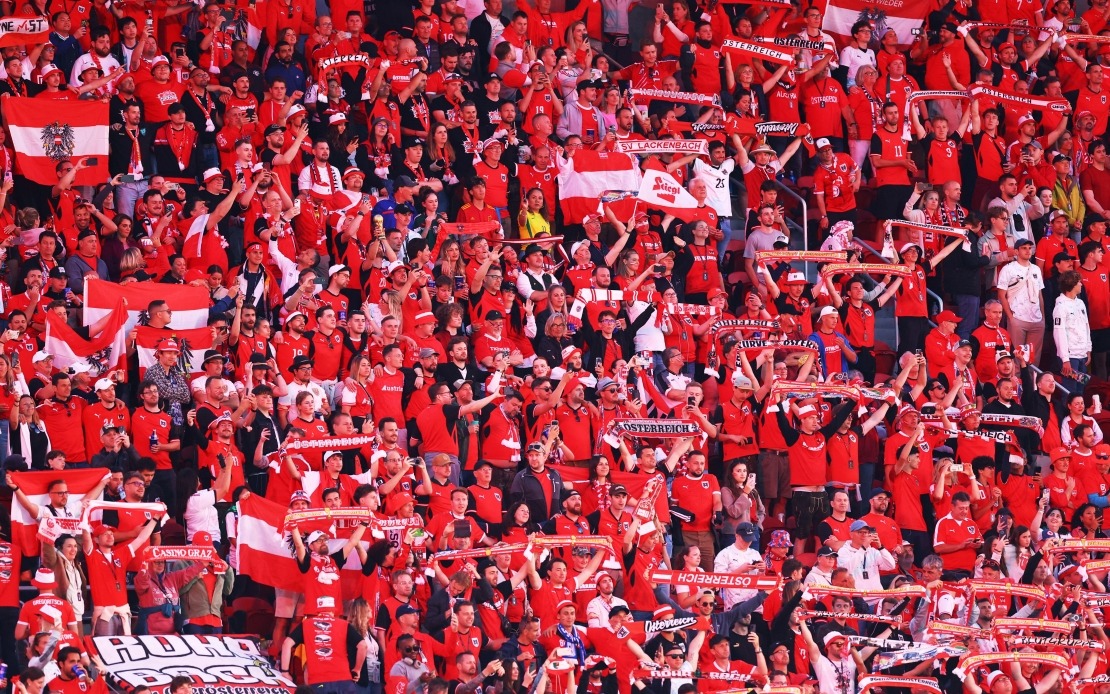
The expanded World Cup format has delivered record-breaking numbers across multiple metrics, FIFA confirmed this week, highlighting the commercial and sporting reach of the tournament as it enters its knockout phase across the United States, Canada and Mexico. The governing body reported that the 72 group-stage matches attracted 4.644 million spectators combined, eclipsing the 3.587 million attendance recorded at the 1994 World Cup held in the United States by more than one million fans.
The scale of the modern tournament expansion becomes apparent when comparing the two competitions directly. The 1994 edition featured only 24 teams competing across 52 matches, meaning the current edition with 48 teams and 80 total matches represents a near doubling of competitive action. Despite this dramatic increase in overall attendance, the average gate per match tells a more nuanced story. The 1994 tournament averaged 68,991 spectators per game, whereas the current group stage has registered an average of 64,508 spectators per fixture. This differential reflects both the increased number of matches and the varying market dynamics across multiple host nations.
Beyond attendance figures, the tournament has produced distinctive statistical milestones on the pitch itself. Players have generated 215 goals through the group stage, a record tally that translates to an average of three goals per game. This compares favourably with the 2022 World Cup in Qatar, which saw 32 teams compete across 64 matches and produce 179 goals, averaging 2.8 per game. The increased goal-scoring rate suggests that the expanded format, with additional matches and potentially varied defensive strengths across the expanded participant pool, has created more attacking opportunities and higher-scoring encounters.
The tournament has fielded talent from across the globe, with the 48 participating nations deploying 999 players in group-stage competition. Canada's captain Alphonso Davies earned a unique distinction when he entered the field during his nation's final group match against South Africa, becoming the 1,000th player to appear at this World Cup. This symbolic milestone underscores both the depth of talent now represented at the competition and the expanded opportunities created by the larger tournament structure.
The commercial dimensions of the expanded tournament have proven equally significant. Inside stadiums, spectators consumed 2.8 million beers and nearly one million bottles of water, whilst purchasing 300,000 hot dogs across all venues. These figures represent the scale of food and beverage operations required to service the larger attendance base, with concession sales reflecting broader consumption patterns at major sporting events in North America. The infrastructure required to supply this volume underscores the logistical complexity of hosting a World Cup across three neighbouring nations.
The tournament experience extended far beyond the stadiums themselves. Official fan festivals established across the three host countries attracted more than 5.5 million visitors who engaged in public celebrations and entertainment programming. These celebrations generated substantial beverage consumption, with over 2 million alcoholic drinks and nearly 2 million soft drinks sold at fan venues outside the stadiums. This broader consumption pattern illustrates how modern World Cups function as comprehensive entertainment experiences that generate economic activity throughout host regions beyond match-day stadium revenues.
For Southeast Asian observers, the expanded World Cup model carries implications for future tournament hosting and the commercial opportunities associated with major sporting events. The region remains aspirational regarding World Cup hosting, with various nations periodically exploring bids. The North American edition demonstrates both the scale of investment required and the potential returns through expanded attendance, broader participation, and diversified revenue streams across multiple host cities and nations.
The record-breaking metrics also reflect evolving global football dynamics. The higher goal-scoring average compared to recent tournaments may indicate changing tactical approaches, increased attacking emphasis, or the competitive range created by welcoming more participant nations. Malaysia and other Southeast Asian nations have historically struggled to qualify for World Cup participation, making the expanded 48-team format theoretically more accessible for regional federations seeking qualification pathways. The tournament's North American success could establish a template for future expansion, potentially reshaping the competition's structure and participant demographics.
From a Malaysian perspective, these statistics demonstrate the commercial viability and global appeal of football at its highest level. The scale of attendance, consumption, and infrastructure deployment required at the World Cup sets a benchmark for understanding the investments necessary for major sporting tournaments. As Malaysian football continues developing its domestic leagues and international competitiveness, understanding how major tournaments generate both sporting spectacle and economic impact remains strategically relevant for sports administrators and policy makers.

