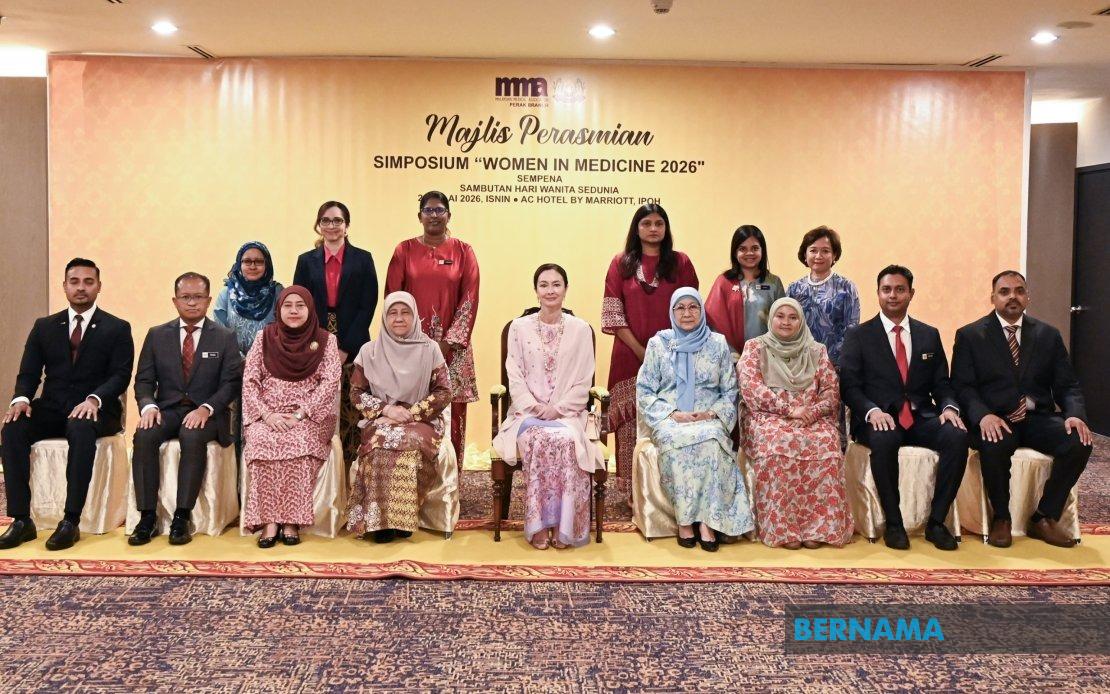
Healthcare leaders in Perak have made a compelling case for elevating women into decision-making positions within the medical profession, contending that female perspectives bring essential qualities needed to address the sector's most pressing contemporary issues. The argument was advanced at the Women in Medicine 2026 Symposium held in Ipoh, where speakers underscored how women's approach to leadership—characterised by broader outlook, heightened empathy and patient-centred thinking—constitutes a strategic advantage in an increasingly complex healthcare landscape.
Dr Monesh Pillai, chairman of the Perak Malaysian Medical Association, contextualised the appeal for greater female leadership within the framework of challenges confronting modern healthcare systems. Beyond traditional clinical concerns, the sector must now contend with escalating mental health crises, the proliferation of lifestyle-related diseases, demographic shifts as populations age, the imperative of technological integration, and the revolutionary implications of artificial intelligence in medicine. Each of these demands sophisticated thinking and adaptable approaches that draw from diverse experiences and worldviews.
The symposium, which received patronage from Tuanku Zara Salim, the Raja Permaisuri of Perak, coincided with International Women's Day celebrations. The attendance of senior figures including the Perak Health director and representatives from the state's top administrative echelons signalled official recognition of the event's significance. This alignment between ceremonial endorsement and substantive professional discussion reflects a growing institutional acknowledgement that gender diversity in medical leadership serves both ethical and practical imperatives.
Dr Pillai's core argument extended beyond symbolic gestures toward systemic change. He called explicitly for women to occupy substantive positions at the governance level—not merely as implementers of decisions made by others, but as architects shaping healthcare policy and institutional direction. This distinction matters considerably in the Malaysian context, where despite comprising a substantial portion of the medical workforce, women remain underrepresented in senior administrative and policy roles across many healthcare institutions.
Dr John Emmanuel, chairman of the symposium's organising committee, elaborated on the mechanisms through which female leadership strengthens healthcare delivery. His argument proceeded from the observation that empowering women in medicine produces tangible improvements in patient outcomes and community health metrics. This claim aligns with international research suggesting that diverse leadership correlates with enhanced organisational performance, improved staff retention, and better-calibrated responses to community needs. For Malaysia's healthcare system, seeking to balance quality improvement with resource constraints, such efficiency gains carry particular weight.
The thematic focus of this year's International Women's Day—"For All Women and Girls: Rights. Equality. Empowerment"—provided the intellectual framework for discussions about systemic barriers and enablement. Speakers emphasised that empowerment transcends merely creating opportunities; it requires establishing structural conditions allowing women to exercise leadership authority fully. This framing acknowledges that women's underrepresentation in medical leadership reflects not individual capability deficits but rather institutional and cultural obstacles requiring deliberate remediation.
The symposium expanded its analytical lens beyond the traditional conception of women physicians, recognising female contributions across the entire healthcare ecosystem. This inclusive approach acknowledges that women serve as leaders, researchers, educators, administrators, nurses, pharmacists, allied health professionals, and in myriad other capacities. By validating this diversity of roles and contributions, the event challenged narrow definitions of healthcare leadership that historically privileged certain specialties or positions.
Monash University Malaysia's president, Datuk Dr Adeeba Kamarulzaman, brought international perspective to discussions through her presentation linking clinical practice with global health policy. Her session examined how women practitioners transition from direct patient care to influencing systemic and transnational healthcare governance—a pathway that remains insufficiently travelled by women in the Malaysian system. For regional healthcare development, women's meaningful participation in policy formulation at national and ASEAN levels carries strategic importance as Southeast Asian nations coordinate responses to shared epidemiological and institutional challenges.
Complementing this macro-level analysis, specialist presentations addressed specific clinical domains where women's leadership and expertise require greater visibility. Dr Sangeetha Siniah's focus on allergy, immunology and maternal-child health illustrates how women practitioners bring particular competencies to healthcare areas affecting population wellbeing. These presentations served simultaneously to showcase existing excellence while implicitly raising questions about why such expertise remains insufficiently reflected in senior institutional positions.
The Perak Malaysian Medical Association's hosting of this symposium positions the state as an advocate for gender equity within Malaysia's medical establishment. Given Perak's significant role in the nation's healthcare infrastructure, with substantial populations served by government facilities, the organisation's commitment to these discussions carries institutional weight. The event suggests broader professional consensus emerging that healthcare systems better serve public health objectives when leadership structures reflect demographic diversity and incorporate varied perspectives.
For Malaysian policymakers overseeing healthcare system development, the symposium's arguments carry implications extending beyond gender equity rhetoric. As the healthcare sector confronts artificial intelligence integration, responds to changing disease burdens, and adapts to fiscal constraints, the cognitive diversity and adaptive capacity associated with inclusive leadership become operational necessities rather than merely aspirational commitments. Women's enhanced representation in decision-making forums could strengthen healthcare institutions' capacity for innovation and responsive adaptation.
The event also reflects international trends within medical professions, where questions of gender, diversity and leadership quality have moved from peripheral concerns into central organisational debates. Malaysian medical bodies' engagement with these themes demonstrates local professional consciousness aligning with global standards for contemporary healthcare leadership. This convergence creates opportunities for Malaysian practitioners to contribute to and benefit from international discussions about building more effective, equitable and responsive healthcare systems.

