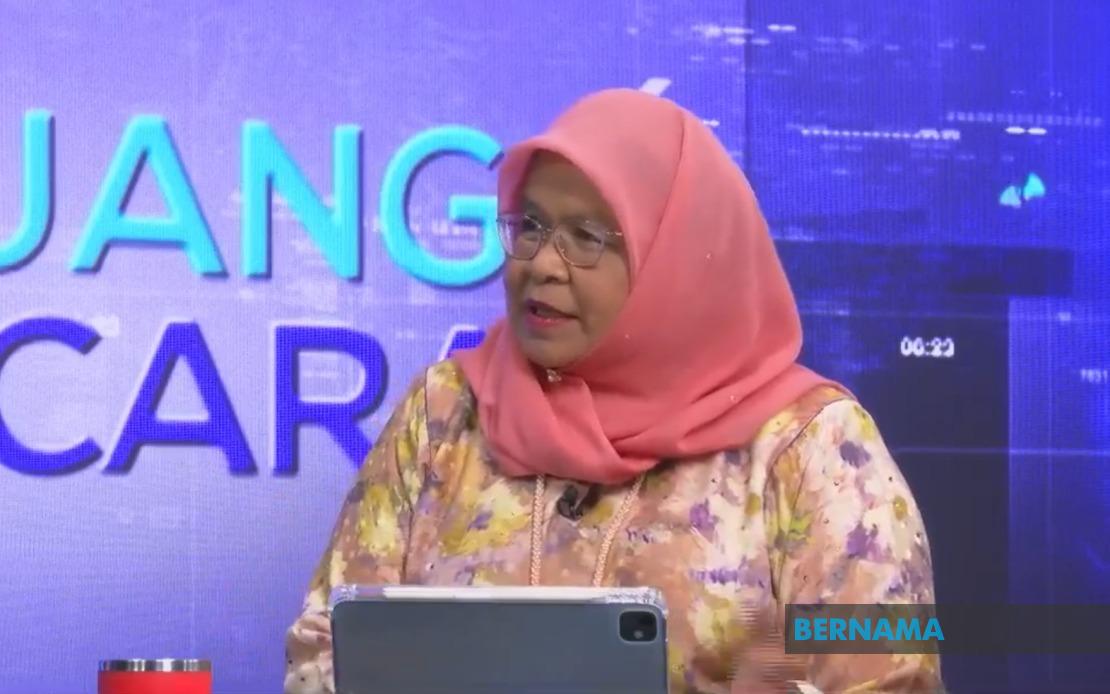
Advancing women into positions of authority demands far more than simply opening doors; it requires comprehensive institutional backing, targeted skill-building initiatives, and a genuine belief in female leaders' abilities, according to Datuk Seri Dr Maimunah Mohd Sharif, the Government's advisor on sustainable urban development and former Kuala Lumpur mayor. Speaking on the importance of female representation in decision-making, Maimunah underscored that women's presence in senior roles remains essential for translating their perspectives and needs into tangible policy outcomes that benefit society as a whole.
The statistics paint a sobering picture of Malaysia's current landscape. While women comprise 56.4 per cent of higher education participants according to 2025 data, only 27 per cent occupy management positions—a stark disparity that reveals how educational access fails to translate into career advancement. In the political sphere, the numbers are even more limited, with women representing just 13.5 per cent of parliamentary members and 16.1 per cent of cabinet positions. These figures suggest systemic barriers persist despite women's demonstrable academic achievement and qualifications.
Maimunah's advocacy reflects a practical understanding that opportunity alone is insufficient. She called on women to actively seize available positions when they arise, simultaneously emphasizing that individuals must pursue continuous learning and skill development to strengthen their qualifications. This dual responsibility—both institutional obligation to provide positions and individual commitment to excellence—characterizes modern approaches to gender parity in leadership.
The former Kuala Lumpur mayor adopted a pragmatic stance on representation targets, suggesting that even parity at 50 per cent across leadership roles would constitute meaningful progress. Her framing avoids unrealistic quotas while acknowledging that substantial change from current baseline figures is both necessary and achievable. This incremental perspective carries weight in Malaysian contexts where dramatic legislative changes often face resistance.
Parallel insights emerged from the corporate sector, where Datuk Mona Suraya Kamarudin, a non-executive independent director at Nomura Asset Management, identified critical gaps between technical competence and senior positions. Within financial services, women frequently demonstrate strong technical expertise and professional experience but concentrate at mid-level management rather than ascending to executive suites. This pattern suggests that barriers to advancement function less from capability deficits than from structural obstacles or cultural biases operating during promotion processes.
Suraya's observation that finance professionals transcend gender considerations when evaluating competence reveals how certain industries approach merit-based advancement differently. Yet the concentration of women at intermediate levels indicates that even meritocratic sectors fail to translate technical excellence into proportional representation at the top. The disconnect suggests that institutional cultures may subtly disadvantage female advancement despite explicit commitment to competence-based evaluation.
A pivotal but often overlooked dimension emerged through discussion of family support systems. Suraya emphasized that professional advancement for women depends not solely on workplace policies but equally on domestic arrangements and family understanding. Women balancing professional responsibilities with family commitments require flexible systems and household cooperation to perform effectively at senior levels. This insight acknowledges that gender equity in leadership remains incomplete without addressing how work-life integration affects women's capacity to accept and excel in demanding positions.
The conversation implicitly acknowledged Malaysia's developing status regarding women's leadership relative to regional and global benchmarks. Southeast Asian nations vary considerably in female representation at senior levels, with some progressing faster than others. Malaysia's 16.1 per cent cabinet representation and 13.5 per cent parliamentary presence position the country in a middle range, offering opportunities to learn from regional peers who have achieved higher parity while potentially contributing lessons to nations lagging further behind.
Maimunah's emphasis on training and support systems connects directly to Malaysian institutional capacity. Government agencies, private corporations, and educational bodies require investment in leadership development programs specifically addressing women's advancement needs. Such initiatives must extend beyond generic management training to address specific challenges women encounter—including navigating workplace cultures, building professional networks, and managing imposter syndrome common among underrepresented groups in senior roles.
The discussion raised implicit questions about Malaysian organizational culture and whether existing gatekeeping mechanisms—whether formal or informal—systematically disadvantage female candidates during recruitment and promotion. Addressing this requires honest institutional audits examining promotion criteria, interview processes, and advancement patterns to identify where subjective factors may introduce bias contrary to meritocratic principles.
Implementing Maimunah's framework demands coordination across government, corporate, and educational sectors. Policymakers must ensure that opportunities translate into actual positions rather than remaining theoretical. Corporations should establish transparent advancement pathways with measurable progress targets. Educational institutions should prepare women students with leadership skills and confidence necessary for senior roles. Family-friendly workplace policies—parental leave, flexible working arrangements, childcare support—require normalization across organizations rather than remaining exceptional benefits.
The remarks ultimately position women's leadership advancement not as a diversity initiative disconnected from organizational performance but as essential to Malaysia's development trajectory. When slightly more than half of university graduates are women yet represent less than a quarter of management positions, the nation forfeits significant talent and perspective from economic, governance, and policy development. Fully harnessing women's capabilities represents both a justice imperative and a pragmatic economic necessity as Malaysia pursues competitive advantage in an increasingly complex global environment.
Moving forward requires abandoning the notion that women's underrepresentation in leadership reflects capability deficiencies. The evidence suggests structural factors, cultural attitudes, and institutional practices merit examination and reform. With proper support systems, genuine trust in female capabilities, and commitment to removing artificial barriers, Malaysia possesses the human capital to substantially increase women's presence in decision-making roles across all sectors.

