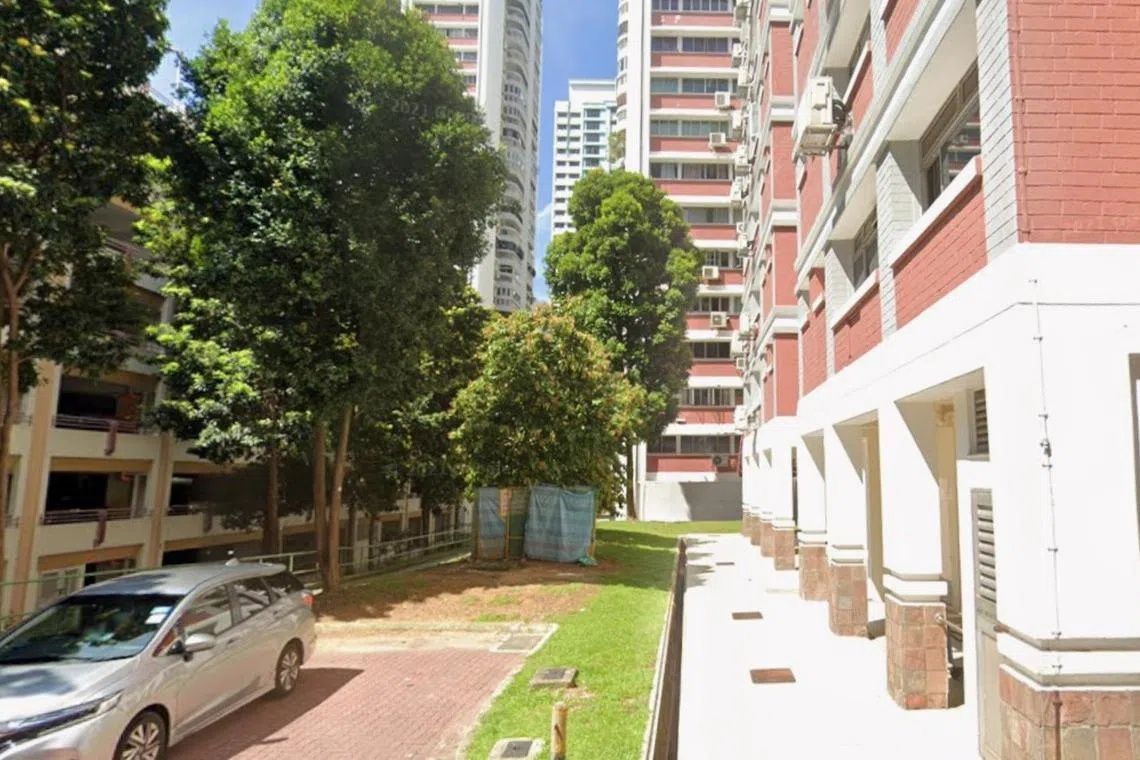
Singapore authorities arrested a 46-year-old woman on Saturday evening after an altercation at a Housing Board residential block in Bukit Merah left another woman injured. The assault, which occurred at 7 Kim Tian Place around 7.40pm, prompted a police response after officers received a distress call. The victim, aged 43 and believed to be known to her attacker, sustained injuries serious enough to warrant immediate hospitalisation at Singapore General Hospital, though she remained conscious when transported.
The suspect was apprehended at the scene and now faces charges of causing grievous hurt using a weapon. Police seized a knife used in the incident as evidence. The nature and extent of the victim's injuries have not been fully disclosed, though her conscious state upon admission suggests she did not sustain life-threatening trauma. The relationship between the two women—described as acquaintances—raises questions about what circumstances triggered the sudden escalation to violence within the residential precinct.
Local media reports indicate the assault left visible traces of the incident, with bloodstains detected at the void deck of the HDB block where many residents gather daily. Such public displays of violence in common areas of public housing estates often generate concern among residents about safety in shared spaces, particularly during evening hours when foot traffic remains substantial. The Bukit Merah constituency, home to several large Housing Board estates, has historically maintained relatively stable crime statistics, though isolated incidents of interpersonal violence continue to occur.
Singapore's approach to addressing violent crime involving weapons has grown increasingly stringent over the past two decades. Assault charges involving cutting implements typically result in significant jail sentences, with courts treating weapon-related offences as aggravating factors warranting harsher penalties. The use of a knife, specifically, carries particular judicial weight given the severity of injuries such weapons can inflict and the intent signalled by their deliberate deployment during confrontations.
The Housing Board estates remain home to approximately 80 percent of Singapore's population, making them central to the nation's social fabric and public safety landscape. While these communities generally experience lower violent crime rates compared to other densely populated urban centres globally, individual incidents receive considerable public attention due to their occurrence in shared residential environments where families and elderly residents predominate. Safety at void decks and common areas has periodically featured in resident forums and town council discussions.
Police investigations into the circumstances preceding the attack are ongoing, with officers likely interviewing both the suspect and victim to establish a full chronology of events. Understanding the provocation, if any, and the relationship dynamics between the two women will inform both the investigation's trajectory and potential sentencing considerations. Early Saturday evening represents a time when many residents move about estates for social activities or returning home, potentially meaning witnesses may have observed the incident or its immediate aftermath.
For Malaysian readers familiar with public housing dynamics across the region, Singapore's Housing Board system represents a distinctive model of residential governance and safety management. The swift police response to the distress call reflects Singapore's investment in emergency services infrastructure and rapid-response capabilities. Such efficiency benchmarks often contrast with experiences in neighbouring jurisdictions, offering insights into how comprehensive security systems can be embedded within high-density residential communities.
The incident underscores the reality that interpersonal violence, while statistically uncommon in Singapore's public housing blocks, remains an ever-present risk requiring community awareness and early intervention mechanisms. Neighbourhood watch programmes and resident engagement initiatives have proven effective in many Housing Board estates at detecting early warning signs of conflict escalation. The void deck location of this assault raises questions about surveillance infrastructure and community supervision during evening hours.
Beyond the immediate criminal proceedings, this case will likely inform broader discussions within Singapore about domestic and community safety protocols. The victim's recovery trajectory and any residual trauma will determine her ability to maintain normal routines within the same residential block, a consideration that occasionally prompts authorities to consider mediation or community-based rehabilitation approaches alongside criminal prosecution. The incident serves as a reminder that even in well-regulated urban environments with strong police presence, individual acts of violence can occur when interpersonal tensions remain unresolved or when disputes escalate without intervention.
As investigations proceed, the Police will likely coordinate with relevant social services to assess whether underlying factors—such as domestic stress, mental health concerns, or community tensions—contributed to the assault. Singapore's integrated approach to crime prevention increasingly emphasises identifying and addressing root causes alongside prosecution. The coming weeks will reveal further details as the case progresses through the justice system, potentially establishing precedent for similar weapon-based assault cases involving acquaintances within residential settings.

