A Cessna O-1 "Bird Dog" aircraft engaged in wildfire suppression operations has crashed in Canada's Northwest Territories, claiming the lives of all three occupants aboard. The tragic incident occurred near Fort Simpson, with authorities confirming the crash on Thursday following initial reports of a serious aviation accident. The Northwest Territories' official wildfire management agency, NWT Fire, announced the confirmation after investigators gained access to the crash site and assessed the wreckage in the remote region.
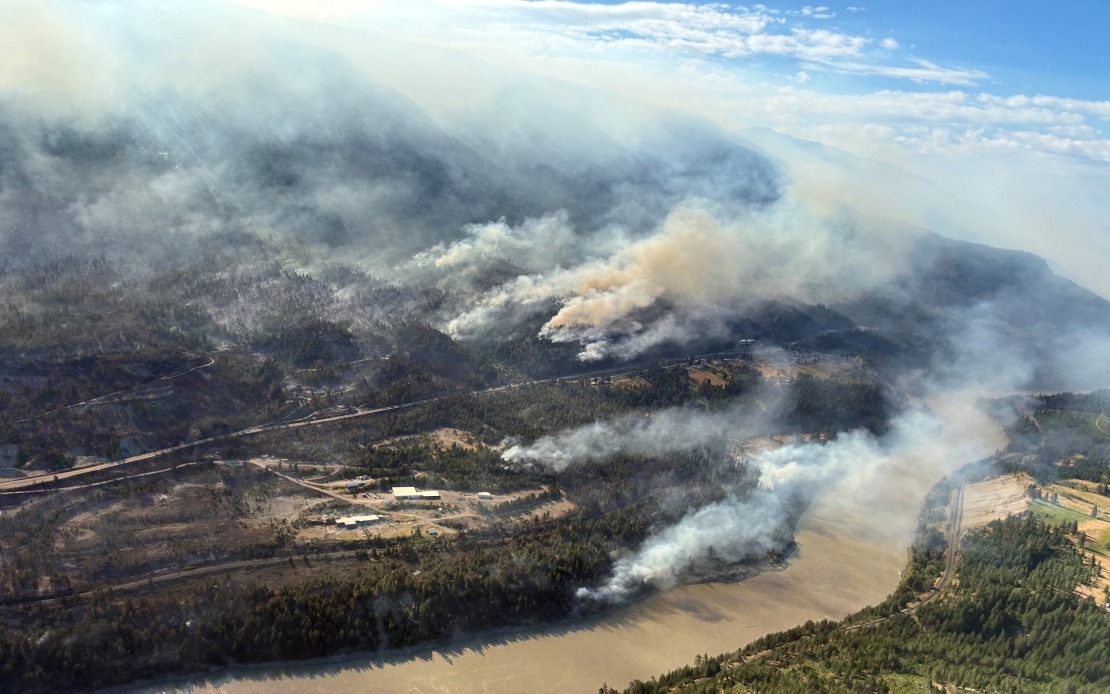
The doomed aircraft was actively engaged in suppression work on fire FS009-26 at the time of the accident, operating in the Marten Hills area within the Dehcho region. The particular blaze that the plane was battling had started naturally on June 23 and has proven particularly challenging for firefighting efforts, currently classified as out of control and spanning approximately 100 hectares. The loss of this aerial asset represents a significant blow to the territory's capacity to manage multiple simultaneous wildfires across its vast landscape.
Investigators from the Royal Canadian Mounted Police have been mobilized to examine the wreckage and conduct a thorough probe into the circumstances surrounding the crash. Working alongside the N.W.T. Environment and Climate Change Ministry, law enforcement officials are examining the wreckage site to determine what factors contributed to the aircraft's failure and to document the status of the three individuals aboard. Such investigations typically examine weather conditions, mechanical issues, pilot experience, and operational procedures that may have played a role.
The timing of this accident is particularly concerning given the scale of the wildfire crisis currently facing the Northwest Territories. As of June 25, the territory was grappling with 28 active wildfires that have collectively affected close to 91,400 acres of land. The firefighting situation remains severely strained, with 19 of these fires classified as out of control, representing an alarming trend for the region's summer season. Only four fires are being held at their current boundaries, five are under control, and eight have been extinguished, leaving the majority of active incidents still posing threats to communities and the environment.
The Northwest Territories faces unique challenges in wildfire management due to its remote geography, sparse population distribution, and limited ground-based infrastructure. Aerial platforms like the Cessna O-1, a military-derived aircraft known for its reliability and maneuverability in difficult terrain, play an outsized role in initial attack and suppression efforts where ground crews cannot quickly access fire locations. The loss of this particular asset could exacerbate existing resource constraints during what appears to be shaping into a severe fire season.
The Cessna O-1 "Bird Dog" has long been a staple of aerial wildfire operations across North America, prized for its ability to operate from unprepared landing strips and its effectiveness in dropping fire retardant and water. The aircraft's proven track record in challenging environments made it a valuable component of the territorial fire service's operational capabilities. Its loss will likely necessitate urgent arrangements to source replacement aerial resources from other provinces or private contractors to maintain suppression capacity.
For Malaysian and Southeast Asian observers, this incident underscores the severe risks inherent in aviation-based wildfire management, a practice that several nations in the region have increasingly adopted as forest fire seasons have intensified. Countries such as Indonesia and Malaysia have relied heavily on helicopter and fixed-wing aircraft for wildfire suppression, particularly during transboundary haze events. The fatality of trained professionals engaged in this hazardous work serves as a sobering reminder of the dangers that pilots and crew members face when operating in challenging weather conditions over remote terrain while attempting to suppress uncontrolled fires.
Climate change has contributed to longer and more intense fire seasons across Canada and increasingly across global fire-prone regions. The Northwest Territories, once characterized by relatively limited wildfire activity, has experienced a dramatic shift in recent years with larger fires burning for extended periods. This trend has placed unprecedented demands on territorial firefighting services and has elevated the risks for personnel working in both aerial and ground-based roles.
The investigation into this crash will likely provide valuable insights into aviation safety during wildfire operations. Findings may influence operational protocols, aircraft selection, crew training requirements, and decision-making processes regarding when conditions become too severe for aerial operations to continue safely. The three fatalities represent not only a tragic loss of life but also experienced professionals whose expertise in aerial wildfire suppression cannot be quickly replaced.
In the immediate aftermath, the Northwest Territories will need to reassess its wildfire response strategy and resource allocation. With the fire season still in its early stages and nearly 20 fires remaining out of control, territorial officials face difficult decisions about deploying remaining aerial resources while managing safety risks. The incident serves as a stark reminder that while technology and equipment are essential for modern wildfire management, they come with inherent dangers that demand constant vigilance, proper training, and honest assessment of operational limits.

