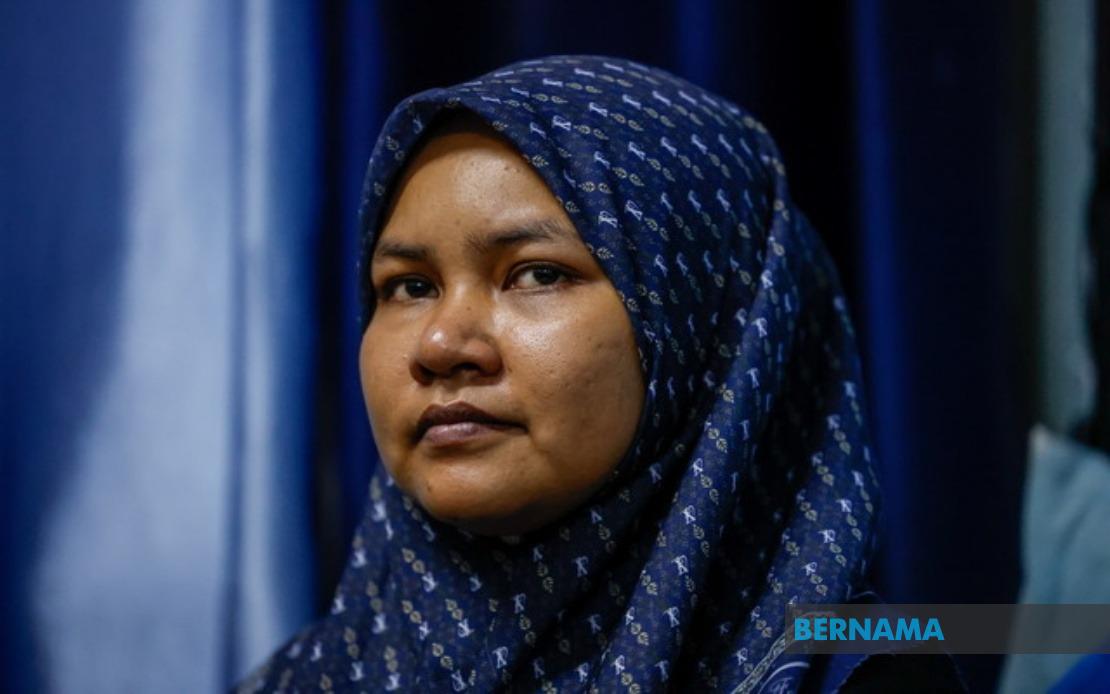
The widow of 33-year-old delivery rider Amirul Hafiz Omar intends to initiate civil proceedings seeking RM1 million in damages against the driver involved in the fatal collision on Jalan Raya Barat in Klang last March. According to legal counsel representing the bereaved family, the formal filing of a writ of summons and statement of claim is anticipated during August, contingent upon administrative requirements being fulfilled through the courts.
Attorney Nur Iffah Hizwani Omar explained that while comprehensive legal documentation has already been drafted on behalf of Nor Nadia Abdul Majid, the 32-year-old widow, the actual submission cannot proceed without an official Letter of Administration. This administrative clearance, essential for establishing the widow's legal authority to pursue claims on behalf of her late husband's estate, is scheduled for judicial determination at the Kuala Lumpur High Court on July 28.
A critical component delaying the civil claim's progression involves securing supplementary income records from the e-hailing platform through which Amirul Hafiz derived additional earnings. These financial documents are indispensable for calculating the precise quantum of damages to be claimed, as they demonstrate the full extent of household income that ceased upon his death. Without this comprehensive financial picture, the legal team cannot accurately quantify the family's economic losses and present a properly substantiated claim before Shah Alam High Court.
According to his lawyer, the family has formally instructed the legal team to pursue a RM1 million claim. Should no unforeseen complications emerge during the administrative process, the necessary court filings will proceed as scheduled during the eighth month. This timeline, though measured, reflects the methodical nature of civil litigation in Malaysia, where procedural requirements must be meticulously observed before substantive claims can advance through the judicial system.
Nor Nadia conveyed the profound emotional toll of navigating widowhood and single parenthood following her husband's death. She observed that the initial months following the tragedy appeared almost surreal, as though her spouse had merely departed for another working day. Only as weeks accumulated into months did the full weight of loss begin to materialize, transforming into an increasingly unbearable emotional burden that intensified with each passing week.
The widow articulated how her children serve as constant reminders of her late husband's dedication and the routines he had established before his life was abruptly terminated. Amirul Hafiz had maintained a disciplined pattern of transporting their children to school each morning and collecting them at midday to share lunch together, demonstrating unwavering commitment through weather and circumstance. This paternal presence, which the children took for granted, has now devolved entirely upon Nor Nadia, adding practical household management responsibilities to her grief.
The incident that precipitated this civil litigation occurred on March 29 when Amirul Hafiz was struck by a vehicle on Jalan Raya Barat. The driver, R. Saktygaanapathy, aged 28, was subsequently charged under Section 302 of the Penal Code, which pertains to murder. The severity of this criminal charge underscores the gravity of the alleged circumstances surrounding the collision.
Criminal proceedings have since progressed through Malaysia's judicial system, with the case transferring to High Court jurisdiction due to the nature of the allegations. Saktygaanapathy later entered a not guilty plea on June 3 to a modified charge under Section 15(1)(a) of the Dangerous Drugs Act 1952, specifically concerning self-administration of tetrahydrocannabinol, commonly known as THC. This secondary charge suggests that impairment from drug consumption may have been a contributing factor in the fatal collision.
The trajectory of this case—encompassing both criminal and civil dimensions—reflects the multifaceted legal consequences that can emerge from traffic incidents involving substance abuse. While criminal authorities pursue charges related to the driver's alleged drug use and resulting conduct, the civil suit provides an avenue for the bereaved family to secure financial compensation for their losses. These parallel proceedings, though addressing different legal questions, both seek accountability through distinct mechanisms within Malaysia's legal framework.
For Malaysian readers, this case underscores the precarious circumstances confronting delivery workers reliant upon ride-sharing and e-commerce platforms, who operate continuously on public roads where they face exposure to impaired drivers. The push to pursue civil damages alongside criminal prosecution represents a growing awareness among bereaved families of the need to secure economic restitution, particularly when earning capacity is permanently severed. The RM1 million claim reflects not only the immediate financial impact of lost income but potentially broader economic losses encompassing household maintenance and childcare expenses that Nor Nadia must now shoulder independently.

