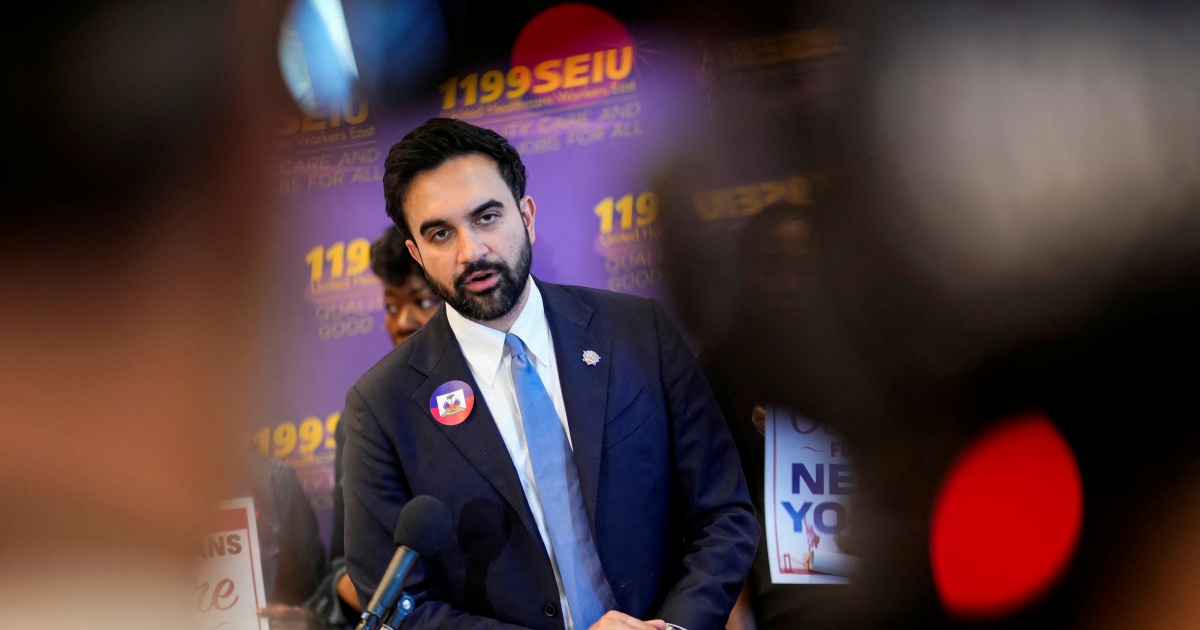
New York Mayor Zohran Mamdani has determined that he lacks the legal authority to arrest Israeli Prime Minister Benjamin Netanyahu should the Israeli leader visit New York, reversing an earlier suggestion that he was exploring such a possibility over alleged war crimes.
Mamdani's clarification represents a significant retreat from his initial positioning on the contentious issue of potential criminal accountability for Netanyahu. The mayor had previously indicated he was considering whether mechanisms existed to hold the Israeli prime minister accountable for conduct related to the ongoing conflict in Gaza. However, after examining the legal landscape more carefully, Mamdani recognised that municipal officials operating within the American constitutional and legal framework simply do not possess the authority to independently arrest foreign heads of state or government officials for alleged international crimes.
The mayor's conclusion reflects a deeper reality about how American law operates at the local, state, and federal levels. Municipal authorities, despite their significant powers within city boundaries, remain subordinate to both state and federal legal authority. Mayors cannot unilaterally decide to arrest visiting foreign dignitaries based on allegations of international humanitarian law violations, regardless of the moral or political arguments that might support such action. The structures of criminal justice in the United States are hierarchical, and questions involving foreign diplomats and international law fall within federal jurisdiction rather than city control.
For Malaysian observers, Mamdani's situation illuminates the tension between municipal activism and constitutional constraints that exists even in democratic systems. While New York's mayor enjoys considerable autonomy in managing city affairs—from policing to social programmes—his powers stop well short of executing independent foreign policy or conducting unilateral legal proceedings against international figures. This distinction between rhetorical commitment and institutional capacity represents a fundamental aspect of how democratic governments operate across multiple jurisdictional levels.
The issue also touches on the broader question of how nations handle visiting dignitaries accused of serious international crimes. The United States, despite being a signatory to various international conventions, is notably not a party to the International Criminal Court. This absence means that the ICC cannot exercise jurisdiction over American citizens or non-member states, creating gaps in global accountability mechanisms. Within the American system, federal authorities—primarily the Department of Justice and the FBI—would be the appropriate channels for investigating any alleged crimes, not local municipal officials.
Mamdani's reversal also underscores the political dimensions of prosecutorial discretion. Even if a mayor theoretically possessed legal authority, exercising it would create substantial diplomatic repercussions. Arresting a sitting prime minister would constitute an extraordinary act with potentially severe consequences for international relations. The federal government maintains exclusive authority over such decisions precisely because they carry implications that extend far beyond any single city's boundaries. Washington, not New York City Hall, negotiates the terms of such matters.
The incident reveals how public pressure and moral conviction, while politically significant, cannot override constitutional and legal frameworks. Mamdani's initial statements likely reflected genuine concern among his constituents about alleged humanitarian violations in Gaza. Yet good intentions do not create legal authority where none exists. This gap between popular sentiment and institutional capacity to act appears across many democracies, where citizens and elected officials feel compelled to respond to international crises but discover their formal powers are constrained.
For Southeast Asian readers, Mamdani's experience offers instructive lessons about municipal versus national authority in federalised systems. Malaysia itself operates as a federation where state authorities sometimes clash with federal power over jurisdictional boundaries. The principle that local governments cannot unilaterally conduct foreign relations or prosecute international cases applies similarly across democratic systems, regardless of their specific constitutional architecture.
The matter also highlights ongoing complexities surrounding immunity for sitting heads of state. Under international law, serving heads of government typically enjoy immunity from criminal prosecution, with limited exceptions for crimes against humanity or genocide. These immunities exist partly to prevent the destabilisation that would result from every nation attempting to prosecute foreign leaders they deem to have committed crimes. Whether such immunity rules serve justice remains deeply contested, particularly regarding allegations involving civilian casualties in armed conflicts.
Mamdani's conclusion, while representing a legal reality rather than a personal preference, reflects broader questions about accountability mechanisms in our current international system. As civilian harm in various conflicts draws international scrutiny, pressure grows for more robust accountability structures. However, these structures—whether the ICC, the UN, or national courts—require cooperation and jurisdictional clarity that single municipalities simply cannot provide unilaterally.
The New York mayor's reversal ultimately demonstrates that earnest political commitment to accountability must work through appropriate institutional channels rather than circumvent them. Advocating for changes to federal policy, supporting international justice mechanisms, or pushing for legislative reforms represent legitimate avenues through which elected officials can address concerns about alleged international crimes. Direct municipal action against foreign dignitaries, however morally motivated, cannot substitute for these proper institutional pathways.
Goingforward, Mamdani's experience may refocus attention on where genuine legal tools exist for pursuing accountability. Advocacy organisations, international bodies, and national governments possess different capacities to investigate, prosecute, and punish alleged violations. Understanding these distinctions proves essential for anyone serious about advancing justice, whether in Gaza, Ukraine, Myanmar, or any other contested region drawing international concern.

