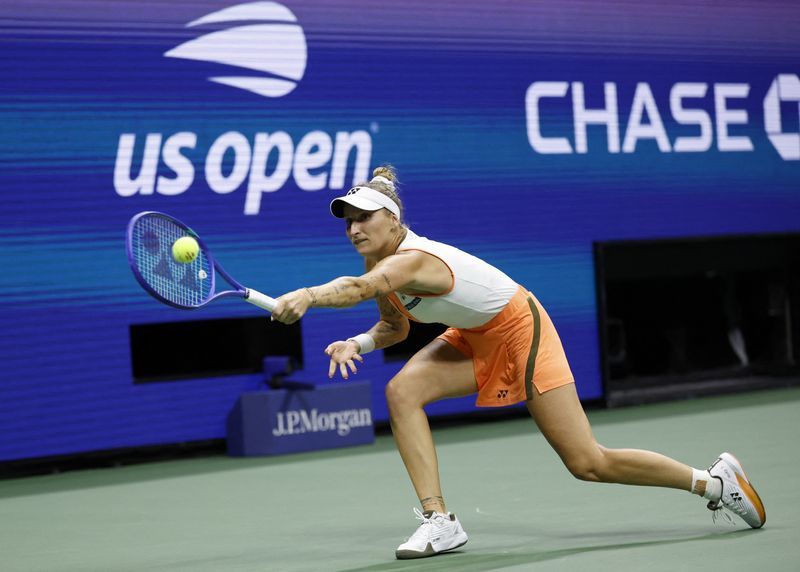
Former Wimbledon champion Marketa Vondrousova has escalated her fight against a four-year doping ban by appealing to the Court of Arbitration for Sport, the highest judicial authority in athletics. The Czech player's case centres on her refusal to submit to an out-of-competition doping test at her home in December, an incident that has cast a significant shadow over what was previously a career renaissance for the 27-year-old.
The International Tennis Integrity Agency imposed the suspension in June following the missed test, which occurred when a doping control officer arrived at Vondrousova's residence demanding an immediate sample. Her appeal represents a critical juncture not only for her personal career revival but also raises broader questions about the balance between athlete privacy rights and the anti-doping regime's operational procedures. The Court of Arbitration for Sport confirmed receipt of the appeal this week, though it has not yet scheduled a hearing date.
Vondrousova's suspension, if upheld in its current form, would sideline her until June 21, 2030, when she will reach the age of 30. By that point, the player would have spent nearly five years out of professional competition, potentially ending what might have been a peak earning and achievement period in her career. This timeline underscores the career-ending consequences that such bans can inflict on professional athletes, particularly those at the height of their competitive years.
The incident itself occurred on December 3, when a doping control officer arrived unannounced at her home at 8:15 p.m. demanding an immediate test. Vondrousova later explained that she had reached a breaking point after months of accumulated physical and mental strain, and the sudden intrusion at that hour felt like a serious violation of her personal space and privacy. Her response highlights tensions within the modern anti-doping system, where the quest for rigorous testing protocols can collide with athlete welfare and privacy considerations.
Crucially, Vondrousova has consistently maintained her innocence regarding any actual doping violations. Three days after the December incident, she submitted to a doping test, which returned completely negative. This clean result provides substantial ammunition for her legal challenge, as it demonstrates no banned substances were present in her system around the time of the disputed missed test. The negative result raises questions about what the missed test might have actually proven or prevented.
Vondrousova's career trajectory makes this ban particularly consequential for the broader tennis narrative. The Czech player won the 2023 Wimbledon championship, one of the sport's most prestigious titles, demonstrating she had returned to elite performance levels. Before that triumph, she had reached the French Open final in 2019 and claimed a silver medal at the Tokyo Olympics in 2021. Her career had been on a genuine upward trajectory until this controversy derailed everything.
Since the ban took effect, Vondrousova's competitive standing has deteriorated markedly. She has not competed since skipping the Adelaide International in January due to a shoulder injury, and her world ranking has plummeted from number six to number 153. This dramatic fall in ranking demonstrates how quickly competitive players lose their standing during extended absences, making the gap between potential reinstatement even more challenging to bridge.
For Malaysian and Southeast Asian sports enthusiasts, the Vondrousova case carries implications beyond tennis. It touches on how international sports bodies balance enforcement rigour with individual rights protection, and how appeals mechanisms function at the highest levels. The Court of Arbitration for Sport's eventual decision will likely influence how players across the region view their obligations under anti-doping regimes and their recourse options.
The psychological and professional stakes of this appeal cannot be understated. Even if Vondrousova ultimately succeeds in overturning or significantly reducing her ban, the damage to her career momentum and ranking trajectory will require years to rebuild. The suspension has effectively frozen her at a point when she should have been consolidating a position among tennis's elite players, compounding the direct punishment with indirect career consequences.
As the CAS hearing process unfolds, observers will watch closely whether the court prioritises the strict enforcement of testing protocols or whether it considers the specific circumstances surrounding Vondrousova's refusal. The decision will establish precedent for how the sport's governing bodies address cases where procedural compliance intersects with athlete rights and mental health considerations.
Vondrousova's challenge also reflects broader conversations happening across professional sports regarding athlete autonomy, testing procedures, and the human cost of anti-doping enforcement. While maintaining integrity through rigorous testing remains essential, how that enforcement occurs and how exceptions or extenuating circumstances are evaluated will influence the sport's reputation and its relationship with its players.

