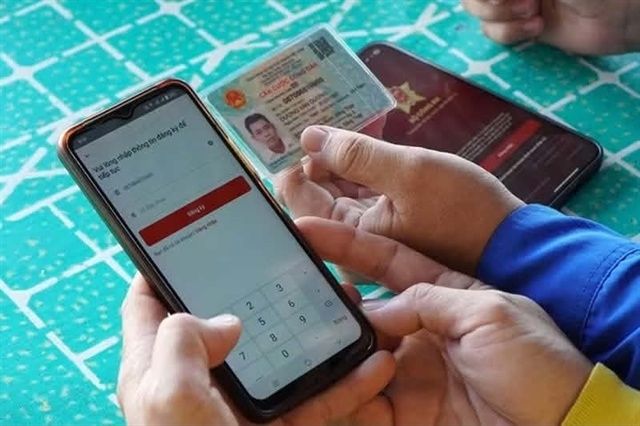
Vietnam has moved to broaden access to its electronic identification system by extending eligibility to foreign nationals who are lawfully present in the country, according to a Government decree released through the Vietnam News Agency. The initiative represents a significant step toward digital inclusion for the estimated 500,000 expatriates living and working across Vietnam, ranging from business professionals and teachers to skilled workers and investors. Previously, e-ID accounts were largely confined to Vietnamese citizens, creating practical barriers for foreign residents seeking seamless engagement with digital government services and private sector transactions.
The decree fundamentally reshapes how Vietnam's digital identity ecosystem accommodates non-citizens. Foreign nationals may now apply for electronic identification accounts at any access level they require, removing previous administrative restrictions that complicated their participation in online banking, government registrations, and business activities. This aligns with Vietnam's broader digital transformation objectives and reflects competitive pressures from regional neighbours like Singapore and Thailand, which have already extended digital services to their foreign resident populations. The move also signals recognition that Vietnam's growing international business community needs frictionless access to digital infrastructure to remain competitive in attracting talent and investment.
The regulatory framework distinguishes between different categories of beneficiaries based on age and residency status. Vietnamese citizens aged six and older holding valid citizen or identity cards can now obtain either Level 1 or Level 2 electronic identification accounts on request, whereas younger citizens holding identity cards are limited to Level 1 access. This tiered approach ensures security proportionate to user profiles while gradually introducing digital literacy among younger populations. The system's layered design reflects international best practices in identity management, where higher security levels typically require additional authentication and are suited for sensitive transactions involving financial or legal commitments.
An equally significant aspect of the decree addresses administrative redundancy through data integration principles. The government has amended provisions requiring that individuals and organisations no longer submit duplicate documents when relevant information has already been consolidated within the system. This reduction in bureaucratic friction directly improves user experience and reduces processing times, particularly important for time-sensitive visa applications or business registration processes. Such efficiency gains compound across Vietnam's growing digital economy, where delays in identity verification can cascade into supply chain disruptions or missed investment opportunities.
Private and state enterprises operating in Vietnam also gain expanded e-ID access under the new framework. Agencies and organisations formally established or registered for operation in the country may now obtain electronic identification accounts at any tier, enabling institutional participation in digital government-to-business and business-to-business transactions. This institutional dimension extends beyond individual convenience to reshape how Vietnamese commerce and administration function at scale. Companies can now streamline compliance processes, from tax filings to regulatory submissions, through integrated digital channels rather than in-person or paper-based procedures.
The decree introduces a comprehensive consolidation list integrating 206 different document types into Vietnam's national identification application. For individual users, 66 document categories are now digitally accessible, including birth certificates, residence permits, passports, visas, vehicle registration records, driving licences, and investment credentials. This breadth of documentation reflects the diverse lifecycle transactions Vietnamese residents encounter, from childhood registration through education, employment, property ownership, and business establishment. By centralising these documents within a single verified digital repository, the government reduces fraud risk while simultaneously eliminating the physical storage burden on citizens.
Organisational documentation similarly undergoes comprehensive digitalisation through 140 document categories. These include seal specimen registrations, business entity identification certificates, operational licences, and import-export credentials. Such institutional documents form the backbone of regulatory compliance across Vietnam's manufacturing, logistics, retail, and services sectors. Digitalisation enables real-time verification by commercial partners, government inspectors, and financial institutions, substantially reducing cycles for contract negotiation, financing approval, and regulatory clearance. For multinational corporations operating regional supply chains through Vietnam, this interoperability enhancement reduces friction costs that previously required parallel physical and digital verification systems.
The implementation timeline positions full operational launch for 28 September 2026, allowing Vietnam's technology infrastructure and government agencies approximately 18 months to build supporting systems, staff training, and public outreach. This extended rollout period suggests the government recognises the technical complexity involved in integrating 206 document categories across multiple agencies and ensuring cybersecurity standards protecting sensitive personal and commercial data. Regional observers will monitor whether Vietnam's implementation proves more efficient than comparable initiatives in Thailand and Cambodia, where similar digital identity expansions have encountered integration delays and inconsistent rollout across provincial bureaucracies.
For Malaysian business professionals, expat communities, and investors active in Vietnam, the decree removes significant friction from residence and employment documentation. Many Malaysian firms operate manufacturing facilities or logistics hubs in Vietnamese industrial zones, and their personnel currently navigate complex manual verification processes. Digital e-ID access streamlines employee registration, reduces administrative overhead, and enables faster internal workforce mobility across Vietnamese operations. Similarly, Malaysian investors evaluating new market entry will encounter a substantially more efficient regulatory environment for business registration and compliance monitoring.
The expansion reflects Vietnam's deliberate positioning within Southeast Asia's digital economy competition. As Thailand advances its digital wallet initiatives and Singapore extends institutional blockchain-based identity systems, Vietnam's decree signals commitment to technological modernisation and institutional credibility among international talent and capital flows. For Malaysia's perspective, Vietnam's moves underscore competitive pressure to enhance our own digital identity infrastructure. Malaysian policymakers monitoring regional trends will note that Vietnam's tiered approach to foreign national inclusion balances security imperatives with growth objectives, a tension increasingly defining Southeast Asian digital governance frameworks.
Beyond administrative convenience, the decree carries implications for Vietnam's ability to enforce tax compliance, labour standards, and regulatory oversight across its expanding international resident population. Consolidated digital identity accounts enable coordinated monitoring across government agencies, potentially strengthening enforcement of employment regulations, tax residency determinations, and property transaction documentation. This institutional benefit particularly matters as Vietnam seeks to formalise economic activities traditionally operating through informal networks, a challenge shared across Southeast Asia's rapidly urbanising economies.

