A coordinated emergency response has been initiated across Phu Quoc following a speedboat accident on July 11 that claimed lives and left numerous passengers injured, with Indian nationals among the victims. The Phu Quoc Special Zone administration, working alongside multiple government and medical agencies, has deployed comprehensive search-and-rescue operations and established medical assistance networks to address the incident's immediate and longer-term consequences. This response illustrates the interconnected nature of regional tourism and the complex humanitarian challenges that arise when maritime accidents occur in popular travel destinations serving visitors from across Asia.
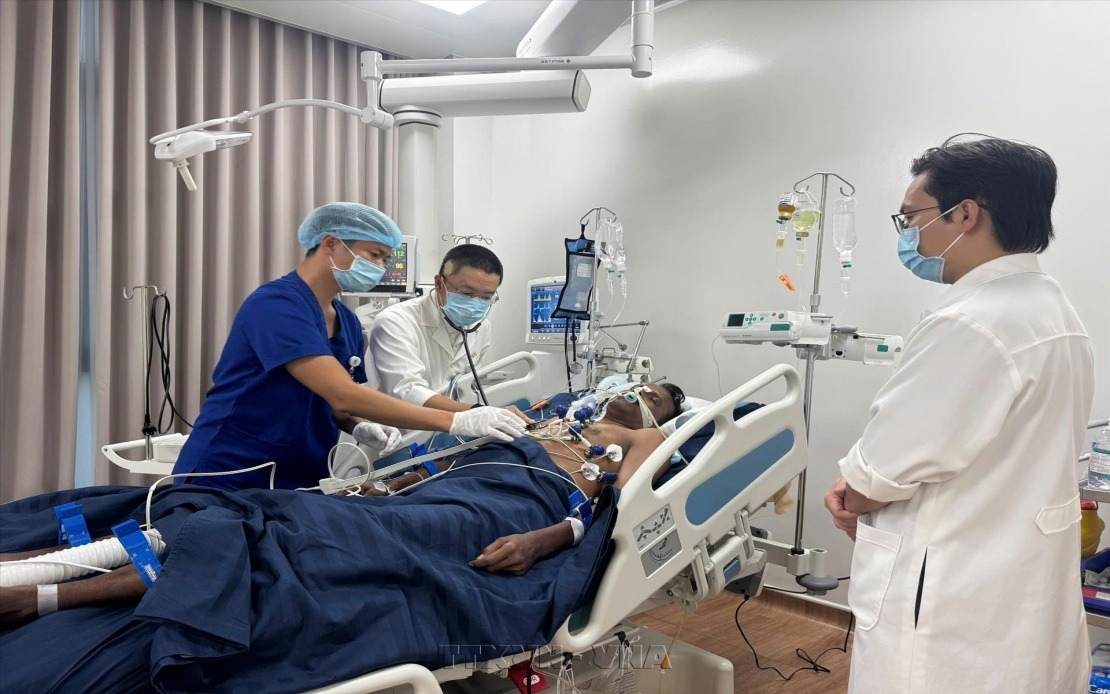
Sun Group International Hospital, the primary medical facility handling the emergency, declared a hospital-wide code red alert immediately upon notification of the accident. This triggered a rapid deployment of ambulances and specialised medical teams to the scene, while the entire hospital staff was mobilised to support rescue efforts. The speed of activation proved critical, as medical professionals initiated intensive resuscitation procedures that would determine outcomes for the most severely affected passengers.
Two patients who had suffered critical injuries underwent approximately two hours of continuous resuscitation at the facility. Following this intensive intervention, both individuals achieved medical stabilisation and were transferred to the intensive care unit. Significantly, both patients subsequently regained consciousness and have since maintained stable vital signs, representing successful outcomes given the severity of their initial conditions. This achievement demonstrates the importance of rapid medical intervention and the availability of advanced healthcare infrastructure in tourist-accessible areas.
By the evening of July 11, the hospital had received 15 additional victims, all of whom remained conscious upon admission. These patients underwent comprehensive medical evaluations including trauma screening and initial treatment protocols designed to support their recovery trajectories. The volume of admissions required coordinated triage and resource allocation across the hospital's departments, reflecting the substantial organisational capacity required to manage mass casualty incidents in the healthcare setting.
Two patients hospitalised required particularly intensive monitoring due to severe respiratory failure complications. One has since recovered sufficiently to approach discharge, pending final medical clearance. The second patient remains hospitalised as underlying medical conditions complicate their treatment pathway. Rather than managing this case solely within Phu Quoc, Sun Group International Hospital has established a coordination arrangement with Cho Ray Hospital in Ho Chi Minh City to ensure access to the most advanced intensive care resources available in Vietnam. Medical professionals expect this patient's condition will improve under the collaborative treatment regime.
Dr. Nguyen Quang Thang, Director of Sun Group International Hospital, has provided regular updates on patient status, emphasising the hospital's commitment to comprehensive care and its willingness to engage specialist facilities when circumstances demand. The integration of resources across provincial healthcare boundaries represents sound crisis management, ensuring that patient welfare takes precedence over institutional boundaries or jurisdictional limitations.
Beyond immediate medical intervention, local authorities have moved rapidly to establish financial assistance programmes for victims and bereaved families. The vessel operator has committed to providing financial compensation totalling 1,000 USD to each family that has suffered a fatality, and 500 USD to each passenger who sustained injuries. This initial commitment establishes a baseline of private-sector responsibility, acknowledging the commercial operator's role in the incident.
The Phu Quoc Special Zone administration has supplemented private compensation with public funding mechanisms. Local government will provide 26 million Vietnamese Dong, equivalent to approximately 1,000 USD, for each confirmed fatality. This dual-source approach reflects the principle that both commercial operators and state authorities share responsibility for supporting victims when such incidents occur. The provision of equivalent compensation from public funds ensures that families receive meaningful financial support regardless of any potential disputes with vessel operators or insurance processes.
Tran Minh Khoa, Chairman of the People's Committee of the Phu Quoc Special Zone, has positioned victim support as the administration's priority focus. Beyond immediate financial assistance, authorities are addressing the complex legal and administrative dimensions inherent in cross-border incidents involving international casualties. Vietnamese authorities are coordinating with diplomatic channels and relevant consular representatives to manage the repatriation process for victims in accordance with legal protocols and international agreements.
The local administration is expediting multiple parallel processes simultaneously. Civil registration procedures, investigation protocols, and other legal formalities are being conducted according to Vietnamese legal frameworks, while diplomatic authorities work to facilitate the prompt return of deceased victims to their home country. This coordination between investigative, administrative, and diplomatic functions reflects the comprehensive nature of official response required when international dimensions are present.
For Southeast Asian nations like Malaysia, this incident carries several implications. Tourism regional authorities frequently handle incidents affecting visitors from partner nations, requiring rapid diplomatic coordination and culturally sensitive victim support mechanisms. The Phu Quoc response demonstrates how neighbouring countries can organise effective emergency protocols when maritime tourism brings regional visitors into contact with hazardous conditions. Vietnamese authorities' emphasis on financial support and rapid repatriation reflects international standards that Malaysian officials might reference when establishing their own crisis response templates.
The speedboat accident also underscores the vulnerability inherent in maritime tourism across Southeast Asia's coastal regions. Phu Quoc's growth as a major destination has created pressures on local infrastructure and safety enforcement. The rapid expansion of speedboat services serving multiple nationalities raises questions about vessel maintenance standards, operator qualifications, and passenger safety protocols that merit attention across the region's tourism sector.
As investigations proceed, the incident will likely generate detailed findings regarding causation, safety compliance, and preventive measures. These findings will inform not only Vietnam's maritime safety framework but potentially influence how regional tourism operators across Southeast Asia approach speedboat operations. Malaysian tourism authorities and maritime regulators may derive valuable lessons from Vietnam's post-incident investigation and any regulatory adjustments that follow, enhancing safety standards across shared travel corridors.

