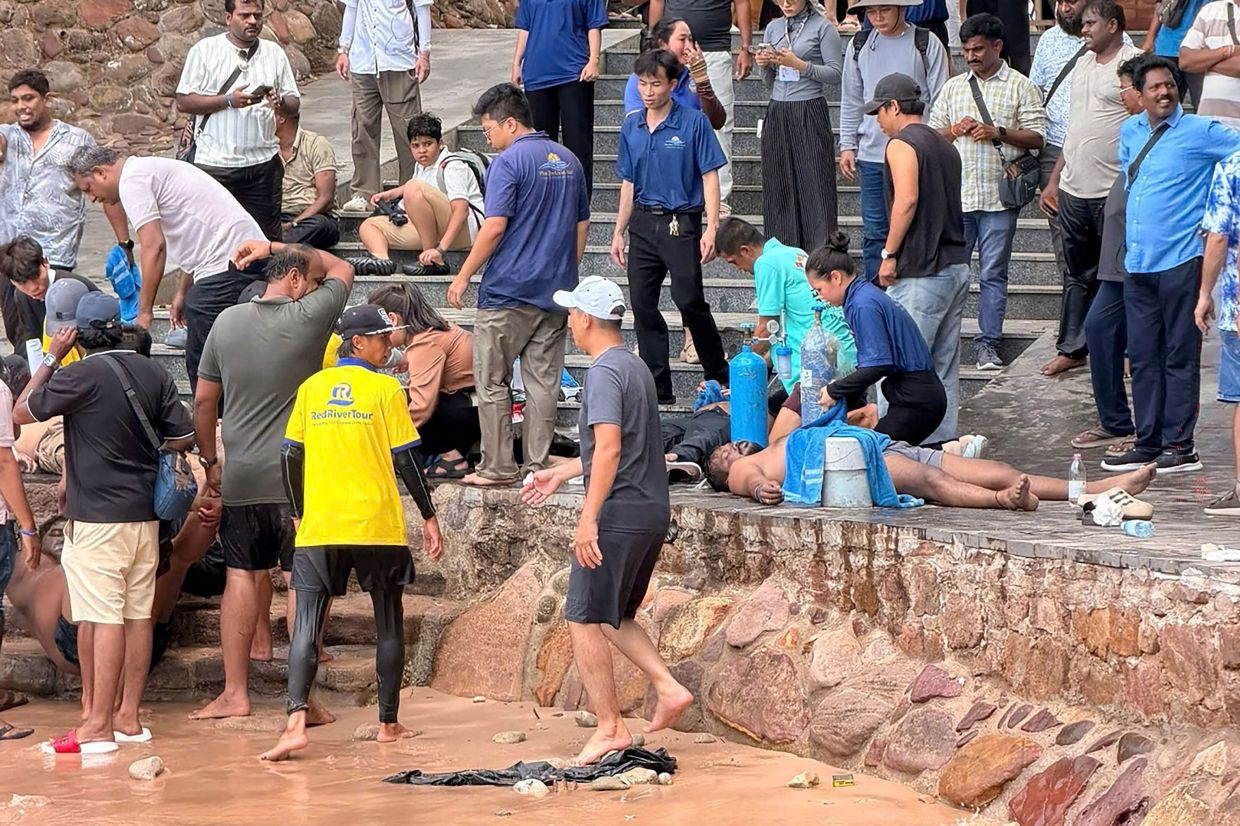
Vietnam's government has responded swiftly to a maritime tragedy that claimed the lives of 15 Indian nationals when a speedboat capsized near Phu Quoc Island on July 11. Prime Minister Phạm Minh Chính issued an official directive calling for immediate intervention across multiple government agencies and local authorities, signalling the seriousness with which Hanoi is treating the incident and the need to prevent similar occurrences in the future.
The ill-fated vessel was carrying 32 Indian tourists alongside four crew members and local guides when it overturned near Hon May Rut Ngoai within the Phu Quoc Special Zone. Among the deceased were 13 men and two women, while emergency responders successfully rescued 21 people from the waters. The rapid response from rescue teams appears to have prevented an even greater loss of life, though the tragedy has raised questions about safety standards for tourist operations in one of Vietnam's premier island destinations.
In his official dispatch, the Prime Minister extended condolences to the bereaved families and stressed the immediate need to marshal all available medical infrastructure and pharmaceutical supplies to treat the survivors. The directive reflects both humanitarian concern and the broader diplomatic implications of the accident, given the involvement of Indian citizens and the importance of Vietnam's relationship with India as a strategic partner in Southeast Asia.
The provincial authorities in An Giang, which administers the Phu Quoc Special Zone, received orders to coordinate with relevant agencies and security forces in conducting a comprehensive assessment of what caused the accident. This investigation will examine not only the immediate circumstances of the capsizing but also whether there were underlying systemic failures or negligence that contributed to the incident. The findings will be crucial in determining accountability and preventing recurrence.
Vietnam's Ministry of Public Security has been tasked with leading a criminal investigation to establish the precise cause of the accident and to identify any individuals or organizations whose actions or inaction violated applicable laws. This reflects a recognition that maritime accidents often involve questions of regulatory compliance, operator competence, vessel maintenance, or adherence to safety protocols. Strict enforcement actions are being promised against those found culpable.
Beyond the immediate investigation, the Ministry of Construction has been assigned to conduct a broader safety audit of maritime and inland waterway operations throughout the region where the accident occurred and in other areas facing similar conditions. This systematic review suggests that Vietnamese authorities are considering whether the accident reveals gaps in oversight or enforcement of safety standards across Phu Quoc's tourism sector more generally. Such audits can be instrumental in identifying systemic vulnerabilities before they lead to additional tragedies.
The diplomatic dimension of the crisis has not been overlooked. The Ministry of Foreign Affairs was explicitly directed to maintain close coordination with the Indian Embassy in Vietnam, ensuring that consular assistance, citizen protection measures, and broader victim support are handled with appropriate sensitivity and efficiency. This coordination is particularly important given that Indian tourists represent a significant component of Vietnam's growing tourism market, especially to premium destinations like Phu Quoc.
The Indian Embassy moved quickly to establish its own response mechanisms, releasing an official roster of the 32 citizens aboard the vessel and opening two support centres in Ho Chi Minh City and Hanoi to assist affected families and survivors. This bilateral coordination demonstrates how both governments are prioritizing the welfare of the victims and their families during a period of acute distress. The availability of dedicated contact points underscores the commitment to transparent communication and practical assistance.
The Phu Quoc incident arrives amid broader questions about safety standards in Southeast Asia's booming tourism sector. As regional economies have become increasingly reliant on tourism revenue, the pressure to expand capacity and cut costs has sometimes outpaced investment in safety infrastructure and training. For Malaysia and other Southeast Asian nations competing for international tourists, the accident serves as a cautionary reminder that operational lapses and inadequate oversight can rapidly damage a destination's reputation and tourism prospects.
The speedboat was transporting Indian nationals who were clearly attracted to Phu Quoc by its reputation as a world-class beach destination and emerging resort island. Vietnam has invested heavily in developing the island's tourism infrastructure, making it a cornerstone of the country's broader tourism strategy. A tragedy of this magnitude, particularly one that generates international media attention and bereaved families seeking accountability, can significantly affect tourist confidence and booking patterns in the months ahead.
For Malaysian observers, the incident underscores the importance of maintaining rigorous safety standards even during periods of rapid tourism growth. Malaysia's own island destinations and water-based attractions similarly depend on maintaining exemplary safety records to sustain international visitor flows. The Vietnamese government's swift and comprehensive response suggests an understanding that transparency, rapid investigation, and visible corrective action are essential to preserving visitor confidence.
The investigation into what went wrong aboard the speedboat will take weeks or months to complete fully. What emerges from this process—whether the accident resulted from operator error, mechanical failure, adverse weather conditions, regulatory violations, or systemic oversight failures—will carry implications well beyond Vietnam. For the Indian families who lost loved ones, and for the tourism industry across Southeast Asia, the thoroughness and integrity of Vietnam's investigation will matter greatly.

