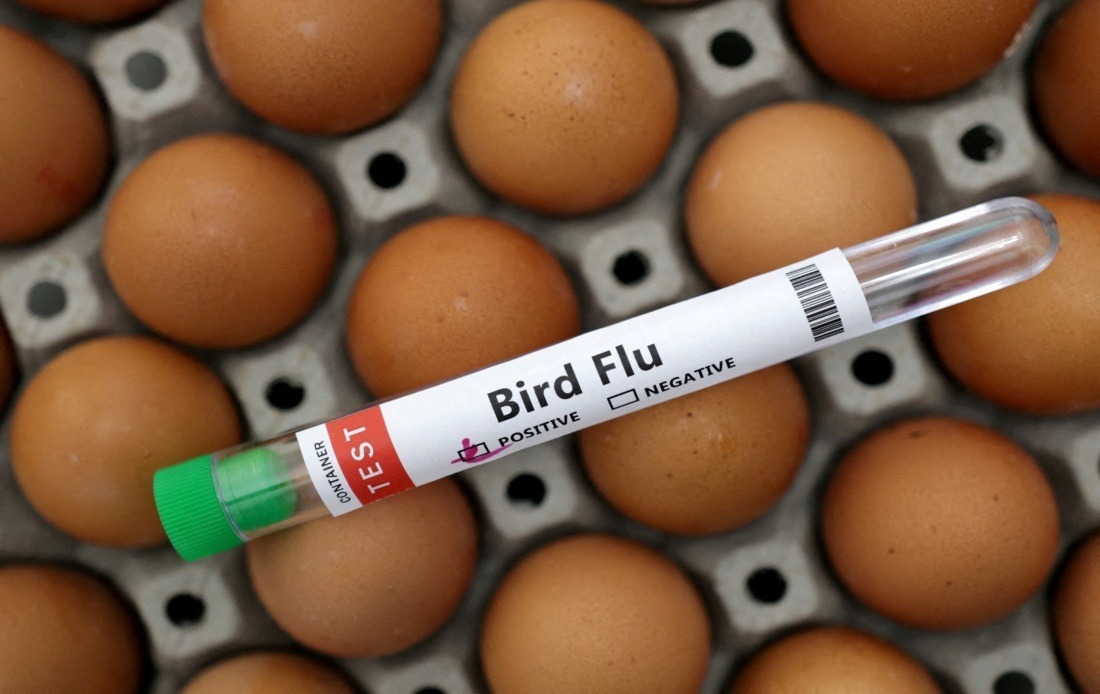
Victoria has become the first Australian jurisdiction to enforce mandatory indoor housing for poultry, a significant escalation in biosecurity measures as H5N1 avian influenza continues to spread across the state. The directive, which takes immediate effect, represents a shift from voluntary guidelines to compulsory restrictions aimed at shielding domestic flocks from contact with potentially infected wildlife.
The mandatory housing order, announced through local media, will apply to all commercial and private poultry operations maintaining more than 50 birds. Initially set for a 14-day period, the measure expands upon voluntary guidance previously issued to producers. Agriculture Minister Michaela Settle characterised the action as a defensive, precautionary strategy designed to create a barrier between farm birds and wild populations that may harbour the virus.
The escalation follows confirmed detections in new localities across Victoria. Graeme Cook, the state's Chief Veterinary Officer, indicated that findings in Yambuk, Apollo Bay, and Clyde had triggered the need for stronger intervention as the virus established presence in previously unaffected areas. This geographical dispersal has alarmed authorities who fear continued spread could eventually reach major agricultural production zones.
On Friday, Australian Chief Veterinary Officer Beth Cookson reported confirmation of an additional 20 positive cases, all identified in greater crested terns concentrated around the Portland and Nelson coastal region. The focus on wild bird populations suggests the virus is circulating primarily through native fauna rather than domestic livestock, a pattern consistent with initial H5N1 outbreak dynamics in Australian waters.
The cumulative tally has reached 175 confirmed or presumed positive H5 detections based on laboratory-tested samples across Australia. Despite this rising count, authorities have emphasised a critical distinction: no infections have been detected within Victoria's poultry farming sector or broader agricultural production systems. This separation between wild bird contamination and commercial operations has provided some reassurance to the farming community, though the mandatory housing order signals confidence cannot be maintained indefinitely without intervention.
The risk posed to human populations has been consistently rated as very low by health officials. Australia's geographic isolation and established surveillance infrastructure have combined to provide early detection of cases before any potential transmission to people could occur. Nevertheless, the decision to implement Victoria's first mandatory containment measure reflects heightened caution as the virus consolidates its presence in the country.
The regulatory response has already prompted cultural consequences beyond the farming sector. The Royal Adelaide Show, a major annual agricultural and community event, has cancelled all scheduled bird and poultry exhibitions planned for the coming month. This decision reflects broader concerns about concentrating birds from diverse origins in a single venue, where disease transmission could accelerate rapidly regardless of biosecurity precautions already in place.
For Malaysian stakeholders, Victoria's experience offers instructive lessons about disease containment strategy escalation. Southeast Asia's poultry industry, substantially larger and more densely integrated than Australia's, faces considerably greater challenges should H5N1 establish sustained circulation in the region. The absence of agricultural quarantine infrastructure comparable to Australia's means disease spread would likely move faster and reach human populations more readily in Malaysia and neighbouring countries.
Victoria's transition from voluntary to mandatory measures demonstrates the point at which authorities perceive voluntary compliance as insufficient containment. The 50-bird threshold distinguishes between hobbyist keepers and commercial operations, suggesting regulators believe larger-scale producers have both the resources and responsibility to comply with stricter conditions. This targeting approach balances public health objectives against economic disruption, a calculation that becomes increasingly difficult as case numbers climb.
The confining of birds indoors creates novel challenges for producers accustomed to outdoor grazing systems. Feed supply chains, waste disposal, ventilation requirements, and worker access protocols all require rapid adjustment. Victoria's 14-day timeline provides limited opportunity for infrastructure modification, placing immediate operational pressure on affected properties and creating potential compliance challenges for smaller operators unprepared for such transition.
Australia's experience with H5N1 containment will likely influence policy responses across the Indo-Pacific region as the virus continues circulating in wild bird populations. The country's decision to implement mandatory housing before significant poultry sector infection occurs represents a preventative philosophy rather than reactive crisis management. For Malaysia, where agricultural density and proximity to international trade routes create different risk profiles, comparable early interventions might prove essential to preventing the scenario that Victoria currently works to avert.

