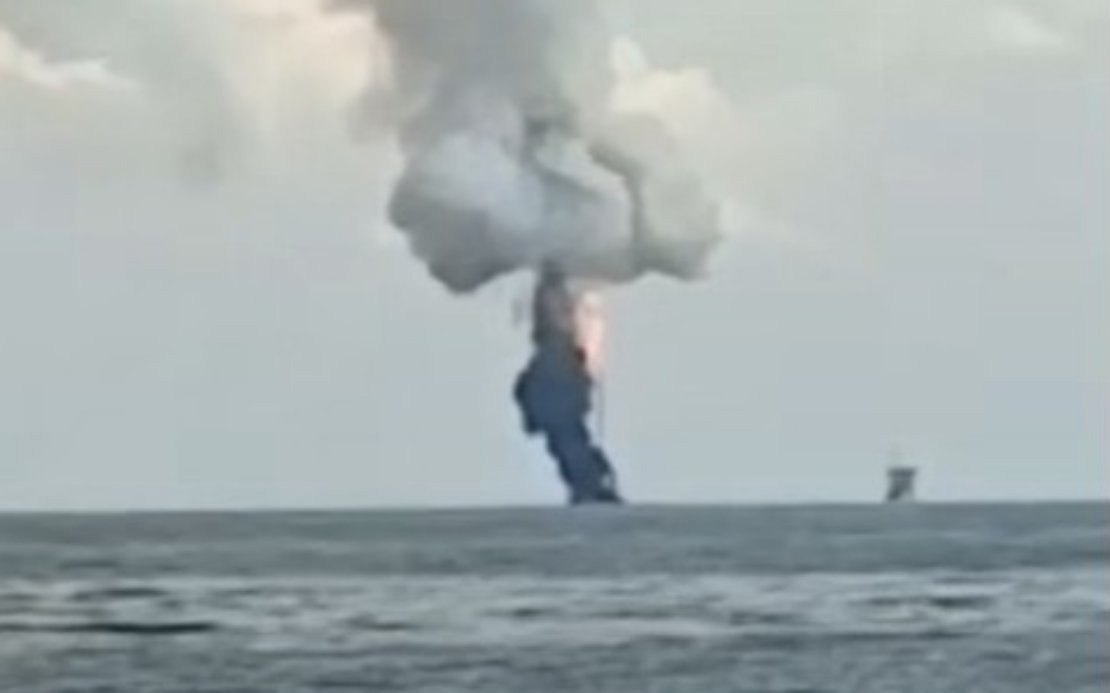
Petronas Carigali's subsidiary Vestigo Petroleum Sdn. Bhd. has officially acknowledged a fire that broke out at its West Lutong Vent A (WLV-A) facility in offshore Sarawak waters at approximately 2 pm on June 28. The company issued a statement on June 29 confirming the incident and detailing the immediate response measures that have been implemented to manage the situation. According to Vestigo's account, the fire has since been brought under control, though investigators are continuing to determine what triggered the emergency.
The incident gained widespread public attention after video footage of the fire circulated across social media platforms, prompting the company to issue a formal clarification regarding the scope and severity of the event. Vestigo's swift acknowledgement reflects the heightened scrutiny that major industrial incidents in Malaysian waters face in an age of instant digital communication, where unverified reports can spread rapidly without context or official information. By issuing a prompt statement, the company sought to shape the narrative around the fire and reassure stakeholders about operational safety protocols.
Vestigo emphasised that no personnel were injured in the fire and that all staff members remain unharmed following the incident. The company stated that the emergency posed no immediate danger to the local communities situated along the Sarawak coast or to the broader marine environment. This claim carries particular significance given Sarawak's strategic importance as a major petroleum-producing state in Malaysia and the sensitivity surrounding environmental protection in the region, where coastal communities depend heavily on marine resources and tourism.
The operator is now engaged in a comprehensive investigation into the root causes of the fire. Such investigations typically examine equipment failure, human error, maintenance schedules, weather conditions, and operational procedures to identify whether systemic issues contributed to the incident. The findings will be crucial for determining whether additional safety measures or regulatory changes are warranted across similar facilities operated by Petronas entities and other oil and gas producers in Malaysian waters.
Vestigo has mobilised its crisis management apparatus, collaborating closely with relevant governmental authorities and regulatory bodies overseeing offshore petroleum operations. These partnerships ensure that the investigation adheres to Malaysian regulatory standards and that all findings are properly documented and shared with stakeholders. The involvement of multiple agencies underscores the complexity of managing industrial incidents in the maritime domain, where jurisdiction, environmental concerns, and national interests intersect.
The company has implemented precautionary measures designed to mitigate potential exposure risks stemming from the fire and its aftermath. These measures likely include enhanced monitoring of the facility, containment protocols to prevent any potential environmental contamination, and support systems for affected workers. The emphasis on risk management reflects corporate awareness of both legal obligations and reputational considerations in an industry where environmental incidents can trigger significant economic and political consequences.
Vestigo reiterated its commitment to maintaining rigorous safety standards across all operations and protecting the wellbeing of its workforce. This assurance addresses concerns that might arise among employees and their families regarding workplace safety protocols, as well as broader public apprehension about the risks inherent in offshore oil and gas extraction. For companies operating in Malaysia's petroleum sector, demonstrating unwavering dedication to safety is essential for maintaining operating licences and stakeholder confidence.
The incident highlights the ongoing vulnerabilities of offshore petroleum infrastructure, despite advanced engineering and safety systems. West Lutong Vent A represents one of numerous extraction facilities scattered across Malaysian waters, and fires at such installations, while managed successfully in this instance, underscore the hazardous nature of deepwater operations. The global energy transition and increasing scrutiny of fossil fuel extraction make operational excellence increasingly important for justifying continued investment in petroleum projects.
For Malaysia, which relies substantially on petroleum revenues and export earnings, maintaining a strong safety record across all major extraction facilities remains critical for investor confidence and international standing. The rapid containment of this fire, coupled with transparent communication from Vestigo, demonstrates the maturity of Malaysia's oil and gas industry in crisis response, though it also raises questions about whether existing safety frameworks are adequately calibrated for emerging risks and whether regulatory oversight keeps pace with operational complexity.
The broader significance of this incident extends to how Malaysian authorities and corporations manage industrial emergencies in an era of real-time information dissemination. The rapid circulation of video evidence created pressure for immediate official responses and highlighted the importance of companies having well-developed communication strategies that address public concerns while investigations proceed. Going forward, the findings from Vestigo's investigation will likely inform sector-wide safety discussions and potentially influence regulatory guidelines governing offshore operations in Malaysian waters.

