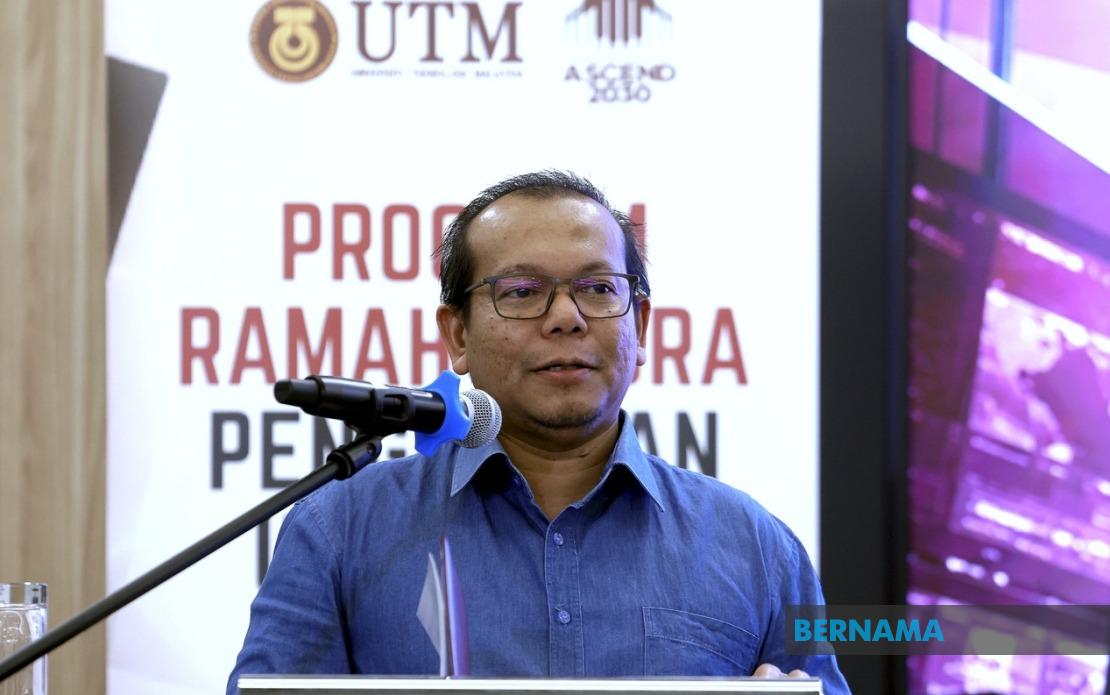
Universiti Teknologi Malaysia has moved to fortify its relationship with the media sector, recognizing that reliable institutional communication serves as a critical counterweight to reputational threats in an increasingly complex information landscape. Vice-Chancellor Prof Dr Mohd Shafry Mohd Rahim articulated this strategic imperative at a recent media networking gathering, emphasizing that universities must work hand-in-hand with journalists and news organizations to maintain public confidence through timely, evidence-based messaging.
The initiative reflects growing institutional anxiety within Malaysia's higher education system about the speed and reach of damaging narratives. Unlike the traditional university challenges of academic competition or resource allocation, today's reputation threats emerge from unverified claims that can circulate widely before institutional responses can take effect. Prof Mohd Shafry underscored this asymmetry, noting that while building a university's credibility requires patient decades of consistent achievement and public service, a single viral falsehood can erode that accumulated trust within days. This observation speaks to the vulnerability of knowledge-based institutions in an era where algorithmic amplification rewards sensationalism over nuance.
The collaboration, which involves Malaysia's national news agency Bernama through its Chief Executive Officer Datin Paduka Nur-ul Afida Kamaludin and Acting Deputy Editor-in-Chief of Economic News Service Harlina Samson, represents a structured attempt to realign media engagement around mutual interests. Rather than viewing journalists as occasional sources of adverse coverage, UTM frames the relationship as fundamentally collaborative, with both parties seeking to elevate public discourse through rigorous, fact-grounded reporting.
Central to UTM's strategy is the commitment to democratize access to its academic resources. The university plans to organize training programmes focused on artificial intelligence for media practitioners, recognizing that journalists lack deep familiarity with cutting-edge research domains yet must report on them with accuracy and contextual sophistication. By equipping journalists with foundational AI literacy, UTM creates conditions for more nuanced coverage of technology-related developments. Simultaneously, the institution is positioning its professors and subject-matter experts as readily accessible reference sources, reducing the incentive for journalists to rely on less authoritative voices when seeking academic perspectives.
This initiative carries particular significance for Malaysian higher education, which faces international competition for both student enrollment and research funding. Institutions in the region increasingly vie for global rankings and research prestige, metrics that can be influenced by the visibility and perceived quality of their work. When Malaysian universities feature prominently in international media with credible reporting on their discoveries and innovations, institutional standing improves and attracts talent. Conversely, reputational damage in domestic media can have cascading effects on international perception, as foreign academics and students form impressions of institutions partly through local coverage.
The mechanisms UTM is developing to enhance research dissemination through media channels also address a structural problem within academic publishing. Researchers often publish findings in specialized journals with limited public readership, while policymakers, business leaders, and ordinary citizens remain unaware of innovations that could address practical challenges. By creating pathways for media to access and communicate research findings, universities can increase the societal return on public investment in higher education. This is particularly important for applied research domains where discoveries have direct relevance to economic competitiveness or social welfare.
The timing of this initiative suggests awareness within Malaysian universities that passive institutional relations with media are increasingly insufficient. The information environment has become crowded and contested, with corporate actors, political figures, and activists all competing for media attention. Universities must develop sophisticated communication strategies that neither appear self-serving nor abandon responsibility for accuracy. By framing media collaboration as mutually beneficial rather than transactional, UTM signals sophistication about how modern institutions build and maintain public trust.
Prof Mohd Shafry's emphasis on "fact-based explanations" delivered "promptly" reflects understanding that reputational threats spread fast and require rapid institutional response. Traditional university communication, often slow and bureaucratic, cannot match the velocity of misinformation. By building standing relationships with key journalists and news organizations, UTM can mobilize faster responses when inaccurate claims emerge, providing journalists with credible counter-narratives backed by institutional expertise. This is particularly valuable when false allegations touch on sensitive topics where emotional reactions can outpace rational consideration.
For Malaysian media organizations, this collaboration offers substantive advantages. Access to university experts provides journalists with authoritative sources for complex stories, elevating reporting quality and credibility. Training in emerging fields like artificial intelligence enhances journalists' professional capabilities and expands the range of stories they can competently cover. These benefits create incentives for sustained engagement rather than episodic interaction, potentially yielding longer-term improvements in how universities and research institutions are covered across Malaysian news outlets.
The aspirational dimension of UTM's initiative—strengthening Malaysia's higher education ecosystem while enhancing the institution's global standing—suggests ambitions that extend beyond managing reputational crises. By ensuring that Malaysian research reaches both domestic audiences and international observers through quality media coverage, universities contribute to building a knowledge-based economy. This is essential context for Southeast Asian development, where countries compete for knowledge economy positioning. Quality science communication, enabled through strong media partnerships, becomes infrastructure for economic competitiveness.
Looking forward, the success of this initiative will depend on whether both universities and media outlets sustain commitment beyond the initial announcement phase. Journalists face resource constraints and competitive pressures that may limit time for building deep relationships with academic sources. Universities must ensure that experts remain accessible and responsive rather than distant and bureaucratic. Where these partnerships genuinely function, they can shift media coverage toward greater sophistication and accuracy, ultimately serving the broader public interest in informed democratic discourse.

