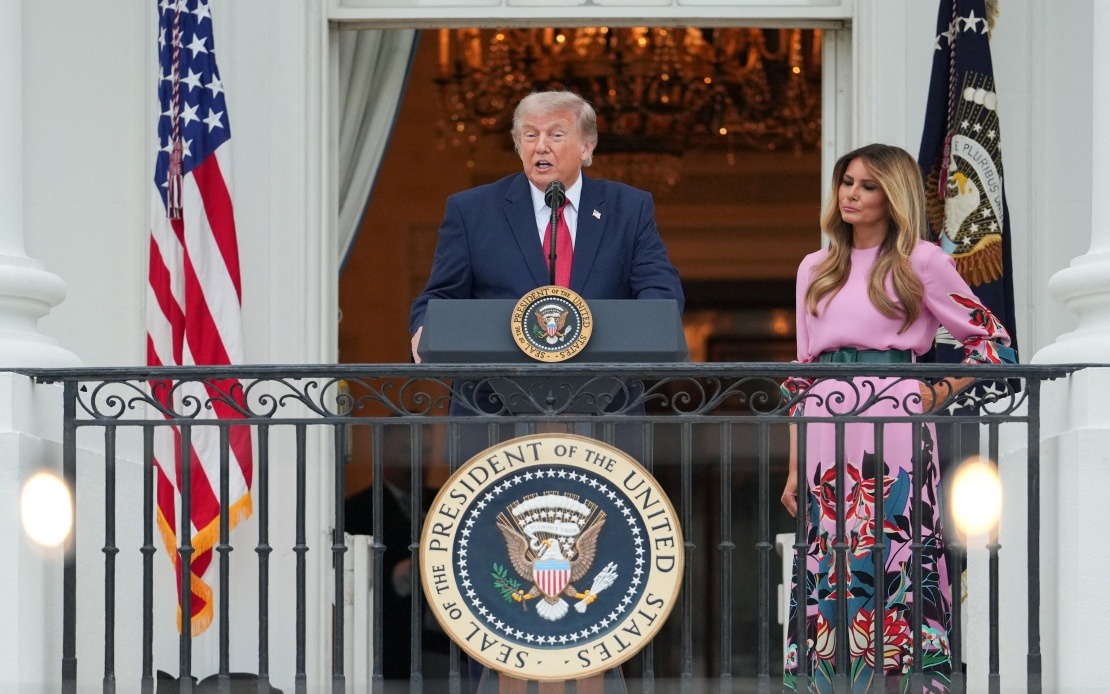
The United States Supreme Court has moved to keep construction moving forward on President Donald Trump's contentious White House ballroom project, according to Chief Justice John Roberts's brief order released on Friday. By temporarily suspending a lower court's decision to halt building activity, the nation's highest judicial body has given the administration breathing room to proceed with a development that has sparked years of litigation and become a flashpoint in debates over architectural heritage, spending priorities, and executive authority.
The temporary suspension remains effective only until the Supreme Court itself renders a final decision on the underlying case. This procedural move does not represent a ruling on the merits of the dispute but rather a tactical decision to maintain the status quo during the ongoing appellate process. Such stays are relatively common in complex construction cases where delays themselves can have significant financial and logistical consequences.
The ballroom initiative has been mired in legal controversy since its inception, with conservationists and heritage advocates challenging the undertaking on multiple grounds. An appeals court recently determined that Trump lacked the authority to proceed without congressional approval, effectively blocking construction and requiring a temporary halt to all work. This ruling represented a significant obstacle for an administration determined to complete a project that officials argue addresses pressing national security needs alongside modernising White House entertaining capabilities.
Heritage preservation organisations have consistently opposed the ballroom, citing concerns that extend well beyond its estimated hundreds of millions of dollars cost. Critics have questioned the design's proportions relative to the historic White House complex, the lack of public consultation before the project commenced, and the potential architectural and historical impact on one of America's most symbolically significant buildings. These organisations view the dispute as emblematic of broader tensions between security concerns and preservation of national treasures.
The Trump administration's characterisation of the ballroom as essential infrastructure reflects the contemporary security mindset that increasingly drives decisions about public buildings. According to the president's recent comments, the facility would incorporate multiple defensive capabilities, functioning as both a hardened structure resistant to conventional and emerging threats while maintaining aesthetic standards befitting a presidential residence. This framing attempts to reposition what critics view as architectural overreach as a reasonable security investment rather than an indulgent expansion.
Construction on the project commenced in 2025 at the location of the former East Wing, with the expansion encompassing several thousand square metres of new space. The administration contends that current state dining facilities have become inadequate for the scale of diplomatic entertaining that modern presidential responsibilities demand. The new ballroom would substantially increase capacity for state banquets and official functions, addressing what officials characterise as a genuine operational limitation of the existing White House infrastructure.
The legal battle over this ballroom encapsulates broader American tensions about executive power, congressional oversight, and the proper balance between modernisation and preservation. Malaysian observers might find parallels in how governments worldwide grapple with upgrading heritage sites to meet contemporary functional needs while respecting historical significance. The case demonstrates how institutional checks and balances can slow controversial projects even when a president commands substantial executive authority and resources.
The pathway to final resolution remains unclear. The Supreme Court's temporary stay buys time for construction to continue, but the fundamental legal questions about congressional approval and executive authority remain contested. Future appellate arguments will likely centre on whether the White House qualifies as a unique circumstance where presidential authority supersedes normal architectural review processes, or whether checks on executive power extend even to the president's own residence.
For regional observers, this dispute offers instructive lessons about how democratic systems navigate conflicts between security imperatives and institutional constraints. The involvement of heritage organisations in court challenges reflects strong traditions of public interest litigation and architectural advocacy in mature democracies. Meanwhile, the administration's security rationale reflects post-9/11 threat assessments that have reshaped thinking about protecting critical government infrastructure worldwide.
The Supreme Court's intervention suggests the institution recognises the practical urgency of reaching final resolution. Repeated construction halts and resumptions would create inefficiencies and accumulating costs, yet allowing unlimited work while legal challenges proceed risks entrenching an outcome that courts might ultimately deem improper. The temporary stay represents a judicial attempt to manage competing interests pending authoritative resolution.

