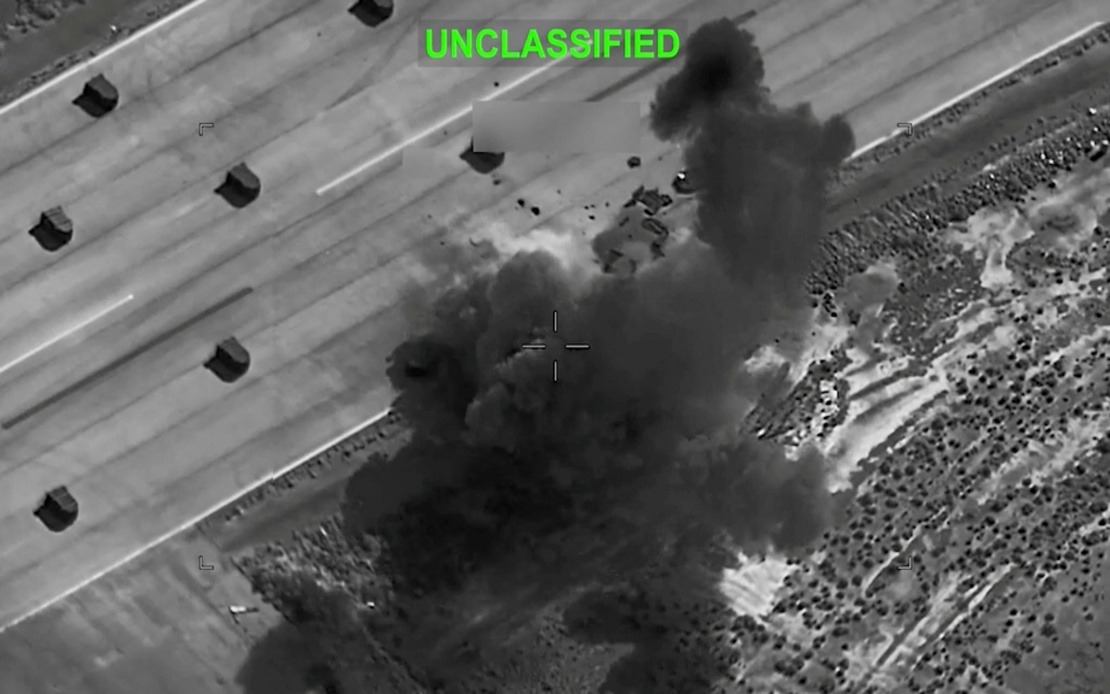
The escalation of hostilities between the United States and Iran has intensified following military operations that claimed at least 14 lives and left dozens wounded across Iranian territory on July 8 and 9, 2026. According to Iranian Health Ministry spokesman Hossein Kermanpour, the attacks targeted five separate provinces while a ceasefire arrangement was nominally in effect, marking a significant breach of understood agreements. The casualty figures released Thursday morning underscore the fragile nature of current de-escalation efforts in the Middle East and signal a dangerous deterioration in diplomatic relations between Washington and Tehran.
Kermanpour's statement, shared via the social media platform X, provided initial casualty assessments based on medical data collected from affected regions. Among the 78 injured, roughly 60 percent remained hospitalized at the time of the ministry's announcement, indicating the severity of wounds sustained during the bombardment. The remaining patients had been treated and released from medical facilities, though the full extent of injuries and long-term health impacts remains unclear. Iranian authorities have historically been cautious in releasing casualty figures, and the Health Ministry's decision to publicize these numbers so promptly suggests the Iranian government views the incident as a significant violation requiring international attention.
The targeting of multiple provinces simultaneously represents a coordinated military campaign rather than isolated incidents. The breadth of the operations across five distinct geographic areas suggests strategic intent to inflict maximum impact on Iranian infrastructure and demonstrate military capability. Such widespread strikes during a supposed ceasefire period carry serious implications for regional stability and the credibility of existing agreements between the parties involved. The timing and scale of operations may indicate escalating pressure from hardliners on either side seeking to undermine diplomatic initiatives.
For Malaysia and Southeast Asian nations, the worsening Iran-US tensions carry significant economic implications. Disruptions to Middle Eastern stability have historically translated into volatility in global oil markets, affecting fuel prices and transportation costs that directly impact the region's economies. Malaysia's substantial trade relationships with both Iran and the United States mean that sustained conflict could complicate commercial partnerships and create diplomatic complications. Regional security analysts are closely monitoring whether this incident signals a broader breakdown in international agreements or remains an isolated flashpoint that can be contained through diplomatic channels.
The invocation of ceasefire violation by Iranian authorities raises questions about the nature and credibility of agreements purportedly governing US-Iranian military conduct. If Washington has indeed proceeded with military operations despite an understanding not to do so, the foundation for future negotiations becomes significantly weakened. Conversely, if Iranian characterizations of the ceasefire's terms differ fundamentally from American interpretations, the incident highlights the dangers of ambiguous or undocumented agreements in high-stakes international disputes. Either scenario suggests the need for clearer frameworks and independent monitoring mechanisms to prevent such incidents from recurring.
The casualty count, while significant, remains lower than some observers might have anticipated given the scale of operations. The fact that 47 of 78 wounded required continued hospitalization indicates that many injuries are serious rather than superficial, ranging potentially from blast trauma to burns and crush injuries. Medical facilities across the affected provinces have likely been strained by the sudden influx of casualties, potentially affecting the quality of care for routine patients and creating humanitarian challenges beyond the immediate attack zone.
International response to the Iranian Health Ministry's announcement will likely shape the trajectory of US-Iran relations in coming weeks. Nations with significant stakes in regional stability, including those in Southeast Asia with energy security concerns, will be watching whether the United Nations or regional organizations intervene to investigate claims or broker further de-escalation. The credibility of international mechanisms for addressing such incidents will be tested, particularly regarding independent verification of casualty claims and investigation of whether military targets or civilian infrastructure was struck.
Historically, cycles of military escalation between the US and Iran have proceeded through patterns of retaliation and counter-retaliation, each side justifying actions as responses to previous provocations. The current incident creates conditions favorable for such a spiral unless third-party diplomacy can establish new understanding about boundaries and rules of engagement. The Iranian government's decision to publicize casualty figures immediately suggests officials may be preparing domestic public opinion for potential Iranian military responses, which could further deteriorate the situation.
The broader context matters considerably here. Relations between Washington and Tehran have experienced multiple cycles of tension and thaw over recent years, with various actors on both sides pushing for different approaches to the bilateral relationship. Hardline factions in Iran have opposed diplomatic engagement, while similar voices in American politics have resisted negotiations. Military incidents like this one provide ammunition for extremists on both sides arguing that their skeptical positions were justified, potentially undermining moderate voices advocating for dialogue and restraint.
Looking forward, Southeast Asian policymakers and business leaders should monitor developments closely. Any sustained military conflict between the US and Iran would create regional upheaval affecting trade routes, energy supplies, and diplomatic relationships that touch Malaysian interests. The incident also underscores broader questions about the stability of international agreements and the role of military power in shaping outcomes of geopolitical disputes—concerns that resonate throughout Asia as great power competition intensifies across the region.

