The United States is pushing to fundamentally reshape the G20's policy priorities, according to sources familiar with negotiations unfolding in Washington this week. As the group's senior negotiators—known as sherpas—convened for their second preparatory session ahead of the December summit in Miami, American delegators pursued an aggressive strategy to streamline the joint declaration by removing commitments on poverty alleviation, renewable energy transitions, and gender equality, according to two delegation members who spoke anonymously due to the confidential nature of the talks.
The American delegation has instead sought to concentrate the group's agenda on a narrower set of priorities: immigration, organised crime, counterterrorism, foreign direct investment, and what Washington terms "fair trade." This represents a significant departure from the G20's traditional mandate, which emphasises inclusive economic growth, sustainable development, and addressing global inequality. The strategic repositioning reflects deeper tensions within the world's largest economies over how multilateral institutions should allocate their limited diplomatic capital and influence.
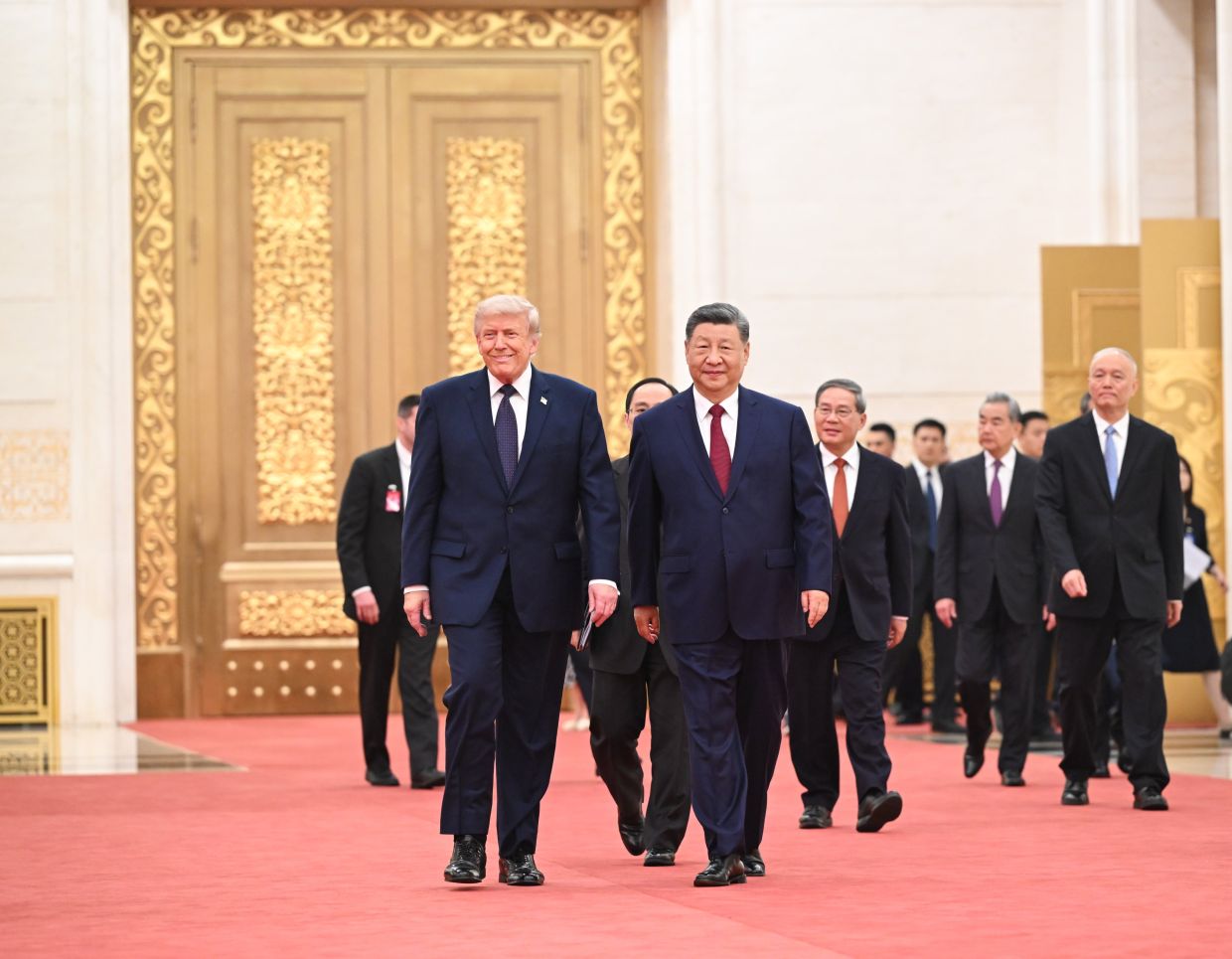
According to one source, the United States has been engineering this shift since December when G20 members first convened to draft language for the summit's final communique. The source characterised American negotiating tactics as deliberately favouring language that advances US interests at the expense of smaller and developing economies. More pointedly, this delegation member described the entire Miami gathering as a "pretty backdrop for a photo of Trump and Xi," suggesting that bilateral relations between Washington and Beijing have eclipsed the broader G20 agenda in importance for the host nation.
Russia has publicly voiced similar frustrations, with ambassador-at-large Marat Berdyev criticising the narrowing of the G20's scope. Yet despite these objections, Russian negotiators participated actively in this week's talks, led by sherpa Denis Agafonov, head of the presidential experts' directorate. Berdyev told the state news agency Tass that Moscow expected the Miami summit to focus on trade, energy, and finance—a signal that Russia still hopes to preserve substantive policy discussions even as American pressure mounts to reduce the agenda's scope.
The summit will take place on December 14-15 at Trump National Doral, a golf resort owned by the American president in Miami. Expectations are high that Chinese President Xi Jinping will attend, with a bilateral meeting between Trump and Xi positioned as the likely centrepiece of the event. This arrangement has prompted questions about whether the G20 framework is being instrumentalised primarily as a forum for great-power diplomacy rather than as a venue for addressing multilateral economic and social challenges that affect developing nations disproportionately.
China's negotiating position during this week's talks remains opaque. The Chinese embassy in Washington declined to confirm whether parallel bilateral discussions were occurring outside the formal sherpa sessions or to identify who represented Beijing at the negotiating table. This lack of transparency is particularly striking given that renewable energy and emissions reduction form central pillars of Beijing's domestic policy agenda, yet Chinese negotiators have apparently offered no resistance to American efforts to excise climate transition language from the joint declaration.
One delegation member expressed surprise at China's passivity on energy transition initiatives, noting that the United States had effectively abandoned its own proposals in this area. The silence from Beijing stands in sharp contrast to its longstanding rhetoric about environmental stewardship. When asked to respond, the Chinese embassy issued a statement emphasising that China has constructed "the world's most complete policy system on reducing carbon emissions" and operates "the world's largest renewable energy system," while positioning itself as a responsible developing nation committed to building a "clean and beautiful world." Yet these assertions do little to explain why Beijing declined to champion climate language in the negotiations when doing so aligns perfectly with its stated priorities.
This apparent contradiction underscores deeper strategic calculations at play within the G20. Analysts have previously noted that China's climate pledges often fall significantly short of what scientific consensus deems necessary to meet Paris Agreement targets. At present, China's emissions reduction goals fail to align with the approximately 30 percent cut needed to maintain a 2 degrees Celsius warming pathway, and the country has not specified a peak year for emissions. The decision to not defend climate language in G20 negotiations may reflect Beijing's preference for managing its climate agenda independently rather than through multilateral frameworks that might impose stricter constraints.
The broader institutional context reveals deeper fractures within the G20 itself. The group is managing a crisis of legitimacy following the historic exclusion of South Africa—a full G20 member—from the current negotiating cycle, an unprecedented development in the organisation's history. Multiple governments have lodged formal objections to this exclusion, though South Africa's own president has tempered criticism of the arrangement. Earlier in the year, tensions surfaced when the inaugural G20 finance ministers' meeting under American presidency concluded without a joint communique or customary press conference, signalling that consensus-building has become increasingly difficult.
For Malaysia and other Southeast Asian economies, these developments carry significant implications. As developing nations that depend on multilateral frameworks to amplify their voices and influence global policy, the erosion of the G20's inclusive agenda threatens to marginalise concerns about poverty reduction, technology transfer, and equitable development. The apparent willingness of major powers to subordinate G20 business to bilateral diplomacy suggests that emerging markets may find themselves increasingly sidelined in forums ostensibly designed to give them a seat at the global governance table.
The December summit in Miami will ultimately reveal whether the G20 can maintain its identity as a genuine forum for addressing transnational challenges or whether it has permanently shifted toward functioning as a convenient platform for bilateral photo opportunities between the world's most powerful capitals. For now, the negotiation dynamics suggest that institutional substance is giving way to great-power theatre, with significant consequences for how the international community addresses shared economic and environmental challenges in the years ahead.

