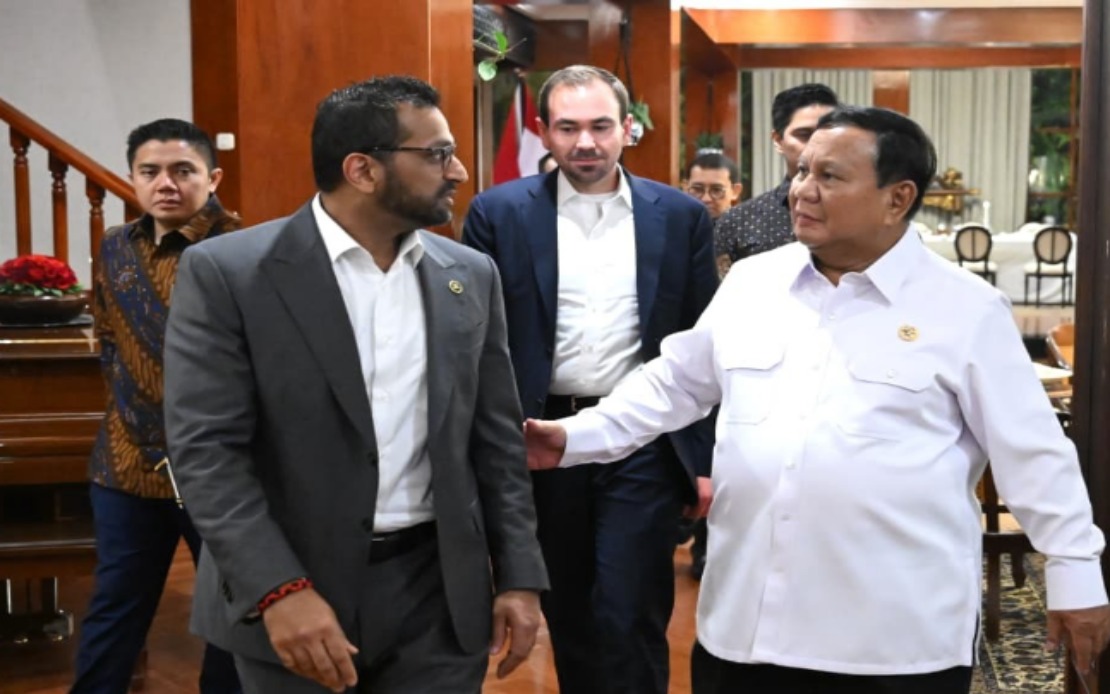
The United States Federal Bureau of Investigation has delivered a significant shipment of illegally smuggled Indonesian cultural artefacts to the Indonesian government, marking another milestone in the ongoing partnership between Washington and Jakarta over the recovery and restitution of heritage items. FBI Director Kash Patel personally presented the returned objects to President Prabowo Subianto during an official courtesy call at Kertanegara in Jakarta on Wednesday, an encounter that underscores the diplomatic importance both nations attach to resolving the unlawful trafficking of cultural property.
Indonesia's Culture Minister Fadli Zon characterised the handover as validation of collaborative efforts spanning multiple government agencies and international law enforcement bodies. In a statement released through the Presidential Secretariat on Thursday, Fadli emphasised that Jakarta views this repatriation outcome not merely as an isolated recovery but as a foundation upon which deeper institutional cooperation can be constructed. The minister flagged the involvement of the State Secretariat and Ministry of Foreign Affairs as evidence of how the matter transcends cultural institutions to become a broader diplomatic and sovereignty issue.
The artefacts returned to Indonesia originate from Papua, encompassing culturally significant objects from the Dani and Asmat communities as well as populations inhabiting the Lake Sentani region. These items possess substantial historical value and represent unique artistic traditions developed over centuries within Indonesia's eastern provinces. Their recovery through proper channels demonstrates how provenance research—the methodical tracing of an object's ownership history—can expose illegal smuggling networks and establish rightful claims to cultural property held in foreign jurisdictions.
The recovery process illustrates the complex investigative work underpinning cultural repatriation. Once the FBI established that these artefacts had been illegally transported to the United States, the groundwork was laid for formal restitution proceedings. For Indonesia, retrieving these objects constitutes more than recovering physical possessions; it represents an assertion of cultural sovereignty and the right to preserve and interpret one's own heritage narratives. Fadli framed the repatriation within Indonesia's broader agenda to restore national stewardship over dispersed cultural assets.
The FBI's track record in supporting Indonesia extends beyond this recent transaction. The American agency has previously collaborated with Jakarta to recover other stolen cultural objects, including bronze statues and materials from significant archaeological and cultural sites across the archipelago. This established pattern of cooperation suggests that both nations recognise mutual benefit in addressing art trafficking and smuggling networks that operate across international boundaries. For Southeast Asia, such bilateral arrangements with major developed economies can prove instrumental in combating a illicit trade estimated globally at billions of dollars annually.
Jakarta's optimism about expanding this partnership reflects Indonesia's strategic positioning as a nation with vast cultural heritage assets distributed globally through historical trade routes, colonial-era acquisitions, and modern-day smuggling operations. The Indonesian government has invested increasingly in identifying, documenting, and pursuing repatriation claims for objects held in Western museums and private collections. Working with enforcement agencies like the FBI provides Jakarta access to investigative resources and international legal mechanisms that domestic institutions alone might struggle to access.
The decision to place the returned artefacts in the National Museum signals Indonesia's commitment to public accessibility and scholarly engagement with its heritage. Rather than securing these items in restricted archival storage, placing them on public display allows Indonesian citizens and international visitors to directly encounter the aesthetic and cultural achievements of Papua's indigenous communities. This approach aligns with contemporary curatorial thinking that emphasises living engagement with heritage rather than preservation in isolation.
The Dani and Asmat communities whose cultural objects are being returned have historically been underrepresented in global discussions of art and heritage. These repatriations offer opportunities to elevate their cultural contributions within national and international discourse. For communities whose artistic traditions have been extracted and commercialised through illegal channels, recovery of original works can support cultural pride and provide educational resources for younger generations seeking connection to ancestral practices.
For Southeast Asian nations more broadly, Indonesia's success in securing FBI cooperation offers a potential model. Many countries across the region possess significant cultural heritage scattered across Western institutions, and bilateral engagement with international law enforcement agencies may accelerate repatriation efforts. The arrangement also reflects wider shifts in Western perspectives on colonial-era acquisitions, with institutions increasingly recognising moral and legal obligations to return objects obtained through dubious historical circumstances.
The diplomatic dimensions of this repatriation extend to bilateral relations between Indonesia and the United States. Cultural cooperation, particularly on heritage recovery, can build goodwill and demonstrate shared commitment to international legal standards governing cultural property. For the incoming Trump administration, the involvement of FBI Director Kash Patel in this handover suggests that cultural repatriation remains on the agenda for US international engagement, even as other policy priorities shift.
Looking forward, Indonesia's expressed intention to deepen FBI cooperation implies potential expansion of both countries' joint work on art trafficking investigations. The illicit antiquities market continues to fund transnational criminal networks and organised smuggling syndicates. By strengthening investigative partnerships, Indonesia and the United States can potentially disrupt supply chains that funnel stolen heritage items to international markets.
The successful return of these Papuan artefacts also validates Indonesia's investment in provenance research capabilities and legal expertise. Building institutional capacity to document ownership histories and establish legitimate repatriation claims requires sustained commitment and resources. Each successful recovery strengthens Indonesia's legal precedents and negotiating position in future cases involving cultural property held abroad.

