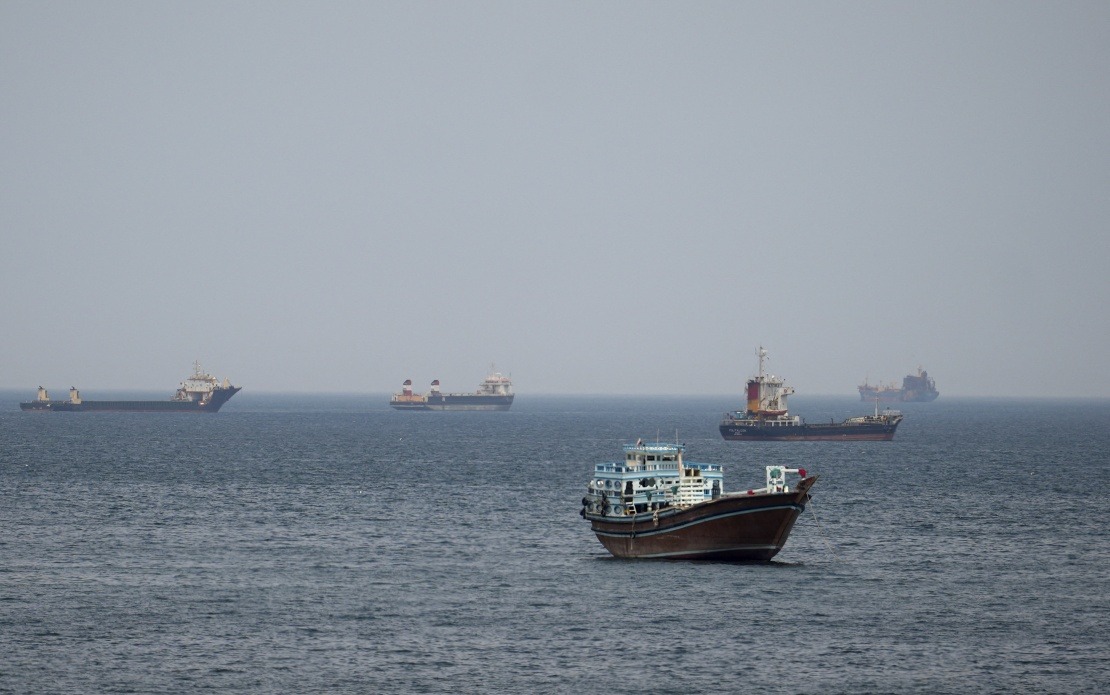
The United States military has overseen the safe transit of more than 800 commercial vessels through the Strait of Hormuz over the past two months, according to US Central Command. The American forces have simultaneously facilitated the passage of 380 million barrels of crude oil through one of the world's most strategically important shipping channels. CENTCOM announced the figures on Thursday as it underscored the ongoing commitment to maintaining freedom of navigation in the corridor.
The Strait of Hormuz represents a chokepoint of global significance, with roughly one-fifth of the world's oil passing through its waters annually. For Malaysia and other Southeast Asian nations dependent on stable energy supplies and predictable shipping routes, the security of this waterway carries profound economic implications. Any sustained disruption would ripple through regional economies, affecting fuel costs, manufacturing competitiveness, and import-export logistics across the entire region.
The scale of American involvement in protecting commercial traffic underscores the deteriorating security situation in the Persian Gulf. The presence of over 800 vessels requiring escort or facilitation suggests that ordinary merchant shipping has become increasingly vulnerable to interference. This transformation reflects the broader geopolitical instability that has gripped the region, transforming what was once considered a routine maritime corridor into a contested zone requiring military supervision.
The timing of CENTCOM's announcement is significant, coming amid renewed hostilities between the United States and Iran. Over the past forty-eight hours, both nations have exchanged military strikes, escalating a cycle of retaliation that threatens the fragile understanding that had previously kept direct confrontation at bay. Iran conducted attacks on American military installations spread across Bahrain, Kuwait, Qatar and Jordan on Thursday, responding to successive nights of US military operations against Iranian targets and positions.
These recent exchanges follow Iranian attacks on three commercial vessels operating within the Strait of Hormuz, incidents that triggered the American response. The targeting of merchant shipping represents a particularly concerning development, as it places civilian crews and valuable cargo at direct risk. For regional trading nations like Malaysia, such incidents demonstrate the vulnerability of commercial operators caught between competing geopolitical interests.
The continued flow of shipping traffic through the strait despite these tensions reveals the resilience of global commerce but also masks underlying fragility. Merchants and shipping companies have adapted to the new security environment, incorporating military escort into their operational planning and accepting the associated costs and delays. This normalization of military intervention in commercial shipping reflects how thoroughly the security crisis has reshaped maritime operations in the region.
From a Southeast Asian perspective, the American military presence in the Persian Gulf serves important stabilizing functions, even if regional governments maintain official positions of non-alignment in US-Iran disputes. The security umbrella provided by CENTCOM operations protects shipping routes that are essential to the economic interests of Malaysia, Singapore, Vietnam and other regional economies. Disruptions to Strait of Hormuz traffic would divert vessels to longer routes, increasing freight costs and delivery times for goods destined for Southeast Asian markets.
The 380 million barrels of oil facilitated through the strait since May represents an enormous volume of energy resources essential to global functioning. This figure contextualizes why American military engagement in the region persists despite broader strategic priorities elsewhere. The economic consequences of allowing the strait to become impassable or highly restrictive extend far beyond the immediate region, affecting energy prices and supply chains worldwide.
The sustainability of current arrangements remains uncertain, however. As long as US-Iran tensions remain elevated, the risk of escalation persists. A significant military incident or further targeting of commercial vessels could force shipping companies to abandon the route entirely, or compel governments to seek alternative arrangements for securing the passage. Such developments would impose substantial costs on trading nations throughout Asia, including Malaysia.
The international community's dependence on American military capacity to ensure maritime security in the Strait of Hormuz reflects both the strategic value of the waterway and the limitations of multilateral maritime governance mechanisms. Regional powers have proven unable or unwilling to collectively guarantee shipping safety, leaving the burden on the United States and its allies. For Southeast Asian nations, this situation underscores the importance of maintaining working relationships with major powers capable of influencing regional security dynamics.
Looking forward, the sustainability of current escort operations depends on whether the US-Iran cycle of escalation can be arrested. Any sustained conflict would likely force shipping companies to demand additional security measures or seek alternative routes, imposing economic costs on regional economies. The announcement of successful escort operations should therefore be read not as a sign of stabilization, but as evidence of the extraordinary measures now required to maintain basic maritime commerce in a region of deteriorating geopolitical stability.

