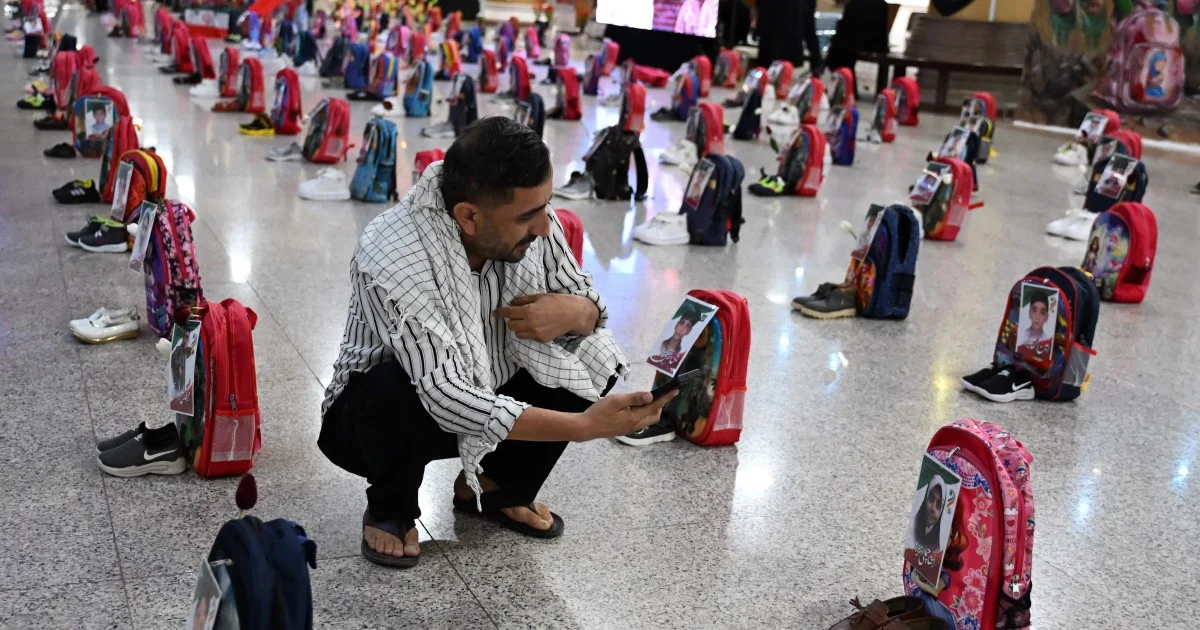
A group of Democratic senators spearheaded by Kirsten Gillibrand has formally requested that the Trump administration make public the results of an internal Pentagon investigation into military operations conducted on February 28 against an educational facility in Iran housing female students. The lawmakers have set a seven-day deadline for the executive branch to deliver these findings, signalling growing congressional pressure over transparency regarding the incident and its consequences.
The February 28 strike represents a particularly sensitive military action given that it targeted a civilian institution rather than a military installation. Schools, particularly those educating girls, occupy a protected status under international humanitarian law, making any civilian casualties or structural damage a matter of significant concern to human rights monitors and international bodies. The timing of the demand underscores lawmakers' determination to obtain accountability while the Trump administration establishes its foreign policy direction in the region.
For Malaysian and Southeast Asian observers, this development highlights the persistent complexity of US military operations in the Middle East and the evolving role of congressional oversight in checking executive power. The demand for investigation transparency reflects broader democratic principles that have international implications, particularly as countries across Asia navigate their relationships with Washington during periods of heightened regional tensions.
The Pentagon investigation itself represents an internal accountability mechanism intended to evaluate whether the strike complied with laws of armed conflict, whether proper intelligence assessments preceded the operation, and whether proportionality principles were observed in the targeting decision. Such probes typically examine civilian casualty estimates, building damage assessments, and the strategic justification for the operation. The fact that senators are demanding public disclosure rather than accepting confidential briefings suggests concerns that the administration might otherwise keep details classified.
Kirsten Gillibrand's leadership on this issue aligns with her consistent focus on military accountability and human rights in US foreign policy. Her coordination with fellow Democratic senators indicates this is not an isolated parliamentary gesture but reflects substantive concern across a significant segment of Congress. The specificity of the one-week timeline demonstrates lawmakers are serious about the demand and prepared to escalate pressure should the administration miss this deadline.
The geopolitical backdrop to this demand involves broader US-Iran tensions that have intensified considerably under the Trump administration. Military operations in the region, whether against Iranian assets or in territories where Iranian influence operates, carry substantial diplomatic and military ramifications. The transparency demand must be understood within this context of heightened scrutiny over how the administration justifies and conducts military action.
International humanitarian organisations have previously expressed concern over civilian harm in Middle Eastern conflicts, and this particular incident involving a school facility would certainly attract their attention. Should the Pentagon investigation reveal civilian casualties or serious structural damage, the findings could become diplomatically consequential and potentially subject to international scrutiny. The congressional demand for disclosure prevents such information from remaining confidential within government channels.
For regional security analysts, the outcome of this transparency battle carries implications beyond the immediate incident. How the Trump administration responds to congressional demands for military transparency will establish precedent for future operations and signal the degree to which Congress intends to exercise oversight over executive military decision-making. Southeast Asian nations, many of which maintain strategic partnerships with the United States, monitor such domestic American political dynamics as they reveal how durable congressional constraints on presidential power actually are.
The one-week deadline creates a decision point for the administration. Compliance would mean confronting potentially embarrassing details in public record; non-compliance would invite further congressional action and possibly more aggressive investigation. Either path carries political costs, and the administration's choice will reveal its posture toward legislative branch oversight and transparency regarding military operations.
Historically, Pentagon investigations into controversial military operations have sometimes revealed troubling findings, from civilian casualty counts exceeding initial estimates to procedural failures in targeting protocols. The congressional demand for disclosure suggests senators anticipate the investigation may contain significant findings rather than routine operational validation. This expectation, whether based on preliminary information or informed speculation, drives the urgency of the deadline.
The demand also reflects the broader political climate within Congress, where Democratic opposition to Trump administration policies encompasses security and foreign policy dimensions beyond traditional partisan divides. Military accountability transcends normal partisan lines, attracting support from defence-minded lawmakers across ideological spectrums who believe transparent governance strengthens rather than weakens national security institutions.
As the one-week window commences, observers should track whether the administration meets this deadline and, if disclosure occurs, what substantive details the investigation contains. The response will illuminate both the immediate circumstances of the February 28 operation and the broader struggle over who controls military transparency in contemporary American governance. For Southeast Asian observers interested in understanding how American institutional checks on presidential power function, this parliamentary-executive conflict offers genuine insight into democratic accountability mechanisms operating under genuine pressure.

