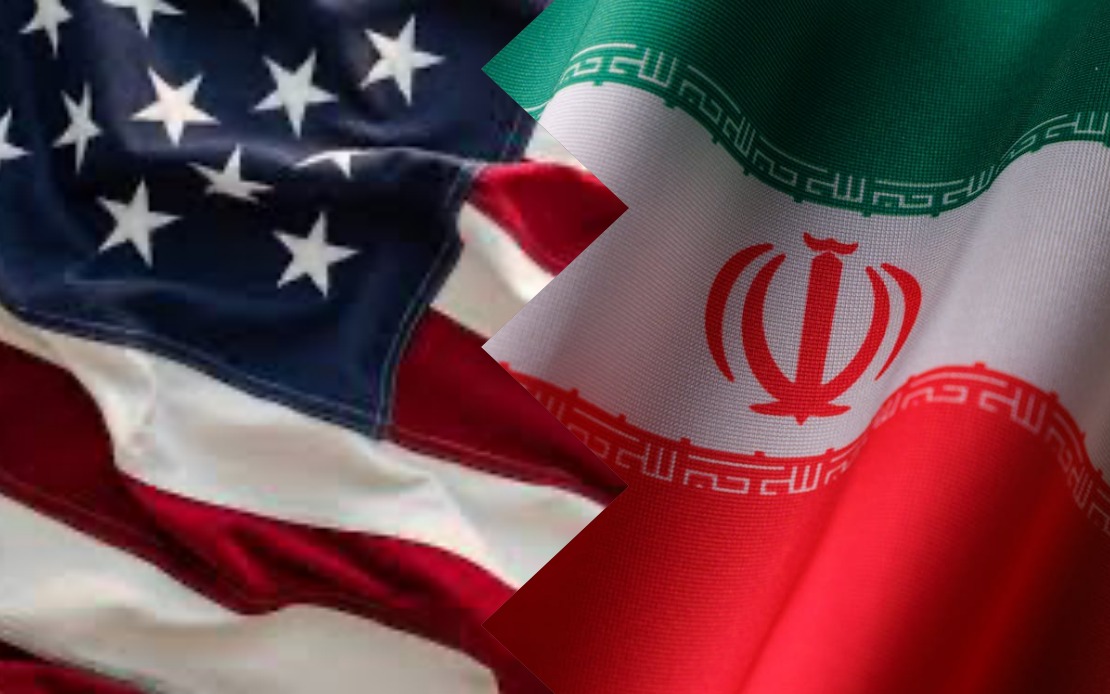
The United States military delivered a fresh round of strikes against Iran on Wednesday afternoon, marking an escalation in the ongoing military confrontation between Washington and Tehran. According to CENTCOM, the operations commenced at 3 p.m. Eastern Time and focused specifically on disabling Iranian military assets positioned to threaten commercial navigation through the Strait of Hormuz, one of the world's most strategically important maritime passages. The announcement came as tensions between the two nations remain dangerously elevated following months of tit-for-tat military exchanges.
The action represents a deliberate show of force carried out under the explicit direction of President Donald Trump, who has made clear his administration's determination to confront Iranian military ambitions in the region. CENTCOM framed the strikes as holding Iran "accountable" for its actions, signalling that Washington views this campaign as a proportional response to perceived threats emanating from Tehran. The focus on the Strait of Hormuz underscores American commitment to maintaining freedom of navigation through waters critical to global energy supplies and international trade.
Trump himself issued a stark warning to Iran's leadership earlier the same day, emphasizing that the Iranian government comprehends Washington's strategic position and threatening further consequences if Tehran fails to exercise restraint. The presidential admonition carried implicit menace, with Trump cautioning Iran to "better behave" in light of the military pressure being applied. Such rhetoric, combined with concrete military action, reflects a deliberate strategy of coercion aimed at modifying Iranian behavior without necessarily seeking a broader conflict.
The second wave of strikes follows an initial round of American military operations, indicating a sustained and methodical approach to degrading Iranian military infrastructure. This pattern suggests that Washington is implementing a phased campaign rather than a single overwhelming strike, potentially designed to maximize pressure while maintaining some degree of strategic flexibility. For regional observers, the sequential nature of the attacks signals American resolve to maintain military superiority and protect allied interests in the Gulf.
The latest violence occurs despite diplomatic efforts to de-escalate the crisis. Pakistan had brokered a memorandum of understanding between Washington and Tehran aimed at halting the cycle of military strikes that has characterized their relationship in recent months. However, the agreement appears insufficient to constrain either side's actions, with both nations continuing to launch attacks despite the theoretical framework for restraint. This breakdown in the Pakistan-mediated arrangement suggests that the underlying political and strategic disagreements between the US and Iran remain fundamentally unresolved.
The trigger for the current escalation traces back to February, when coordinated US-Israeli military operations targeted Iranian positions and facilities. That initial strike sparked a dramatic Iranian response and set in motion the tit-for-tat cycle that now characterizes the bilateral relationship. Rather than resolving tensions, the February operations appear to have inaugurated a new phase of active military competition between Washington and its regional allies against Tehran, one that shows little sign of abating despite periodic diplomatic gestures.
For Malaysia and other Southeast Asian nations, these developments carry significant implications for regional stability and economic interests. The Strait of Hormuz remains critical to energy supplies flowing to East and Southeast Asia, making any disruption to shipping or escalation of military tensions in the waters deeply concerning. Malaysian shipping interests, oil imports, and broader trade patterns depend on the free passage of vessels through these contested waters. Any further escalation risks introducing supply chain disruptions and price volatility that could ripple through the regional economy.
The pattern of US military action also reflects broader strategic anxieties in Washington regarding Iran's expanding military capabilities and regional influence. American policymakers view Iranian weapons development, particularly drone and missile programmes, as threatening to US forces, allies, and commercial interests throughout the Middle East and beyond. The focus on targeting Iranian military capabilities therefore represents part of a comprehensive American strategy to contain Iranian power projection and maintain technological military superiority in a region of vital global importance.
The continuation of these strikes despite the Pakistan-mediated agreement raises questions about the durability of diplomatic solutions to the US-Iran rivalry. If neither side demonstrates willingness to genuinely constrain military operations, then the memorandum of understanding may prove merely a temporary pause rather than a genuine framework for stability. This dynamic underscores the deep structural hostility between Washington and Tehran, rooted in decades of antagonism and fundamentally incompatible strategic objectives.
Looking ahead, the trajectory of US-Iran military operations will likely depend on calculations made in both capitals regarding the costs and benefits of continued escalation versus diplomatic compromise. Trump's explicit direction of the current strikes suggests strong political commitment to maintaining military pressure, while Iran's demonstrated willingness to respond suggests that Tehran views its own actions as necessary for national security. This mutual perception of existential threat makes the situation inherently unstable and prone to further escalation.

