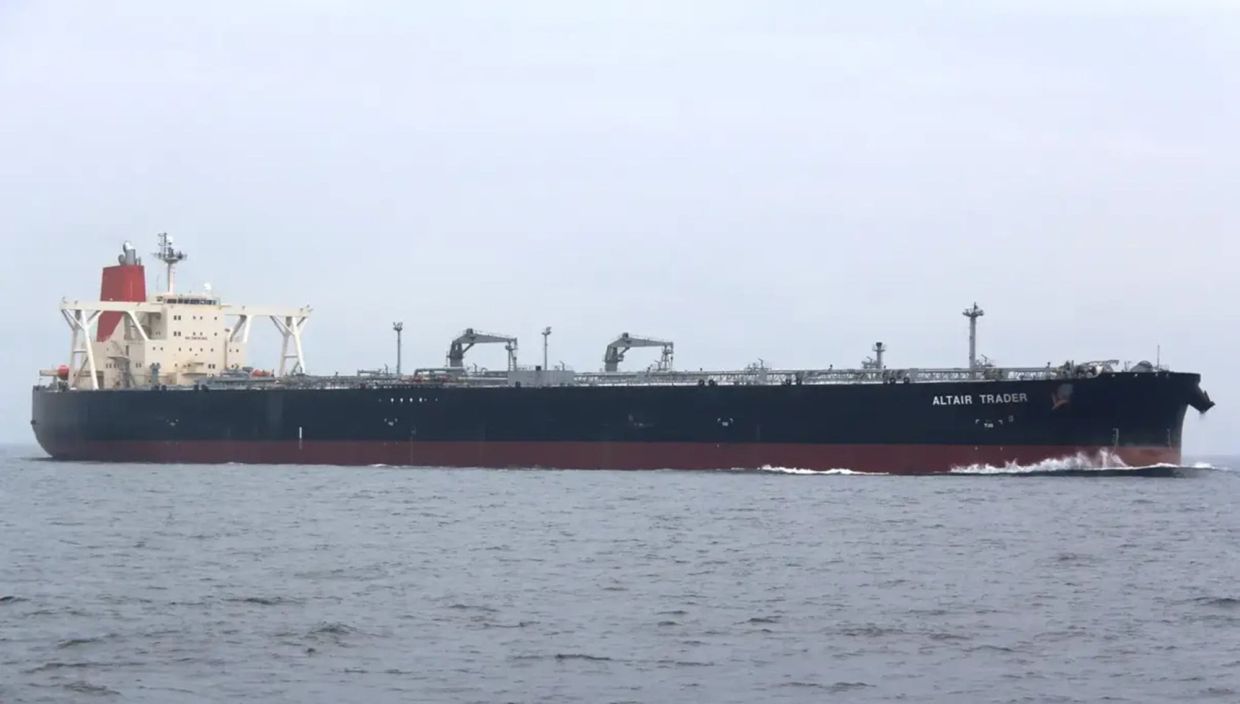
The United States widened its enforcement actions against Iran's oil trade this week by designating eight shipping companies based in mainland China and Hong Kong as sanctions violators. The move represents an escalation in Washington's long-running effort to disrupt Tehran's ability to export crude and petrochemical products, particularly to Asian markets where demand remains strong despite international restrictions. By targeting the companies that operate the vessels themselves rather than just the cargo owners, the American government is applying pressure directly to the logistics infrastructure that enables these shipments to reach their destinations.
According to the US Treasury Department, six of the eight flagged vessels specifically transported Iranian crude to China, with some carrying millions of barrels throughout 2026. The shipments represent a critical revenue stream for Iran's government at a time when its economy faces severe challenges. The designations effectively freeze any assets these companies hold within American jurisdiction and prevent US persons and entities from conducting business with them. Beyond direct American enforcement, foreign banks and other institutions risk secondary sanctions exposure if they facilitate transactions involving the targeted firms, creating a chilling effect on global financial participation in these oil trades.
The State Department explicitly connected these economic measures to America's naval enforcement strategy in the region. A State Department spokesman stated that the designations support the US Navy's blockade of Iranian ports and coastlines, framing the action as part of a coordinated military and financial campaign. This linkage underscores how Washington views sanctions and naval operations as complementary tools for constraining Tehran's activities. The spokesman also emphasised that protecting navigational rights in regional waterways represents a broader global interest, positioning American actions as serving international commerce rather than purely unilateral objectives.
Among the sanctioned companies, Qi Hang Ship Management Limited based in mainland China owns and operates the Marshall Islands-flagged Well Sail, which carried hundreds of thousands of barrels of Iranian petroleum products to the United Arab Emirates. Meanwhile, Hong Kong-based firms including Confident Apex Limited, Billion Nexus International, Nevada Spirit Company, and Marinova Freight each operated vessels that transported significant volumes of Iranian crude to China since 2025 or earlier. Another entity, Vast Mighty Limited, jointly registered in Hong Kong and the Marshall Islands, allegedly moved millions of barrels to China during the current year. The Treasury Department also identified two additional vessels managed by Marshall Islands-registered companies that shuttled hundreds of thousands of barrels to China throughout 2026.
Beyond targeting the shipping operators themselves, Washington also designated two Iranian companies accused of running what amounts to an insurance extortion scheme targeting international vessels transiting the Strait of Hormuz. The Persian Gulf Marine Insurance Company and the Hormuz Safe Marine Services Authority purportedly compel commercial ships passing through this critical waterway to purchase maritime insurance policies against risks that Washington contends Iran itself manufactures. Hormuz Safe, developed by Iran's Ministry of Economy, offers insurance, traffic control, and security services while generating revenue for the Islamic Revolutionary Guard Corps, according to Treasury findings. The scheme notably accepts cryptocurrency including bitcoin as payment, enabling Iran to circumvent traditional financial monitoring.
China's government swiftly rejected the American allegations and accused Washington of weaponising sanctions against legitimate commercial activity. A spokesman for the Chinese embassy in Washington characterised the country's cooperation with Iran as transparent and lawful, deserving of international respect. He asserted that Beijing would vigorously defend its companies against what he described as groundless smears and unwarranted sanctions, signalling that Beijing intends to maintain its economic engagement with Tehran despite American pressure. This stance reflects China's longstanding resistance to unilateral sanctions regimes that it views as infringements on national sovereignty and economic sovereignty.
America's Treasury Secretary framed the Iranian regime as economically desperate, pointing to collapsing growth and triple-digit inflation as motivating factors for maximising oil export revenues. He pledged that Washington would prevent Iran from holding global commerce hostage or using international shipping to finance the Islamic Revolutionary Guard Corps' military and security operations. This characterisation portrays the sanctions campaign as defensive rather than offensive, positioning American actions as necessary responses to Iranian behaviour. The statement reflects a broader narrative within US policy circles that Tehran's government resorts to asymmetrical tactics and sanctions-evasion networks precisely because its economy cannot sustain conventional military or diplomatic competition with the West.
The targeting of Hong Kong-based companies carries additional significance for regional stakeholders. Hong Kong's status as a major international shipping and finance hub has made it attractive for companies seeking to conduct borderline-legal trades, though the city's tighter integration with mainland China in recent years has complicated that role. The inclusion of Hong Kong entities in the sanctions list may indicate American concerns about how the territory facilitates cross-border commerce between China and Iran. For Malaysian and Southeast Asian readers, this development highlights how regional shipping and port infrastructure can become entangled in great power competition, potentially affecting legitimate commercial flows if companies become reluctant to handle cargoes associated with sanctioned jurisdictions.
The insurance scheme targeting represents a particularly creative dimension of Iran's sanctions-evasion strategy. By developing domestic insurance alternatives that accept cryptocurrency, Iran created a mechanism to serve vessels engaged in illicit trades while avoiding exposure to international banking systems that Washington dominates. The fact that this scheme operates under Iranian government ministries rather than purely private actors underscores how thoroughly sanctions evasion has become embedded in Tehran's state apparatus. This approach may appeal to other nations or non-state actors seeking to circumvent financial restrictions, creating a potential template for future sanctions-busting mechanisms.
For the broader Asian and Southeast Asian context, these American enforcement actions reflect Washington's determination to maintain pressure on Iran despite limited international cooperation. Most nations have not joined American sanctions regimes, and many, including China, view them as illegitimate assertions of extraterritorial authority. The targeting of shipping companies based in Hong Kong and mainland China signals that Washington increasingly views Asian commerce as a pressure point in its Iran strategy, potentially affecting Southeast Asian ports and companies that might interact with sanctioned entities. Regional governments must navigate the tension between maintaining relationships with both the United States and China while avoiding entanglement in sanctions violations that could trigger American penalties against their own national institutions.
The State Department's emphasis on protecting navigational freedom in the Strait of Hormuz deserves scrutiny when evaluated against Iran's perspective and regional maritime realities. Iran views the strait as its territorial waterway and resents what it characterises as illegitimate foreign military presence. The insurance scheme, from Tehran's view, represents compensation for security services and infrastructure maintenance, not extortion. However, Washington's argument that Iran manufactures risks it then charges to resolve reflects genuine friction over how responsibility for regional security should be distributed and financed. This fundamental disagreement over regional order and liability will likely persist regardless of individual sanctions designations.
China's response indicates that Beijing will not abandon its economic relationships with Iran despite American pressure. Beijing has constructed numerous mechanisms to evade or minimise sanctions impact, including the use of sophisticated shipping networks, digital currencies, and intermediary companies registered in jurisdictions beyond direct American reach. The sanctioning of Chinese and Hong Kong companies may disrupt specific trading routes or require operational restructuring, but appears unlikely to fundamentally alter the calculus driving Sino-Iranian trade. From a broader perspective, these enforcement actions illustrate the limits of American sanctions power when major trading partners like China refuse compliance, even as they demonstrate Washington's capacity to impose costs and complicate transactions.

