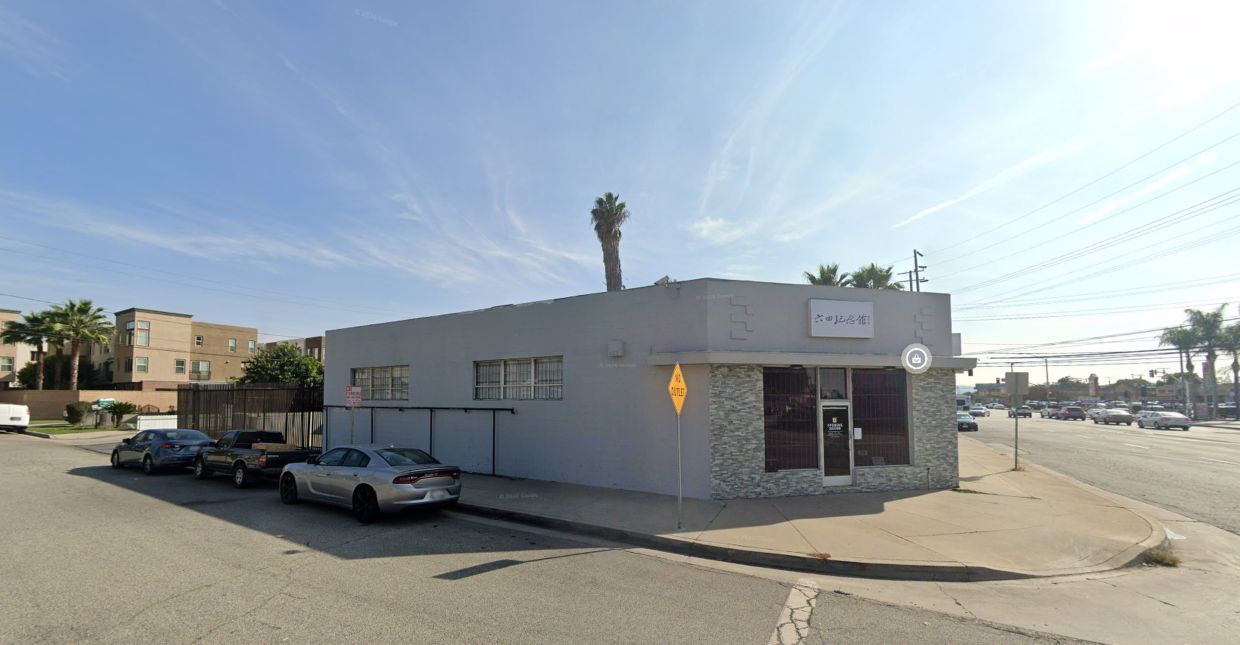
Two prominent Republican lawmakers have formally asked the US Justice Department and FBI to conduct a comprehensive investigation into a break-in at the June 4th Memorial Museum in El Monte, California, alleging the incident may have involved coercion connected to Beijing. John Moolenaar, chairman of the House Select Committee on China, and Christopher Smith, co-chairman of the Congressional-Executive Commission on China, delivered their three-page letter to federal authorities on Thursday, framing the museum vandalism as potentially part of a broader pattern of transnational intimidation against Chinese diaspora communities in America.
The break-in occurred on May 31, just days before commemorations marking the 35th anniversary of the Tiananmen Square crackdown in 1989. According to statements posted on the museum's website, unidentified individuals spray-painted walls and exhibits, damaged property, and deliberately disabled the facility's security systems. Photographs circulating online depicted single lines of orange paint across framed newspaper clippings and related historical displays. The museum's management issued a defiant public response, stating it would not be intimidated despite what it characterised as clear elements of threat and coercion, while committing to pursue legal action against those responsible.
The June 4th Memorial Museum, established as a non-profit entity in 2023, represents one of the few permanent institutions in North America dedicated to documenting and preserving the historical record of the Tiananmen incident. The facility was originally based in New York before relocating to Los Angeles in a cost-saving move. Its funding model has relied heavily on grassroots support, with an online artist collective reporting that it had raised US$500,000 towards an initial target of US$2 million through crowdsourced donations and civil society contributions. The museum's modest financial footing underscores both its vulnerability and the determination of its supporters to maintain a space for historical memory despite resource constraints.
In their formal request to federal authorities, Moolenaar and Smith urged the Justice Department's National Security Division and the FBI's Los Angeles Field Office to work alongside local police to determine whether the attack was orchestrated, encouraged, funded, or carried out by individuals acting on behalf of or at the direction of the Chinese Communist Party or the People's Republic of China government. The language in the letter reflects growing concern among US policymakers about what they perceive as an escalating campaign of transnational repression targeting Chinese exiles and diaspora activists operating within American territory. This framing has become increasingly central to US-China relations discussions in Congress.
The museum itself suspected the incident represented an instance of transnational repression, though it provided no substantiating evidence in its public statements. El Monte police have opened a formal case and initiated an investigation, with museum officials noting they had obtained certain clues and points of suspicion while pledging full cooperation with law enforcement to resolve the matter expeditiously. However, at the time of reporting, neither the El Monte police department nor the Justice Department had responded to requests for information about the status or scope of any investigation.
The timing and nature of the vandalism carries symbolic weight beyond the immediate incident. For Chinese diaspora communities across Southeast Asia and North America who fled or were forced to leave mainland China due to political persecution, such institutions represent rare opportunities to maintain historical narratives that Beijing actively suppresses. The Tiananmen Square incident remains one of the most heavily censored topics within China itself, with references removed from textbooks, search engines, and public discourse. Museums like the one in El Monte therefore serve as repositories of memory for communities separated from their homeland.
Beijing has consistently rejected criticism from US Congressional bodies, dismissing them as political instruments lacking credibility and driven by Cold War thinking and ideological prejudice. The Chinese embassy in Washington did not immediately respond to requests for comment regarding the museum break-in, maintaining the government's typical stance toward what it views as interference in domestic political matters. This pattern of non-engagement contrasts sharply with China's vocal objections to other Congressional initiatives related to human rights and political freedoms.
The House Select Committee on China, established in January 2023, has become an increasingly influential voice in shaping Congressional approaches to Beijing. With a focus on economic and security competition between the United States and China, the committee operates with significant resources and authority to investigate matters it deems relevant to national interests. The Congressional-Executive Commission on China, meanwhile, traces its origins to 2000 and was explicitly created to monitor human rights and rule of law conditions when Beijing joined the World Trade Organization. While neither body possesses the authority to propose legislation, both can conduct investigations, submit policy recommendations, and advise Congress on strategic matters.
For Malaysian readers and observers across Southeast Asia, the incident underscores the intensifying pressure points in US-China relations that increasingly affect the region. Chinese diaspora communities throughout Southeast Asia face similar pressures and restrictions, making this case study relevant to understanding broader patterns of state influence and control extending beyond mainland borders. The museum break-in and subsequent Congressional response illustrate how historical memory and commemoration have become contested territory in geopolitical competition, with implications for freedom of expression and assembly in diaspora communities throughout the Asia-Pacific region.
The incident also highlights how activism and commemoration related to sensitive Chinese political history has become increasingly risky for overseas communities. Museums, cultural organisations, and civic groups dedicated to preserving alternative historical narratives face potential vulnerability, whether through direct action or other pressure mechanisms. This reality shapes how diaspora communities in Malaysia, Singapore, and throughout Southeast Asia approach historical documentation and public commemoration, often requiring careful navigation of both local regulations and transnational political sensitivities.

