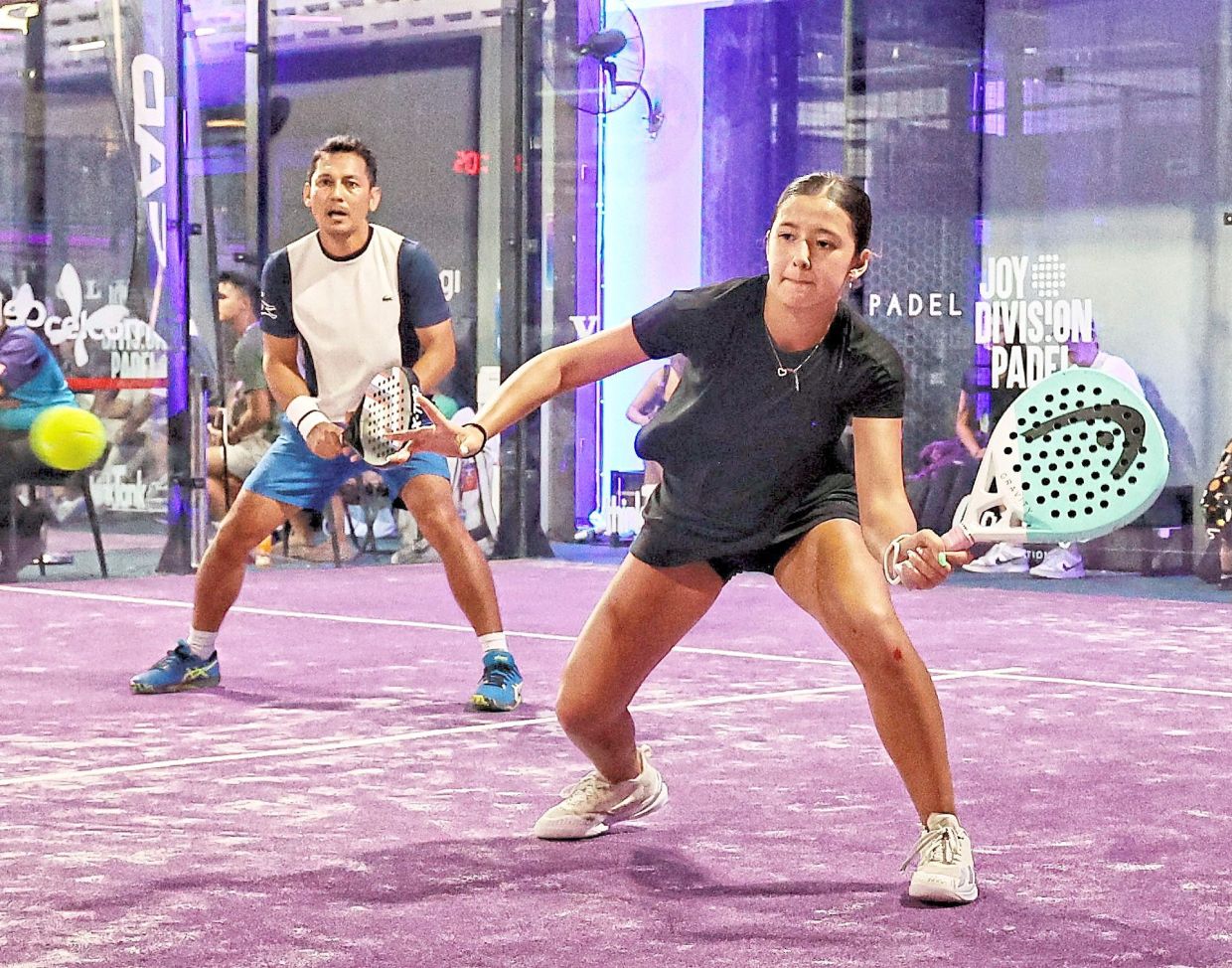
Recreational sports culture across Malaysia's major cities is undergoing a visible transformation, with padel courts sprouting from converted warehouses to shopping mall rooftops and fitness activities moving beyond traditional gym walls into community spaces. The shift represents a fundamental change in how urban Malaysians—particularly office workers in their 30s to 50s—are choosing to spend their free time, moving away from sedentary evening routines towards activities that blend physical challenge with social engagement. This boom extends across multiple disciplines, from the rapid growth of pickleball clubs reclaiming old badminton courts to the explosive expansion of reformer Pilates studios with months-long waiting lists and the resurgence of running communities that were struggling to maintain momentum just half a decade ago.
The scale of this transformation became evident when Malaysia's first Hyrox event was confirmed for December 12 and 13 at the Malaysia International Trade and Exhibition Centre (MITEC) in Kuala Lumpur. Hyrox, a hybrid fitness competition merging eight one-kilometre runs with eight functional workout stations including sled pushes, rowing and wall balls, has captured the imagination of competitive fitness enthusiasts across Asia. The Singapore edition's tickets sold out within minutes of release, signalling intense regional demand and suggesting the Kuala Lumpur event will attract similar enthusiasm from Malaysian participants seeking structured challenges that blend endurance with functional strength.
Investor capital is flowing aggressively into the quantified fitness ecosystem, with Finnish wearable company Oura filing confidentially for a United States listing at a valuation near US$11 billion (RM45.6 billion), backed by sales exceeding 5.5 million smart rings tracking sleep, heart rate and recovery metrics. The company projects revenue close to US$2 billion (RM8.3 billion) for the current year, reflecting the mainstream adoption of personal biometric monitoring. Competitor Whoop, which produces a screenless fitness strap, secured US$575 million (RM2.39 billion) in funding this March at a valuation of US$10.1 billion (RM41.9 billion), demonstrating that venture capitalists view these companies not as gadget manufacturers but as health platforms capable of generating recurring subscription revenue from fitness-conscious consumers.
Several factors explain this recreation revolution among Malaysian urbanites. A decade-long exodus from social media doomscrolling has prompted many professionals to recognise that extended phone use degrades rather than enhances their wellbeing, while hours spent on sports courts consistently elevate mood and energy levels. Padel and pickleball specifically thrive on low barriers to entry combined with the inherent sociability of doubles play—formats that permit players to prioritise enjoyment over competitive intensity while building community bonds. Running clubs and gym collectives have replaced the traditional kopitiam as gathering spaces for a generation consuming less alcohol and increasingly working remotely from home, creating a need for structured offline socialisation that simultaneously improves fitness.
The quantification dimension creates a powerful feedback loop that sustains participation. Once sleep quality and training strain become measurable quantities displayed on a personal device, abstract fitness aspirations transform into concrete, trackable habits. The psychological impact cannot be overstated: monitoring data provides daily reinforcement and visual evidence of improvement, motivating users to maintain consistency in ways that untracked exercise routines struggle to achieve.
From a public health perspective, Malaysia's fitness surge addresses a genuine national crisis. More than half of Malaysian adults carry excess body weight or obesity, while diabetes, hypertension and cardiovascular disease devastate family finances and strain healthcare infrastructure nationwide. Regular physical activity remains medicine's most cost-effective intervention, lowering blood pressure, enhancing insulin sensitivity, elevating mood, preserving cognitive function and extending healthy life expectancy. In resource-constrained systems like Malaysia's, any population-level shift towards preventive activity represents substantial savings for future healthcare budgets.
However, orthopaedic and sports medicine specialists throughout the country are identifying a troubling pattern emerging directly from the recreation boom: acute injuries among weekend athletes accelerating their training without appropriate physiological preparation. The archetypal case involves desk-bound professionals aged 40 to 55 who discover padel or commit to a Hyrox race with friends, then escalate to four training sessions weekly within four weeks. While cardiovascular and respiratory systems adapt rapidly to sudden intensity increases, the connective tissues supporting movement—tendons, ligaments and cartilage—require months of gradual loading to strengthen and respond poorly to sudden volume spikes. This mismatch between psychological enthusiasm and tissue resilience creates predictable injury cascades.
The injury profile emerging from these sports reflects their biomechanical demands. Padel and pickleball require explosive lateral lunges, rapid directional shifts and overhead striking motions, placing extreme stress on the lower leg and shoulder. Medical facilities increasingly treat calf tears, Achilles tendon ruptures, knee ligament injuries and rotator cuff problems in previously sedentary players who underestimated the musculoskeletal preparation required. The American investment bank UBS estimated that pickleball injuries alone would impose between US$250 million (RM1.04 billion) and US$500 million (RM2.07 billion) in annual medical costs in the United States, with the greatest incidence occurring among players exceeding 60 years old—projections that carry sobering implications for ageing populations adopting these activities.
Malaysia's healthcare system faces distinct challenges adapting to this injury burden. Public hospitals already operating near capacity lack specialised sports medicine infrastructure in most regions outside Kuala Lumpur, forcing provincial patients seeking proper rehabilitation towards private practitioners at significant expense. The financial accessibility crisis extends to prevention: proper pre-season conditioning programmes and biomechanical assessments remain luxuries unavailable to recreational athletes in suburban and rural communities who would benefit most from professional guidance before intensive training begins.
The pathway forward demands balancing enthusiasm against injury prevention through evidence-based progression protocols. Medical professionals must communicate effectively that fitness improvements require temporal accumulation—that building from sedentary to four weekly sessions demands eight to twelve weeks of gradual intensity escalation, not four. Fitness facilities and sports clubs should consider embedding injury prevention education into membership onboarding, providing resources about appropriate training progression and the specific risk factors associated with each activity. Wearables manufacturers could enhance their platforms by incorporating fatigue warnings and overtraining alerts, using the same biometric data they already collect to guide users towards sustainable training loads.
From a public health standpoint, Malaysia's recreation boom represents tremendous progress that should be sustained and refined rather than discouraged. The cultural shift away from sedentary consumption and towards community-based physical activity addresses fundamental health challenges while improving mental wellbeing and social cohesion in increasingly atomised urban environments. Yet realising these benefits while minimising injury-related setbacks requires honest conversations between medical professionals, fitness providers and enthusiasts about the distinction between enthusiasm and readiness, and the irreplaceable value of methodical, evidence-informed training progression.

