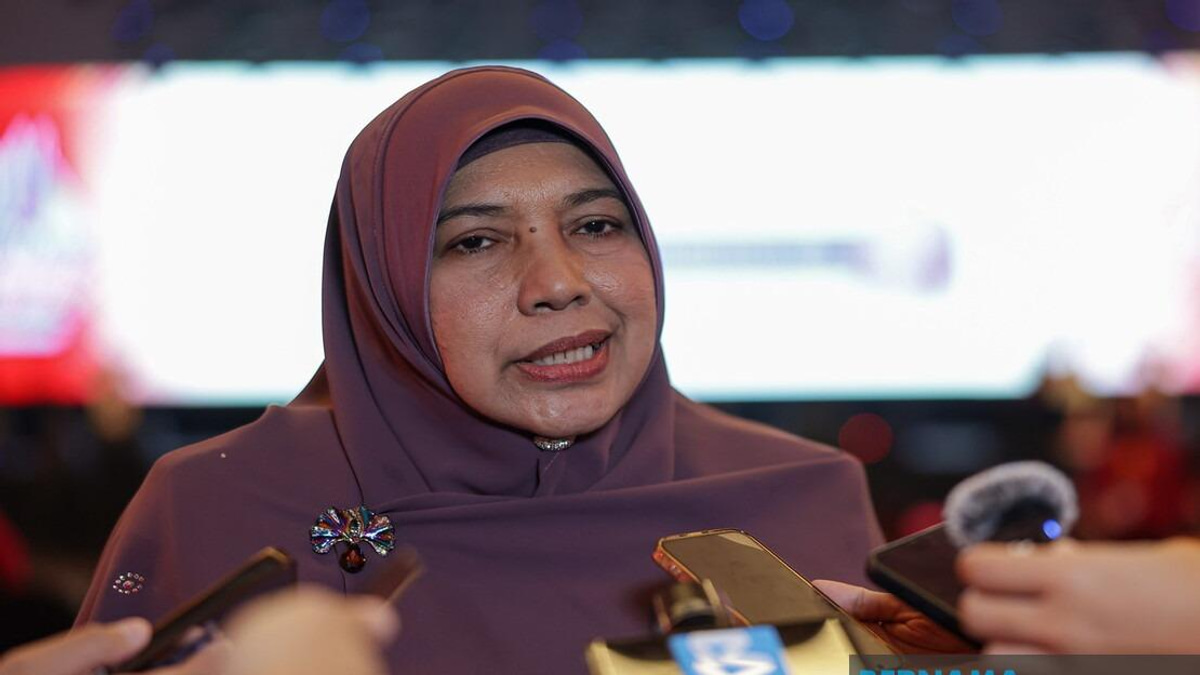
The United Kinabalu Progressive Organisation has officially become the latest addition to Sabah's ruling coalition, Gabungan Rakyat Sabah, marking a significant consolidation of political forces in Malaysia's easternmost state. The party's accession was formally announced following the official receipt of its membership application, with UPKO president Datuk Ewon Benedick—who also serves as Sabah's Deputy Chief Minister—issuing a statement pledging the party's full cooperation in advancing the coalition's agenda for state development and governance.
Ewon's commitment reflects UPKO's strategic alignment with Hajiji Noor's administration at a time when maintaining political cohesion in Sabah remains a priority for both the state and federal governments. The Deputy Chief Minister emphasised that UPKO's integration into GRS represents a natural progression, given that the coalition comprises exclusively Sabah-based political parties rather than peninsula-based organisations. This distinction carries particular weight in Sabah's political culture, where locally rooted parties are often seen as better positioned to champion the state's distinctive interests and constitutional position within Malaysia.
The Malaysia Agreement 1963, which forms the constitutional foundation of Sabah's relationship with the Federation, frequently features in local political discourse, and Ewon invoked this agreement as a key reason why indigenous Sabah parties should lead the state's development trajectory. His statement underscores a recurring theme in Sabah politics: the importance of protecting state autonomy and ensuring that policy decisions reflect the unique circumstances and aspirations of Sabahans rather than priorities dictated from Kuala Lumpur. For many voters in the state, this commitment to local stewardship versus external influence remains a crucial electoral consideration.
With UPKO's formal entry, GRS now comprises six component parties, a roster that includes Parti Gagasan Rakyat Sabah, Parti Bersatu Sabah, Parti Liberal Demokratik, Parti Harapan Rakyat Sabah, and Parti Cinta Sabah. This expansion consolidates the coalition's control over the state legislature and reinforces its capacity to form stable governments while managing diverse internal interests. The broader implication is that GRS has succeeded in drawing together most of Sabah's major political players under one umbrella, reducing fragmentation that could otherwise complicate legislative proceedings or executive decision-making.
Ewon's appeal for Sabahans to unite behind GRS's stated vision—Sabah First, Sabah Prosper, Sabah United—represents an attempt to frame the coalition as more than a mere arrangement of political elites seeking power and patronage. Instead, it positions GRS as an instrument for pursuing shared developmental objectives that transcend party rivalry. Whether such aspirational messaging resonates with ordinary voters, particularly in constituencies where economic hardship and service delivery challenges persist, remains an open question. Political unity at the leadership level does not automatically translate to improved governance outcomes or enhanced public satisfaction.
The timing of UPKO's accession also warrants consideration within the broader context of Malaysian politics. Sabah's political landscape has historically been volatile, with party-switching, coalition realignments, and factional disputes occurring with relative frequency. GRS itself is a relatively recent formation, and each new component party joining the coalition signals a degree of confidence in its durability and effectiveness as a governing vehicle. For UPKO specifically, the decision to formally integrate into GRS likely reflects calculations about maintaining political relevance and securing access to state resources and development allocations that come with being part of the ruling coalition.
Chief Minister Hajiji's role as GRS chairman and his acceptance of UPKO's membership highlighted by Ewon underscores the personalised nature of Sabah's political networks. Individual relationships between party leaders often matter as much as organisational structures or policy platforms. Hajiji's leadership of both the state government and the coalition places him in a pivotal position, making his approval effectively a gateway for prospective member parties. This concentration of influence within a single individual, while common in Malaysian politics, carries risks if leadership changes occur or if internal coalition tensions erupt.
From a Southeast Asian perspective, Sabah's political developments warrant attention because the state's stability and governance capacity have implications for the region's broader stability. As a border state with maritime boundaries involving multiple claimants and strategically important sea lanes, Sabah's internal cohesion and effective administration contribute to regional order. A fragmented political landscape or weak governance can create space for disputes or external interference that destabilises not only Sabah but the surrounding region.
For Malaysian readers beyond Sabah, the consolidation represented by UPKO's accession illustrates broader trends in contemporary Malaysian politics: the tendency toward coalition building and the concentration of political power among established players. GRS's capacity to attract and retain component parties suggests that voters and party members perceive the coalition as a viable and beneficial political home. Whether this translates into superior governance outcomes or merely represents a reconfiguration of power-sharing among elites remains to be demonstrated through concrete policy implementation and delivery of public goods.
The stated commitment to strengthening GRS and advancing Sabah's development under Hajiji's leadership will be tested in the months and years ahead. UPKO's members will expect tangible benefits from their party's closer integration into the governing coalition, whether through ministerial positions, committee assignments, or enhanced resource allocation to constituencies represented by UPKO assemblymen. Managing such expectations while maintaining coalition harmony constitutes a significant challenge for GRS leadership, particularly if economic conditions deteriorate or public services deteriorate.