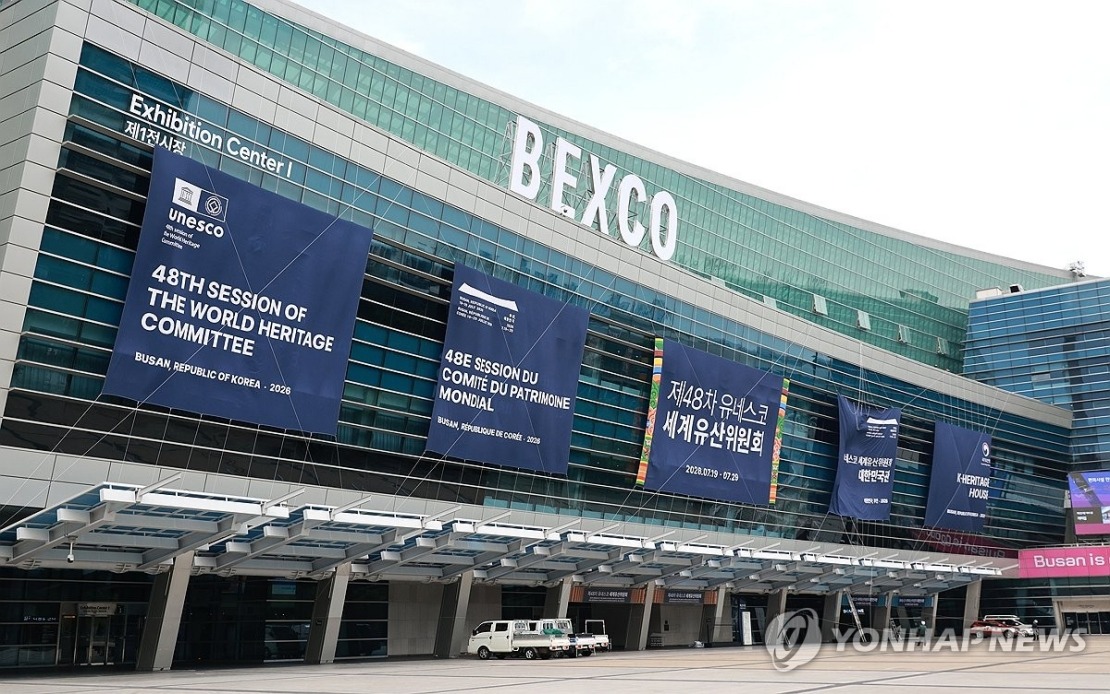
The port city of Busan will become the epicentre of global heritage conservation efforts this week as the UNESCO World Heritage Committee opens its annual gathering at the Busan Exhibition and Convention Centre, marking a watershed moment for South Korea's role in international cultural stewardship. The 10-day session represents the first occasion the committee has convened within South Korean territory since the nation's accession to the UNESCO World Heritage Convention three decades ago, underscoring Seoul's growing prominence in shaping global heritage policy.
The assembly will draw an anticipated 3,000 participants representing an expansive coalition of stakeholders in cultural preservation. Attendees will include delegates from all 196 UNESCO member states, alongside representatives from international bodies and civil society organisations committed to the conservation of humanity's most precious cultural and natural treasures. This gathering of representatives reflects the universal significance of heritage protection in an era when sites face mounting pressures from climate change, urban development, and geopolitical instability.
The calibre of institutional leadership attending underscores the session's importance within UNESCO's governance structure. UNESCO Director-General Khaled El-Enany will chair proceedings alongside Assistant Director-General for Culture Nayef Al-Fayez and Lazare Eloundou Assomo, who directs the World Heritage Centre. Their presence signals the organisation's commitment to substantive deliberation on the strategic direction of global heritage protection mechanisms and emerging challenges confronting inscribed sites worldwide.
As the principal decision-making apparatus within UNESCO's heritage framework, the World Heritage Committee shoulders considerable responsibility for determining which new locations merit inscription on the prestigious World Heritage List. The committee's annual convocation has become an eagerly anticipated event for nations seeking international recognition of their most significant cultural and natural landmarks, with inscription conferring both prestige and access to conservation funding. The nomination review process itself generates substantial diplomatic activity, as countries lobby for support and advance their cases for heritage recognition.
Beyond evaluating fresh nominations, the committee undertakes systematic monitoring of sites already designated as World Heritage properties. This surveillance function proves essential in identifying locations experiencing deterioration, environmental degradation, or threats from conflict, development pressures, or inadequate management. Such assessments inform technical assistance programmes and may trigger international conservation initiatives when a site faces critical jeopardy. In recent years, this monitoring role has become increasingly vital as climate-related threats intensify across vulnerable regions and sites face novel pressures from tourism overload and infrastructure expansion.
The broader policy discussions emerging from the committee's deliberations shape the philosophical and practical underpinnings of global heritage protection for years ahead. These conversations address foundational questions about which categories of cultural and natural sites warrant designation, how diverse communities participate in heritage management, and how conservation strategies balance preservation with sustainable development aspirations in economically vulnerable nations. For Southeast Asian countries like Malaysia, which boasts several World Heritage sites including the Georgetown Historic Enclave and Melaka Historic Town, these policy frameworks directly influence conservation approaches and access to technical expertise.
South Korea's hosting of this pivotal gathering carries symbolic weight extending beyond administrative logistics. The nation's selection as venue reflects international confidence in its governance capacity and heritage preservation commitment, particularly given its successful stewardship of multiple World Heritage designations spanning Buddhist temples, royal burial mounds, and celadon pottery traditions. The decision simultaneously positions South Korea as a consequential voice in heritage protection governance, enhancing its diplomatic standing within UNESCO's institutional structures.
The timing of this assembly arrives as the global heritage protection regime grapples with mounting complexities. Rising numbers of nominations compete for limited inscription slots, climate impacts threaten numerous sites particularly in developing regions, and tensions persist between conservation imperatives and development demands in economically pressured nations. The committee must navigate these competing pressures while maintaining the World Heritage List's credibility and universal resonance. Regional considerations loom large, as Asia accounts for a substantial and growing proportion of nominations, reflecting the continent's vast cultural and natural diversity alongside expanding economic resources for heritage promotion.
For Malaysia and its Southeast Asian neighbours, the Busan gathering offers opportunities to influence international heritage norms and potentially advance nominations for sites awaiting committee consideration. The session may also illuminate evolving thinking on heritage management practices, community engagement strategies, and climate adaptation frameworks that smaller nations can adopt. Active participation in such multilateral forums enables regional countries to strengthen conservation networks, access technical assistance, and ensure their heritage preservation interests receive consideration alongside those of wealthier, more diplomatically prominent states.
The committee's deliberations over the coming days will generate decisions affecting heritage site designations, conservation resource allocation, and policy direction for international preservation efforts. As climate pressures intensify and development threats mount globally, the frameworks debated in Busan will establish parameters for protecting irreplaceable cultural and natural legacies. South Korea's stewardship of this consequential gathering demonstrates the nation's commitment to heritage preservation while establishing precedent for future committee sessions potentially held elsewhere in Asia, a region increasingly central to UNESCO's heritage protection mission.

