The United Nations Secretary-General Antonio Guterres has made an urgent call for all parties involved in the escalating Persian Gulf crisis to cease military operations immediately and return to the negotiating table. Speaking through his spokesperson Stephane Dujarric in Istanbul on Sunday, Guterres expressed profound alarm at the deteriorating security situation, which has seen a succession of maritime attacks, cross-border strikes, and tit-for-tat military responses that threaten to spiral beyond the region's borders.
The UN chief identified a troubling pattern of recent incidents that has pushed regional tensions to precarious levels. Iranian assaults targeting commercial vessels navigating the Strait of Hormuz, retaliatory American military strikes directed at Iranian interests, and subsequent Iranian attacks on infrastructure in neighbouring territories have created a dangerous cycle of provocation and counter-provocation. Each episode carries the risk of triggering a wider conflagration that could engulf the entire Middle East and destabilize global security arrangements.
Guterres emphasised that the current trajectory is unsustainable and incompatible with international law and the principles of the United Nations Charter. He called on all regional and international actors to exercise extraordinary restraint and avoid actions that could be interpreted as further escalation. The UN chief stressed that military solutions cannot resolve the underlying political and diplomatic differences between the parties, and that only dialogue offers a pathway to lasting stability.
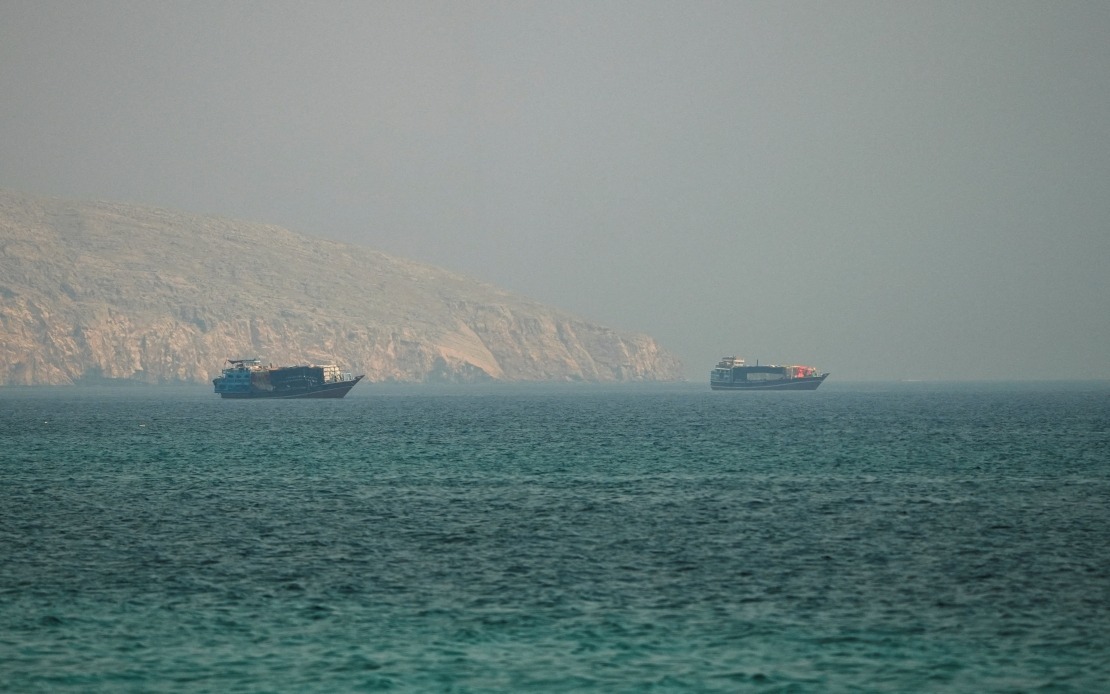
A particularly acute concern for the international community is the jeopardy facing one of the world's most critical shipping corridors. The Strait of Hormuz serves as the vital artery through which approximately one-third of global maritime petroleum trade flows, making disruptions to shipping lanes a matter of planetary economic consequence. Guterres underscored the importance of restoring full freedom of navigation through these waters, warning that prolonged instability could trigger energy price shocks affecting economies far beyond the Middle East, including Southeast Asian nations heavily dependent on Gulf oil and gas.
For Malaysian readers and policymakers, the implications of sustained Gulf tensions are particularly significant. Malaysia's position as a major trading nation with substantial energy imports makes it vulnerable to supply disruptions and price volatility stemming from regional instability. Beyond energy security, Malaysia's position as a maritime nation with extensive shipping interests means that threats to the Strait of Hormuz directly affect the cost and reliability of international commerce. Should military operations expand or maritime security further deteriorate, Malaysian shipping companies and importers could face substantially elevated insurance premiums and delivery delays.
Guterres directed his appeal specifically toward Tehran and Washington, urging both powers to abandon their current confrontational posture and engage in sustained diplomatic negotiations. The UN chief emphasised that both nations possess legitimate security concerns and national interests that can be addressed through dialogue rather than military means. He called for urgent and comprehensive talks aimed at resolving the substantive issues that have driven their rivalry, including nuclear programme concerns, sanctions regimes, and regional proxy conflicts.
The UN Secretary-General warned explicitly that a return to full-scale military hostilities would produce catastrophic ramifications extending far beyond the immediate combatants. Such a scenario would devastate the civilian populations of Iran and other regional states, undermining international peace and security architectures, and triggering severe economic disruption globally. His language reflected the existential gravity with which the United Nations views the current situation and the potential consequences of allowing tensions to continue escalating.
From a strategic perspective, the UN intervention represents an attempt to establish international pressure for de-escalation at a moment when bilateral diplomatic channels between Washington and Tehran appear largely dormant. Guterres is leveraging the UN's convening authority and moral standing to appeal to both parties' rational self-interest, arguing that continued conflict serves neither nation's long-term security objectives and threatens the international rules-based order that all nations depend upon.
Southeast Asian nations, including Malaysia, have a vested interest in supporting international efforts to restore calm to the Persian Gulf. The region's prosperity depends fundamentally on stable, secure, and predictable international shipping lanes and energy markets. Escalating tensions that disrupt these basic requirements create economic headwinds affecting employment, inflation, and growth across the Association of Southeast Asian Nations. Malaysia, as chair of ASEAN, may find itself in a position to amplify the UN Secretary-General's message through regional diplomatic channels, encouraging all parties to prioritise de-escalation and return to negotiations.

