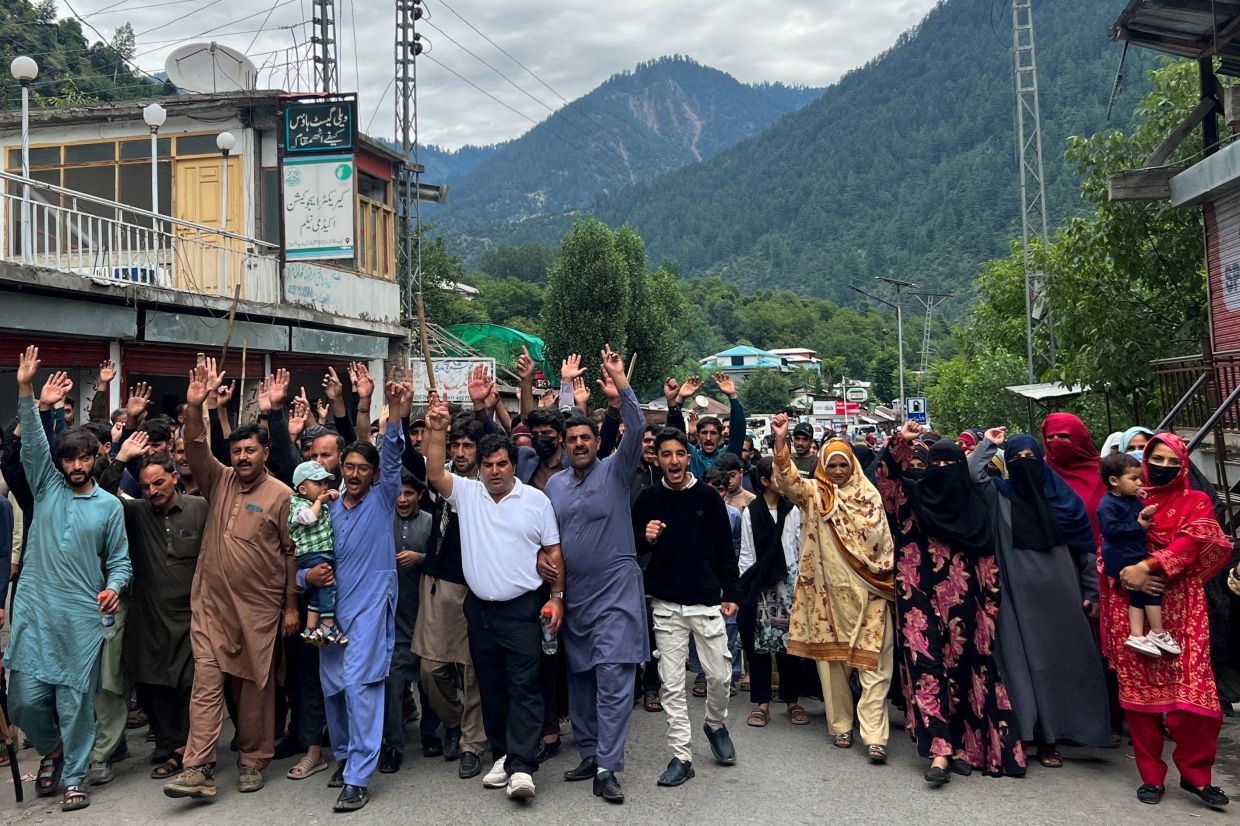
Mounting violence in Pakistan-administered Kashmir has prompted the United Nations to demand impartial investigations into the deaths of dozens of people, including protesters and security personnel, in the lead-up to regional elections on July 27. UN High Commissioner for Human Rights Volker Turk issued the appeal through his spokesman Jeremy Laurence at a Geneva press briefing on Friday, expressing deep concern about the escalating humanitarian toll from civil unrest that has gripped the mountainous territory since June.
The surge in violence represents a significant escalation of political tensions in the contested region, which sits at the intersection of Pakistan's strategic interests and its domestic governance challenges. Since early June, the death toll has climbed steadily as authorities attempt to maintain order while demonstrators press forward with anti-government demonstrations despite a recent ban on the primary protest movement. The timing of this unrest, occurring just days before voters are due to select members of the regional legislative assembly, underscores the fraught political environment and public discontent simmering beneath the surface of Pakistan's administered territories.
The Joint Awami Action Committee, or JAAC, has emerged as the driving force behind the ongoing protests, mobilising supporters around demands for economic reform and improved governance in the region. Despite being designated a banned organisation under Pakistan's anti-terrorism legislation last month, the movement has sustained its demonstrations, suggesting deep-rooted grievances that legal restrictions alone cannot suppress. Pakistani authorities have justified the ban by citing public order and security concerns, though such measures have drawn international scrutiny regarding their compatibility with fundamental democratic principles.
Turk has specifically called for comprehensive, impartial, and timely investigations into all fatalities stemming from the unrest, whether among civilian protesters or among police and security force personnel. This dual focus reflects international concern that violence may have occurred on multiple sides of the conflict, potentially involving excessive use of force by authorities as well as aggressive tactics by demonstrators. The UN's insistence on investigations that include security personnel deaths signals recognition that accountability must extend to all parties, a position that often proves contentious in conflict situations where governments prefer to control narratives around state actions.
The detention of several JAAC leaders has drawn particular criticism from the UN human rights office, which characterised such arrests as potentially infringing on fundamental freedoms. The office expressed alarm at what it termed the criminalisation of civil society activism, warning that restrictions on public gatherings and political expression represent dangerous departures from international human rights standards. These concerns carry weight because they reflect patterns that extend beyond Kashmir, touching on broader questions about civil liberties across Pakistan and throughout South Asia more generally.
Internet restrictions imposed across the territory have compounded concerns about information access and freedom of expression. By limiting connectivity, authorities restrict not only the ability of residents to communicate with the outside world but also impede the dissemination of accurate information during a period of heightened tension. The UN highlighted how such digital shutdowns disproportionately harm the most vulnerable populations and obstruct legitimate civil society activities, particularly troubling when security situations make independent verification of events exceptionally difficult.
The detention of JAAC organisers without guaranteed access to legal counsel and family contact underscores broader procedural concerns that extend beyond the immediate crisis. The UN has explicitly demanded that detained leaders receive fair trial guarantees and due process protections, rights that international law enshrines but which regional authorities do not always respect during emergencies. These procedural concerns matter profoundly because they establish patterns for how governments treat dissent and opposition, setting precedents that affect political culture far beyond any single episode of unrest.
Kashmir's unique status as a disputed territory claimed by both India and Pakistan adds layers of complexity to the unrest. The region's division between the two nations since their independence from British rule remains one of South Asia's most intractable geopolitical issues, with Pakistan's military and political establishment viewing the territory as strategically vital. This military-strategic lens often colours how authorities approach civilian dissent, as protests can be reframed as threats to national security rather than legitimate expressions of public grievance.
The previous eruption of major violence in September of the preceding year, which resulted in at least nine confirmed deaths during police-protester confrontations, demonstrates that current unrest reflects recurring rather than isolated tensions. The cyclical pattern of demonstrations followed by security crackdowns suggests underlying structural problems that periodic military responses cannot resolve. Economic hardship, governance deficits, and political exclusion appear to drive popular discontent, factors unlikely to diminish through enforcement alone.
Turk has advocated for dialogue that moves beyond immediate crisis management to address fundamental issues troubling the local population. This call for inclusive political engagement recognises that sustainable solutions to Kashmir's instability require addressing substantive grievances rather than simply suppressing expressions of discontent. For Malaysian policymakers and observers, the situation illuminates how unresolved political and economic grievances in South Asia periodically erupt into violence, with implications for regional stability and international humanitarian concerns.
The UN's intervention, while procedurally significant, highlights the limited leverage international bodies wield over Pakistan's internal security operations. Nevertheless, sustained international attention and documentation of alleged violations create accountability pressures and constrain the most extreme responses. As elections approach, the international community's scrutiny may influence how authorities balance order maintenance with respect for democratic principles and human rights protections.
For Southeast Asian nations, including Malaysia, the Kashmir situation offers instructive lessons about managing contested territories, accommodating dissent within security frameworks, and balancing national sovereignty with international human rights norms. The challenge of governing disputed regions while respecting democratic expression and civil liberties resonates across a region where multiple territorial disputes and separatist movements remain unresolved.

