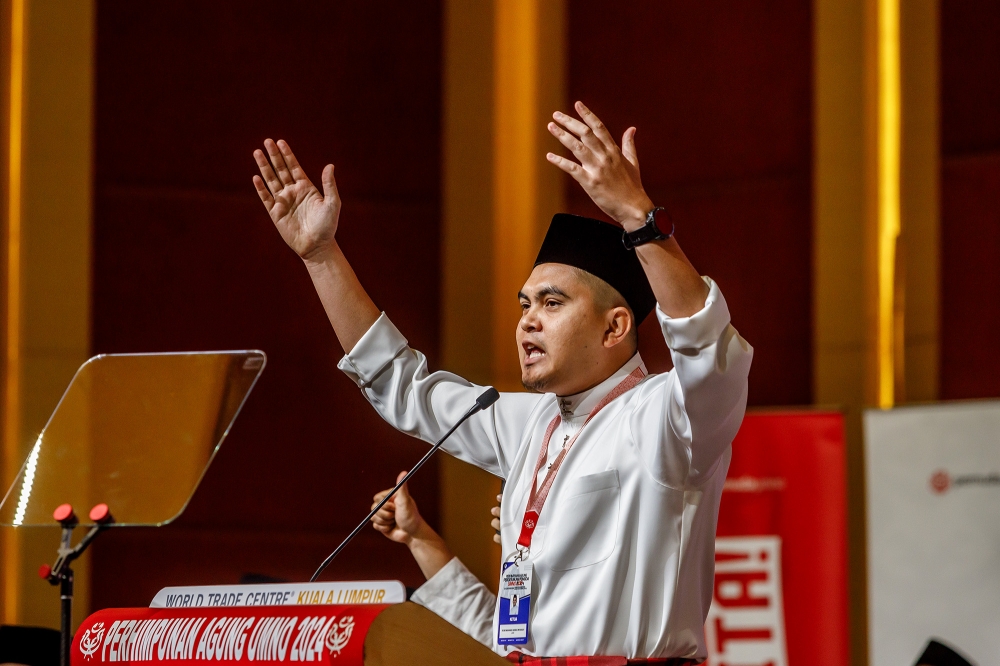
Umno Youth chief Datuk Dr Akmal Saleh has launched a pointed challenge to Pakatan Harapan, questioning the fairness of political standards that appear to apply differently across Malaysia's competing coalitions. Speaking in Kuala Lumpur on July 19, Akmal Saleh suggested that opposition parties are holding Barisan Nasional to criteria they themselves have not embraced, raising concerns about inconsistent governance expectations in Malaysia's political landscape.
The dispute centres on how major coalitions should handle party members who participate in controversial electoral alliances or partnerships. Barisan Nasional has faced significant internal pressure regarding its involvement in various electoral arrangements, with some quarters suggesting that component parties should withdraw from government if they fail to align with coalition standards. Akmal Saleh's intervention represents a direct rebuttal to this narrative, framing it as selective accountability rather than principled governance.
Pakatan Harapan, which currently leads the federal government following the 2022 general election, has maintained various electoral partnerships with state-level allies and smaller parties across Malaysia's complex political mosaic. These arrangements often involve substantive policy compromises and power-sharing agreements that define the coalition's parliamentary majority. By challenging Pakatan to apply identical standards to its own membership, Akmal Saleh is essentially highlighting what he views as hypocrisy in the opposition's approach to coalition discipline.
The broader context involves how Malaysian political coalitions manage their component parties and enforce internal discipline. Barisan Nasional, which governed Malaysia for decades before losing federal power in 2018, has traditionally operated through formal structures governing member party conduct. However, newer arrangements involving cross-coalition cooperation and single-issue partnerships have complicated traditional hierarchies. This structural evolution creates ambiguity about which standards should apply to different types of political relationships.
Umno Youth's challenge also reflects deeper anxieties within the party regarding its political viability in an increasingly fragmented electoral environment. By questioning Pakatan's moral authority to impose standards on Barisan Nasional, Umno Youth is effectively defending the coalition's flexibility in electoral arrangements. This tactical move serves to reframe the debate from one about internal discipline to one about political consistency and fairness in how different coalitions are evaluated by media and civil society commentators.
For Malaysian readers observing this dispute, the underlying issue concerns governance accountability and whether political standards should be universal or coalition-specific. Umno Youth's argument carries a certain logical force: if maintaining electoral alliances is acceptable for Pakatan Harapan, why should it become grounds for Barisan Nasional component parties to withdraw from government? The question exposes genuine tensions in how Malaysians evaluate political conduct across different coalitions, particularly where electoral arrangements involve moral trade-offs or ideological compromises.
Pakatan Harapan's response to this challenge will substantially shape the coming months of coalition politics in Malaysia. The opposition faces the delicate task of defending its own electoral partnerships while maintaining credibility in its demands for governance standards. This dynamic is particularly significant given Malaysia's tradition of coalition-based government, where internal discipline and member party accountability remain central to operational stability and political legitimacy.
The Southeast Asian context also matters here. Regional democracies frequently grapple with similar questions about coalition governance, particularly in countries where large coalitions control narrow parliamentary majorities. Indonesia's experience with complex multi-party coalitions offers instructive parallels regarding how governments manage component party discipline and electoral partnership accountability. Thailand's troubled coalition politics demonstrate the dangers of inconsistent or selective application of governance standards.
Akmal Saleh's intervention represents a calculated political move designed to undermine Pakatan Harapan's moral authority in governance debates. By forcing the government coalition to address its own electoral partnerships with the same intensity that critics examine Barisan Nasional's arrangements, Umno Youth is attempting to shift discussion toward broader questions of political consistency. This strategy acknowledges that Barisan Nasional cannot easily satisfy demands for withdrawal from government, making defensive reframing more valuable than engagement with substantive governance issues.
The medium-term implications for Malaysian politics depend substantially on whether Pakatan Harapan develops coherent responses to these fairness questions. If the government coalition struggles to articulate principled distinctions between its own electoral partnerships and Barisan Nasional's arrangements, it risks appearing hypocritical to independent voters and civil society organisations monitoring political accountability. Conversely, if opposition leaders can successfully explain why their partnerships serve broader public interests while Barisan Nasional's arrangements primarily benefit incumbent parties, they may preserve legitimacy in their governance positions.
Ultimately, Umno Youth's challenge reveals how Malaysian political coalitions remain vulnerable to criticism regarding fairness and consistency. Whether component parties should withdraw from government based on electoral partnership decisions remains contested terrain in Malaysian politics, with different coalitions advancing competing frameworks for when such dramatic measures become necessary. This dispute will likely continue shaping coalition dynamics through the next election cycle and beyond.

