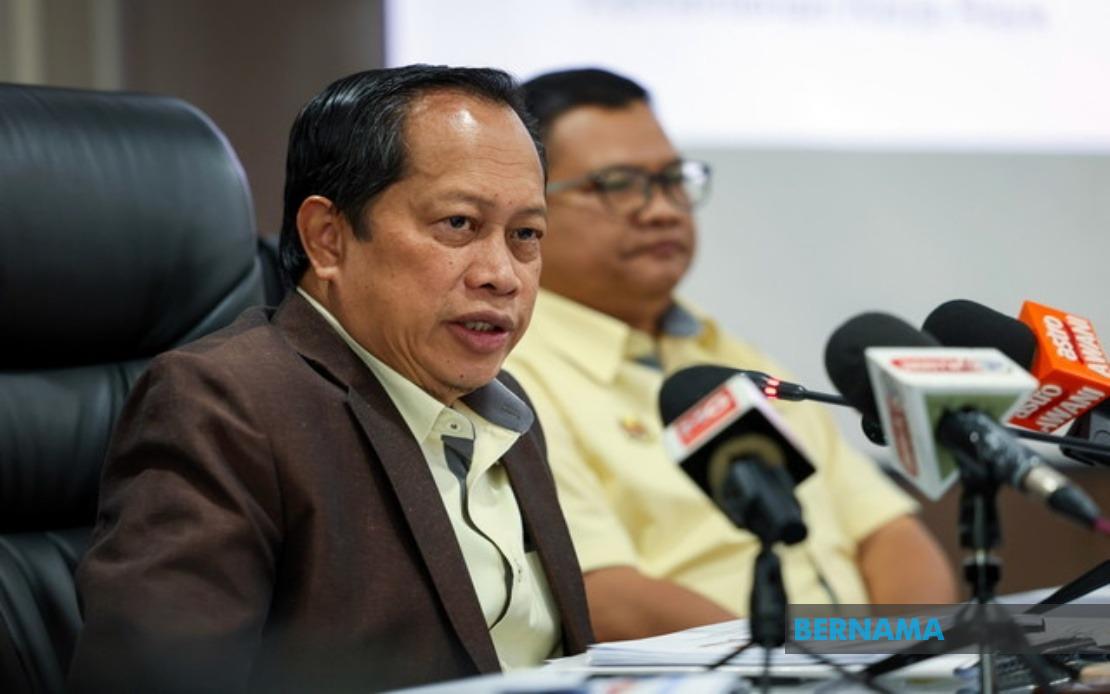
UMNO's senior leadership will gather on August 28 to settle critical questions about the party's electoral direction in Melaka, where the current state government's mandate expires at year-end. The Supreme Council meeting, presided over by party president Datuk Seri Dr Ahmad Zahid Hamidi, represents a crucial juncture as UMNO navigates competing pressures from potential allies and internal party factions seeking clarity on the coalition framework moving forward.
The central issue dominating deliberations concerns whether UMNO will campaign as part of Barisan Nasional's established framework, potentially cooperating with Pakatan Harapan or Perikatan Nasional, or instead pursue an independent electoral strategy. According to Datuk Seri Dr Ahmad Maslan, a Supreme Council member and Deputy Works Minister, no conclusive determination has been reached on these fundamental matters, leaving significant uncertainty about UMNO's positioning just months before the anticipated election.
Recent weeks have witnessed mounting speculation across media outlets and political circles, with various UMNO figures in Melaka publicly discussing potential alignments with different coalition partners. This diffusion of messaging reflects broader tensions within the party hierarchy as different stakeholders advocate for contrasting approaches. Dr Ahmad Maslan's comments underscore how these ongoing discussions remain preliminary rather than authoritative, with the August 28 meeting intended to crystallise party consensus and prevent further public divergence.
The stakes in Melaka carry disproportionate significance for Malaysia's political landscape. The state government currently comprises representatives from both BN and PH—a reflection of the Unity Government arrangement at the federal level—creating a delicate balance that any electoral realignment could fundamentally disrupt. BN currently holds 21 of the 28 state seats following the most recent election, with PH securing five seats and PN claiming two, giving BN commanding numerical superiority yet creating ambiguity about how ruling alliances should evolve.
Melaka's political composition offers instructive lessons about coalition dynamics in Malaysia's contemporary environment. The existing state government demonstrates that cross-coalition cooperation remains operationally feasible, with PH assemblymen represented in the state executive council despite BN's electoral dominance. This practical coexistence at state level mirrors federal-level Unity Government arrangements, yet raises questions about whether such partnerships require renewal through electoral endorsement or can persist through negotiated arrangements.
The August 28 meeting will examine optimal strategies for BN victory while recognising that political approaches must account for distinct circumstances prevailing in different states. This principle acknowledges that nationwide coalition frameworks may require flexible implementation reflecting local conditions, factional strengths, and constituent preferences. In Melaka's case, leaders must weigh whether cooperation with PH strengthens federal-level coherence or whether alignment with PN offers electoral advantages through broader anti-government messaging.
UMNO's deliberation occurs against the backdrop of internal party dynamics that have intensified since recent political realignments. The party requires consensus among disparate factional interests, including traditional establishment figures, younger generation leaders with competing visions, and state-level politicians whose electoral survival depends on optimal coalition positioning. The Supreme Council's authority to determine binding party direction carries weight precisely because competing voices within UMNO must ultimately subordinate to whatever strategic framework leadership endorses.
Dr Ahmad Maslan's emphasis that all party members must respect whatever decision emerges from the August 28 meeting reflects leadership's desire to prevent the kind of public dissent that undermines electoral effectiveness. His insistence that the chosen political approach must suit Melaka's specific context rather than following a rigid national template suggests UMNO leadership recognises that electoral success depends on locally calibrated strategies rather than one-size-fits-all frameworks imposed from Kuala Lumpur.
The Melaka election carries broader implications for Malaysia's coalition politics at a time when the Unity Government faces periodic pressures from both internal disagreements and external opposition movements. How UMNO positions itself in Melaka—whether emphasising BN's historical dominance, doubling down on federal-level Unity Government cooperation, or exploring alternative configurations—will signal UMNO's longer-term strategic preferences to other political players across the country.
With December 31 approaching as the deadline for the state mandate's expiration, the window for election preparations remains compressed. The August 28 Supreme Council meeting must therefore produce not merely theoretical guidance but actionable decisions enabling candidate selection, campaign mobilisation, and coalition negotiations to proceed without delay. Any protracted uncertainty following the meeting would create operational difficulties for on-ground organisational work.
Ultra-compressed timelines have historically motivated Malaysian political parties to prioritise clarity even when underlying disagreements persist. The August 28 meeting represents an opportunity for UMNO leadership to demonstrate decisive governance and party cohesion at a moment when internal factional pressures might instead produce paralysis. How the party navigates this decision will influence not only Melaka's electoral outcome but also perceptions of UMNO's relevance as a coalition partner moving toward what many anticipate will be significant electoral contests within the next electoral cycle.

