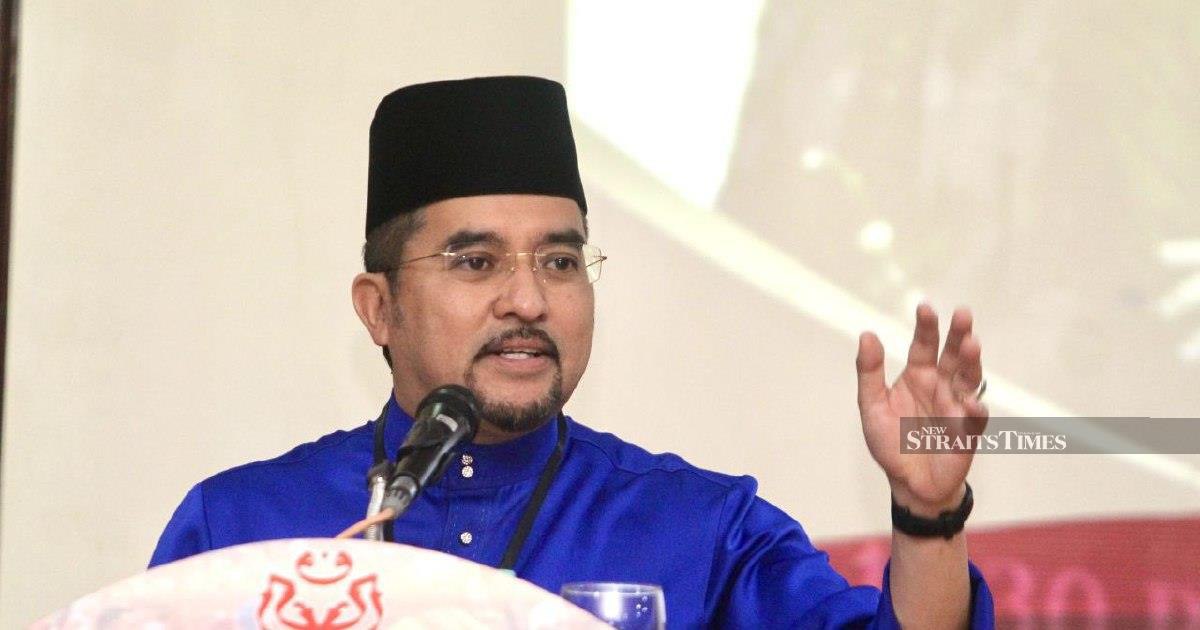
In a firm rebuke to mounting pressure from PKR Youth over seat allocation in the upcoming Melaka election, Umno has drawn a clear line between permissible public advocacy and leadership-level dealmaking. Speaking in Kota Baru, senior party figures made clear that while all coalition partners retain the right to articulate their political interests, the machinery for resolving such disputes belongs strictly in the hands of party leadership. The intervention reflects growing tensions within Pakatan Harapan's coalition structure as state-level electoral contests loom and youth wings increasingly seek influence over seat negotiations.
The crux of the disagreement centres on which party should contest particular constituencies in Melaka. PKR Youth has publicly staked claims to certain seats, effectively attempting to determine the party's negotiating position before formal discussions with Umno have concluded. Umno's response signals discomfort with this bottom-up pressure, viewing it as an attempt to circumvent the established protocol whereby senior party strategists determine how many seats their allies deserve and which constituencies represent reasonable trade-offs. This distinction matters greatly in Malaysian coalition politics, where seat allocation often determines not just electoral viability but ministerial positions and state government configurations.
The Melaka situation encapsulates a recurring tension in multi-party governing coalitions. Grassroots movements within component parties, particularly youth wings, increasingly feel empowered to shape electoral strategy through social media campaigns and public statements. PKR Youth's approach reflects a broader democratization of intra-coalition negotiations, where lower organizational levels challenge the traditional dominance of party presidents and their appointed strategists. However, Umno's resistance suggests that established party hierarchies still resist this shift, viewing grassroots activism on electoral matters as destabilizing and undermining the compromises necessary to maintain coalition stability.
For Malaysian voters and political observers, such disputes carry practical implications. The outcome of these negotiations will determine who stands in Melaka's constituencies and, consequently, which parties gain ground in the state assembly. More broadly, how effectively Pakatan Harapan resolves internal disagreements may influence its electoral performance. Coalition partners that cannot manage their internal tensions present a weaker face to voters and potentially demoralize their own supporters who see public squabbling as evidence of poor governance prospects.
Umno's call for "negotiations among party leaders" implicitly acknowledges that PKR Youth does possess legitimate interests deserving consideration. The dispute is not whether PKR should contest any Melaka seats—that outcome appears predetermined through prior coalition agreements—but rather how many seats and which ones constitute fair distribution. By insisting that only senior figures should conduct these talks, Umno asserts that the complexity and strategic sensitivity of such negotiations exceed what youth wings should manage. Questions of state-level seat allocation touch on federal coalition stability, ministerial appointments, and longer-term power-sharing arrangements that require institutional authority to negotiate.
The timing of this disagreement also matters. As Melaka moves toward electoral contests, window periods for seat allocation discussions narrow considerably. Umno's implicit message to PKR Youth is essentially that premature public staking of claims, while emotionally satisfying and organizationally energizing, actually complicates rather than expedites negotiations. When one party announces its demands publicly, it constrains its own leadership's room to manoeuvre and forces other parties to respond defensively. Contrast this with traditional Coalition negotiations, where party leaders discuss allocations privately, then announce agreed-upon outcomes as accomplished facts that grassroots members accept.
Regional dynamics add another layer to this dispute. Melaka occupies a strategically important position in Malaysian electoral geography and has historically served as a proving ground for political alliances. How Pakatan Harapan manages internal divisions over Melaka may signal to observers in other states whether the coalition can maintain discipline and coherence in upcoming elections. Should PKR Youth succeed in pressuring coalition partners through public campaigns, this establishes a precedent that other youth wings might replicate. Conversely, if Umno's insistence on hierarchical resolution prevails, this reasserts the principle that electoral negotiations happen through institutional channels rather than grassroots mobilization.
The substance of Umno's objection extends beyond mere procedural concerns. The party's reference to not "playing God over sincerity" suggests discomfort with what it perceives as PKR Youth overstating its organizational reach or electoral influence in claiming particular constituencies. This phrasing indicates that Umno views the youth wing's demands as disproportionate to its actual capacity to mobilize votes or contribute to victory. Such assessments, however, often reflect disputes about organizational prestige and internal power distribution as much as electoral mathematics.
For Southeast Asian observers tracking Malaysian coalition politics, this episode illustrates how federal democracies manage internal disagreements without fracturing governing alliances. Neither Umno nor PKR can afford a complete break, as this would destabilize national government. Therefore, even sharp disagreements must be contained and resolved through established institutional frameworks. Umno's firm but non-combative response—asserting its position while acknowledging PKR's right to express aspirations—suggests both parties understand these constraints.
Looking forward, the resolution of the Melaka seat row will likely proceed through quiet bilateral meetings between party presidents and their strategy committees. PKR Youth's public pressure may eventually yield some tactical concessions, but only if senior PKR leadership negotiates these as part of a broader package rather than as capitulations to grassroots demands. This maintains the fiction that seat allocation results from inter-party compromise rather than intra-party pressure, preserving the authority structures that enable coalition governance to function across multiple parties with competing interests and organizational cultures.

