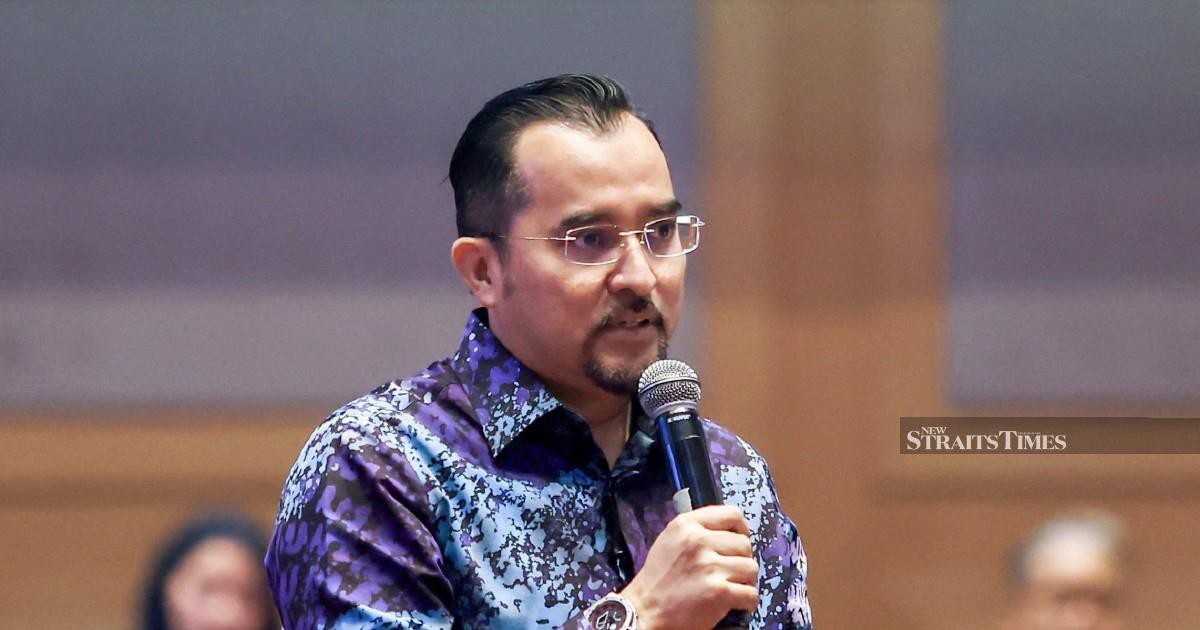
The political fallout from the Lembaga Tabung Haji financial scandal continues to roil Malaysian politics, with Umno's top official now pushing back against assertions that his party has been engaged in a deliberate effort to shield those implicated in the institution's troubles. Datuk Dr Asyraf Wajdi Dusuki, serving as Umno's secretary-general, categorically rejected characterisations of the party's handling of the matter as a theatrical performance designed to protect the guilty.
The TH scandal represents one of Malaysia's most significant governance failures in recent years. The pilgrimage savings institution, which manages the finances of Muslim Malaysians saving for hajj pilgrimages, faced serious accusations of mismanagement and financial irregularities that compromised billions of ringgit in deposits belonging to vulnerable savers. The revelation of these failures sparked public outrage and demands for comprehensive accountability, with many Malaysians questioning how such a critical institution could deteriorate without adequate oversight or intervention.
Dr Asyraf's denial comes amid persistent criticism from opposition parties, civil society organisations, and segments of the Malaysian public who view the government's response as insufficient. Critics have suggested that because several individuals implicated in the scandal maintained connections to Umno, the party wielded its political influence to minimise consequences for those involved. This perception has been compounded by assertions that certain investigations proceeded at a measured pace rather than with the urgency one might expect for financial crimes affecting millions of citizens.
The timing of the secretary-general's rebuttal appears calculated to address growing scepticism about Umno's commitment to transparency and accountability. In Malaysian politics, where party loyalty often intersects with governance decisions, public trust requires consistent demonstration that institutional interests do not supersede the pursuit of justice. The party's leadership evidently recognises that remaining silent on such allegations risks cementing public perception of complicity.
TH's predicament emerged from a combination of poor investment decisions, questionable asset management strategies, and governance weaknesses that left the institution significantly undercapitalised. The scandal became particularly acute when it became clear that regular audits had failed to detect or adequately flag the deterioration in TH's financial position. This raised fundamental questions about whether oversight mechanisms functioned as intended, or whether political considerations influenced institutional decision-making.
For Malaysian Muslims who entrust their hajj savings to TH, the implications extend beyond financial loss. These funds represent deeply personal aspirations—the fulfilment of one of Islam's Five Pillars represents a profound religious and cultural milestone for many believers. When such savings become subject to mismanagement, the breach of trust extends into the spiritual and emotional dimensions of people's lives, not merely their bank accounts.
Dr Asyraf's intervention suggests that Umno's leadership recognises the long-term reputational damage the scandal poses. In Southeast Asia's political landscape, where governance standards increasingly determine electoral competitiveness and international standing, appearing to tolerate financial misconduct carries substantial costs. Umno's recovery in recent electoral cycles depends partly on rebuilding public confidence in its institutional stewardship.
The allegation of a "charade" specifically references the idea that public actions—such as official investigations or regulatory steps—are merely performative while substantive accountability remains absent. This particular criticism stings because it suggests that Umno engages in the theatre of accountability without the substance. Whether through formal inquiries, parliamentary committees, or administrative actions, the question becomes whether such mechanisms function with genuine independence or operate constrained by political calculations.
Southeast Asian democracies routinely grapple with the tension between party loyalty and institutional integrity. The Tabung Haji case illustrates how directly this challenge affects ordinary citizens. When governance institutions fail, those without political connections or alternative financial resources suffer most acutely. In Malaysia's context, where religious institutions command significant social authority, breaches of trust at institutions like TH reverberate across communities and generations.
Dr Asyraf's rejection of the allegations must now be matched by tangible actions demonstrating that Umno supports vigorous accountability. This might include transparent cooperation with investigating authorities, public support for comprehensive institutional reforms at TH, and willingness to accept consequences if party members bear responsibility for the scandal. Political statements alone, however forcefully delivered, carry limited persuasive power when financial misconduct remains incompletely resolved.
The broader question facing Malaysian governance concerns how institutions like TH can be restructured to prevent future failures. This requires not merely identifying culpable individuals but fundamentally reimagining oversight, governance structures, and transparency mechanisms. For Umno, demonstrating support for such systemic reform would provide the most credible response to allegations of shielding wrongdoing.
As Malaysia's political landscape continues evolving, with voters increasingly demanding substantive accountability from all parties, the Tabung Haji scandal serves as a litmus test of institutional integrity. The scrutiny directed at Umno reflects broader citizen expectations that political parties prioritise public interest over protecting members facing allegations of misconduct. Moving forward, the gap between Umno's denials and demonstrable commitment to accountability will likely determine public reception of such statements.

