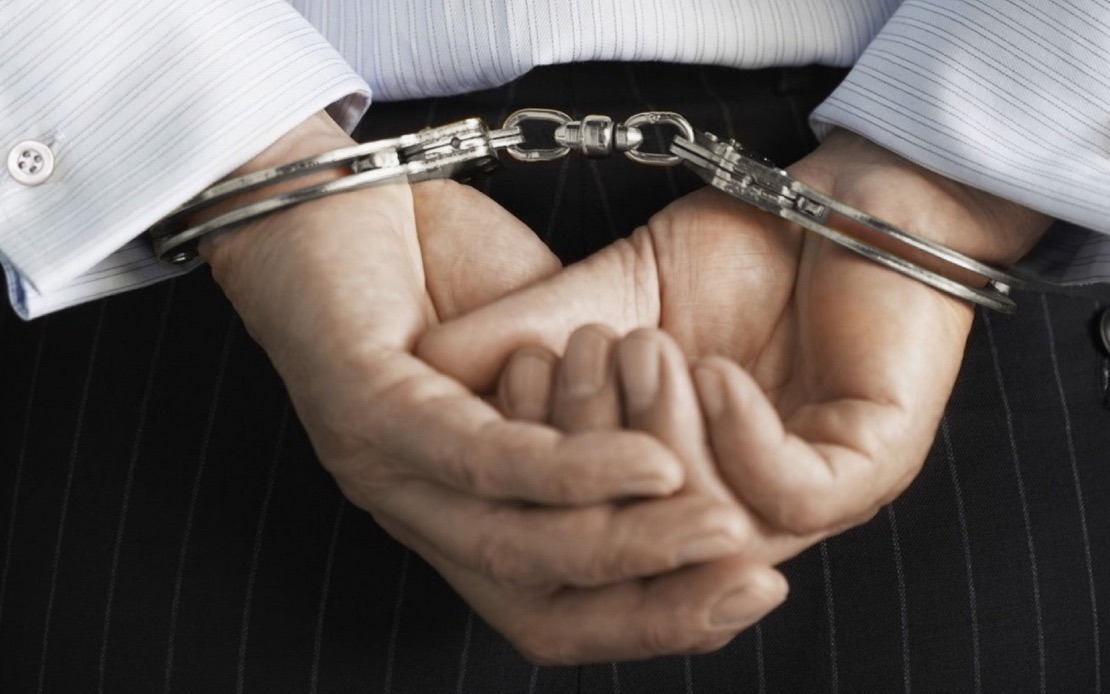
A 26-year-old man has been taken into custody following the death of Ann Widdecombe, a prominent figure in British politics who served as a Conservative Member of Parliament and later became a vocal advocate for Brexit. The suspect was arrested on Friday at an address in Newton Abbot after Widdecombe, aged 78, was discovered with serious injuries at her residence in Haytor on Dartmoor on Thursday. The incident has sent shockwaves through Westminster and beyond, with senior political figures across party lines expressing their condolences to her family.
Widdecombe's career in mainstream politics spanned more than two decades. Representing the Kent constituency of Maidstone between 1987 and 2010—a constituency that became Maidstone and the Weald during her tenure—she held several ministerial posts during John Major's time as prime minister. Her period in the Home Office proved particularly memorable, marked by a controversial clash with her colleague Michael Howard, whom she memorably described as having "something of the night about him," a characterization that became legendary within political circles and popular culture. She also became the subject of considerable scrutiny for her defence of a contentious policy involving restraints on pregnant prisoners, demonstrating her willingness to take positions that provoked public debate.
Following her departure from the House of Commons, Widdecombe maintained a high public profile through media appearances and involvement in European politics. She became a prominent voice in the campaign to withdraw Britain from the European Union, eventually joining Nigel Farage's Brexit Party in 2019 and serving as a Member of the European Parliament representing South West England from 2019 to 2020. After her time in Brussels, she transitioned to Reform UK, where she served as a spokesperson on immigration and justice matters, continuing to champion the causes that had animated her political career.
According to Devon and Cornwall Police Assistant Chief Constable Matt Longman, investigators are pursuing the matter with an open mind regarding motive and circumstances. Significantly, authorities have stated that the case is not being treated as a terrorism-related incident, nor is there currently evidence suggesting the attack was politically motivated. Police have indicated that it remains unclear whether the suspect had any prior connection to Widdecombe, and detectives are maintaining a broad investigative approach as they gather evidence and interview witnesses.
Prime Minister Keir Starmer responded to the tragedy by reaching across party boundaries in a statement emphasizing national unity during a dark moment. From his official residence at Chequers, Starmer indicated he had communicated with Andy Burnham, Conservative Party leader Kemi Badenoch, and Reform UK chief Nigel Farage, appealing for consensus and collective respect in the face of violence. His remarks acknowledged Widdecombe's substantial contributions to British political life, describing her as a "distinguished politician" with "many achievements" whose death represented "a huge, huge loss."
Conservative leader Kemi Badenoch offered an emotional tribute, struggling to articulate her feelings about the violent death of an elderly woman and former colleague. Badenoch emphasized Widdecombe's distinctive personality—her spirited nature and candid outspokenness—while expressing incomprehension at how anyone could perpetrate such a "nasty, horrific attack" against a senior citizen. Her statement reflected the shock reverberating through the parliamentary Conservative Party, particularly among those who had worked alongside Widdecombe during her decades in Westminster.
Widdecombe's life extended well beyond her formal political roles. She achieved considerable celebrity status through television appearances, including her participation in mainstream entertainment programming that introduced her to audiences beyond the political sphere. This media presence sustained her public prominence even after she had left Parliament, allowing her to maintain influence over political discourse on European integration and immigration policy. Her ability to translate from electoral politics into media commentary made her one of Britain's recognizable political figures to the general public.
The death raises questions about political security and the safety of former office holders in Britain. Unlike some democratic nations, the United Kingdom has historically placed relatively few security restrictions on former politicians' movements and residences, particularly those who have left office. Widdecombe had chosen to establish herself in rural Dartmoor, a relatively isolated location that contrasts sharply with the protected environments often occupied by active or high-profile political figures. The incident may prompt discussions about protective measures available to former politicians who remain engaged in public life through media work.
For Malaysian and Southeast Asian observers, Widdecombe's career trajectory illustrates how democratic systems process political dissent and unconventional positions. Her transition from mainstream conservative politics to fringe movements like the Brexit Party and Reform UK demonstrates the fluidity possible in Westminster politics, where former MPs can relocate to alternative political formations without the structural barriers that might exist elsewhere. Furthermore, her willingness to publicly criticize colleagues and defend controversial policies showcased the relatively combative culture of British parliamentary debate, where personal criticism and policy disagreement are separated from broader collegial relationships.
The arrest and ongoing investigation will likely proceed under substantial media scrutiny, given Widdecombe's prominence and the shocking circumstances. British police procedures typically balance the presumption of innocence with thorough investigation, and the detailed forensic and testimonial work required will occupy investigators in the coming weeks. The case has already prompted reflection within political circles about civility, security, and the broader environment in which public figures operate.

