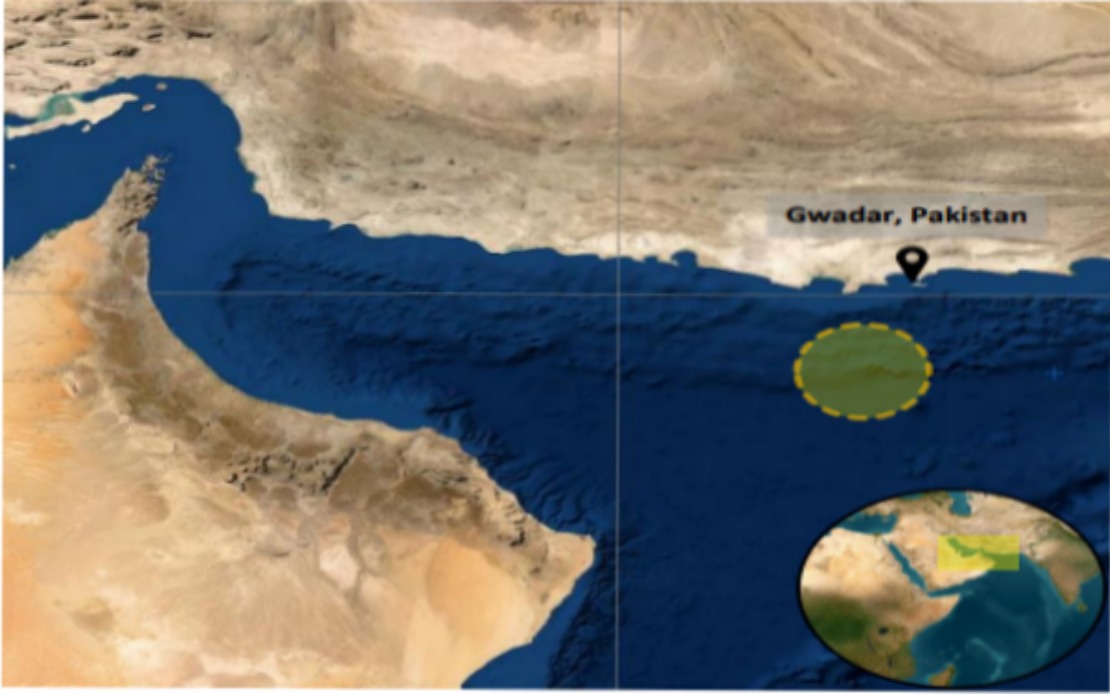
The UK Maritime Trade Operations (UKMTO) agency has issued an alert regarding an incident in the Gulf of Oman involving a commercial tanker and military forces in proximity to Gwadar on Pakistan's southwestern coast. The advisory, released on Tuesday, signals mounting concern over maritime security in one of the world's most critical shipping corridors, through which roughly one-third of all seaborne traded oil passes annually.
In its formal guidance to the international shipping community, the UKMTO instructed vessel operators to carefully review the most current maritime security assessments and maintain heightened vigilance given the unpredictable nature of the operational landscape in the region. The statement reflected growing anxiety among maritime authorities and commercial shipping interests about the escalating frequency of security incidents affecting merchant vessels transiting these waters.
The regulatory body confirmed that pertinent authorities have been notified and are actively investigating the circumstances surrounding the encounter. However, the initial advisory offered limited specifics regarding the identity of the tanker involved, the exact nature of the military forces present, or whether the incident resulted in any loss of life, structural damage, or cargo loss. This lack of transparency is not uncommon in initial reports, though it leaves significant questions unanswered for operators planning their voyages.
The timing of this incident is particularly significant given the deteriorating security situation unfolding across the broader Middle Eastern maritime domain. Recent months have witnessed a marked uptick in confrontational exchanges involving military assets from the United States and Iran, with both nations deploying increased naval and air resources throughout the region. These strategic manoeuvres have created an atmosphere of unpredictability that extends well beyond their immediate bilateral relationship.
For Malaysian shipping interests and regional operators, such incidents carry substantial commercial implications. Malaysia's maritime trade relies heavily on stable transit through Middle Eastern waters, with numerous Malaysian-flagged vessels and those chartered by Malaysian companies regularly navigating the Strait of Hormuz and surrounding areas. Any disruption to shipping lanes or insurance costs in these waters directly affects the nation's export competitiveness and import expenses, particularly for crude oil and refined petroleum products.
The Strait of Hormuz remains the primary chokepoint through which a significant proportion of global energy supplies flow to Asian markets, including Malaysia. Approximately 21 per cent of petroleum traded internationally passes through this narrow passage between Iran and Oman. Any sustained instability affecting vessel movements through the Gulf of Oman and adjacent waters creates knock-on effects for regional energy security and price volatility that ultimately impacts Malaysian consumers and industries.
The broader geopolitical context underlying this incident reflects the longstanding rivalry between Washington and Tehran, which has intensified following the 2018 withdrawal of the United States from the Joint Comprehensive Plan of Action, the international nuclear accord with Iran. This policy shift has been accompanied by successive rounds of American sanctions targeting Iran's oil exports and financial sector, prompting Iranian responses that have included assertive military posturing in the gulf.
Regional powers, including Malaysia's neighbouring states in Southeast Asia and the broader Indian Ocean region, have expressed concern about the potential for accidental escalation resulting from these military face-offs. The presence of multiple naval forces operating in close proximity creates risks of miscalculation, particularly when vessels communicate poorly or operate under unclear rules of engagement. The frequency of reported incidents involving tankers, cargo ships, and military vessels has steadily increased since 2019.
For Malaysia and other Southeast Asian nations dependent on Gulf resources and transit trade, the imperative to maintain freedom of navigation through these international waters remains paramount. Regional governments have been relatively cautious in their public statements regarding US-Iran tensions, seeking to maintain pragmatic relationships with both powers while protecting their own maritime interests. Malaysia, as a significant shipping nation and energy importer, has a vested interest in de-escalation and the establishment of clearer safety protocols for commercial vessels.
The UKMTO advisory represents one of several mechanisms through which international maritime authorities attempt to manage risk in contested waters. The agency, operating under the UK's Department for Transport, serves as an information hub for commercial shipping, providing real-time alerts about piracy, armed robbery, and other threats. Its warnings carry weight within the industry and influence insurance premiums, routing decisions, and operational planning by major shipping companies.
Shipping insurers and maritime security firms have responded to the deteriorating situation by implementing stricter protocols, including mandatory armed security teams aboard certain vessel types and recommendations for alternative routing that adds considerable time and expense to voyages. These measures, while enhancing safety, ultimately increase supply chain costs that are eventually passed to consumers throughout Southeast Asia.
Looking forward, the incident underscores the vulnerability of global maritime commerce to geopolitical instability. As international relations between major powers remain fraught with tension, the maritime community and regional governments must work collaboratively to establish communication channels, confidence-building measures, and clear protocols that reduce the likelihood of future confrontations. For Malaysia and neighbouring states, engaging constructively in regional maritime security dialogue remains essential to protecting national economic interests.

