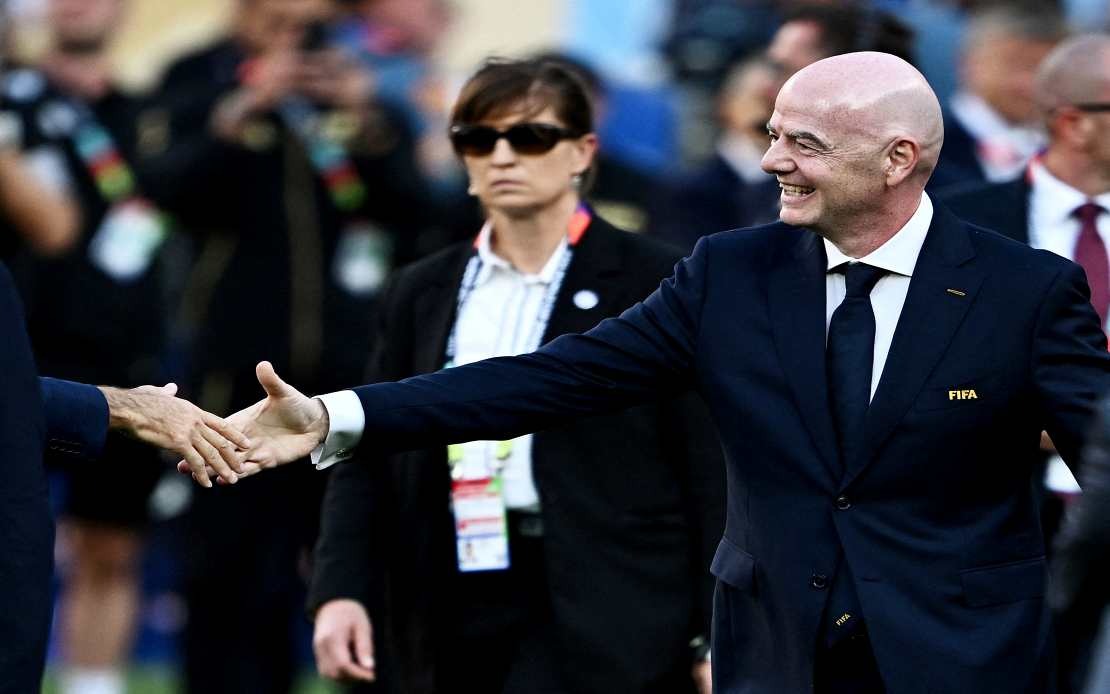
The escalating row between Europe's football governing body and FIFA has entered a new legal phase, with UEFA issuing a formal notice of intent to pursue litigation against FIFA President Gianni Infantino. The written communication, delivered through official channels, represents a significant hardening of UEFA's position following its dramatic decision to boycott FIFA competitions just days earlier. The demand for comprehensive document preservation signals UEFA's determination to build a robust legal case, suggesting the conflict could extend far beyond immediate diplomatic resolution.
At the heart of this dispute lies FIFA's now-abandoned proposal to monetise the organisation's substantial media and commercial portfolio. The scheme involved establishing a new entity to manage broadcasting and commercial rights across major tournaments, including the lucrative FIFA World Cup. FIFA had announced ambitions to raise US$4.2 billion by selling approximately 20 per cent of this newly created vehicle to private investors. The scale of the financial transaction underscored both the commercial value of global football's most prestigious competitions and the stakes involved in determining their future governance and revenue distribution.
Reporting in the immediate aftermath of FIFA's announcement suggested potential involvement of the Kushner Foundation, controlled by Joshua Kushner, brother of Jared Kushner who served as son-in-law and adviser to US President Donald Trump. This connection generated substantial controversy within European football circles, particularly given concerns about American private equity involvement in controlling international football's commercial assets. The geopolitical dimensions of the proposal, combined with questions about decision-making transparency, intensified opposition from UEFA and its member associations.
UEFA's response was swift and uncompromising. Within days of FIFA's initial announcement, the continental confederation declared an unprecedented boycott, with all member associations agreeing to withdraw from FIFA-sanctioned competitions until the commercial rights sale proposal was completely withdrawn. This was no symbolic gesture; a complete boycott of FIFA competitions would have created severe disruption to the global football calendar and threatened FIFA's commercial arrangements. The collective European position reflected deep institutional concerns about both the proposal's substance and the process through which it had been advanced.
Faced with this formidable resistance, Infantino reversed course on Saturday, announcing that FIFA was abandoning the commercial rights sale plan entirely. However, this capitulation came too late to satisfy UEFA's demands for accountability. The reversal itself raised fresh questions: why had such a consequential proposal been advanced without securing buy-in from Europe's powerful confederation? What internal governance safeguards had failed to prevent the initiative from reaching public announcement stage? These unanswered questions explain why UEFA's fury has not subsided despite FIFA's withdrawal of the proposal.
The broader context involves substantial personal financial implications for Infantino. According to media analysis, the commercial rights restructuring would have substantially increased the FIFA president's annual remuneration from €3 million to €30 million. This tenfold increase, linked directly to the controversial proposal, created obvious questions about whether Infantino's personal financial interests had influenced FIFA's institutional decision-making. The apparent conflict of interest strengthened UEFA's conviction that FIFA's leadership had lost the confidence necessary to govern global football fairly.
UEFA's formal legal notice employs carefully calibrated language intended to preserve evidence and establish a clear record of the confederation's formal objections. The letter, reproduced in international media including The Telegraph, states unequivocally that UEFA is "actively considering legal action, arbitration, and/or regulatory complaints" arising from "the FFE plan proposed by Fifa and all related matters." This formulation creates multiple potential avenues for UEFA to pursue its grievances, whether through conventional litigation, sports arbitration mechanisms, or regulatory complaints to authorities overseeing international sports governance.
Crucially, UEFA's notice demands that Infantino and FIFA immediately identify, locate, and preserve all documents and electronically stored information related to the commercial rights proposal. This preservation order carries legal significance in most jurisdictions, as failure to maintain evidence after receiving such notice can result in adverse inferences during subsequent proceedings. The demand effectively prevents FIFA from destroying or losing potentially damaging communications, internal assessments, or decision-making records that might substantiate UEFA's allegations.
The implications for global football governance are substantial. UEFA represents Europe's substantial concentration of football wealth, infrastructure, and institutional power. The confederation's willingness to contemplate legal action against FIFA, even after the contested proposal's withdrawal, demonstrates that European football's leaders view the incident as symptomatic of deeper governance failures requiring systematic remediation. Malaysian football followers should understand that decisions affecting world football competitions and their broadcasting arrangements ultimately depend on relationships between these powerful continental bodies.
For Southeast Asian observers, the dispute carries particular resonance because broadcasting rights to major international football competitions represent enormously valuable commercial assets. The incident illustrates how disputes over football's commercial architecture can trigger institutional conflicts with far-reaching consequences. Regional broadcasters, streaming services, and football fans across Malaysia and neighbouring countries ultimately depend on stable governance structures that FIFA and UEFA maintain through their sometimes fractious relationship.
The timing of this conflict also coincides with broader questions about FIFA's governance and leadership legitimacy. Infantino's tenure has been marked by various controversies regarding decision-making processes, financial arrangements, and the organisation's overall strategic direction. UEFA's escalation from boycott threats to formal legal notice suggests that the continental confederation has concluded that negotiated resolution alone will not achieve adequate accountability. Whether legal proceedings will eventually materialise, or whether further negotiations might yet resolve the dispute, remains uncertain. What is clear is that the damaged trust between FIFA and European football will require substantial time and effort to repair.
The preservation notice itself may prove consequential regardless of whether formal litigation proceeds. By creating a formal record of UEFA's objections and FIFA's obligation to maintain evidence, the legal communication establishes a paper trail that could influence subsequent governance reforms or regulatory investigations. International sports law specialists will likely scrutinise how FIFA responds to UEFA's demands, treating compliance or resistance as indicators of the organisation's genuine commitment to transparency and institutional accountability.

