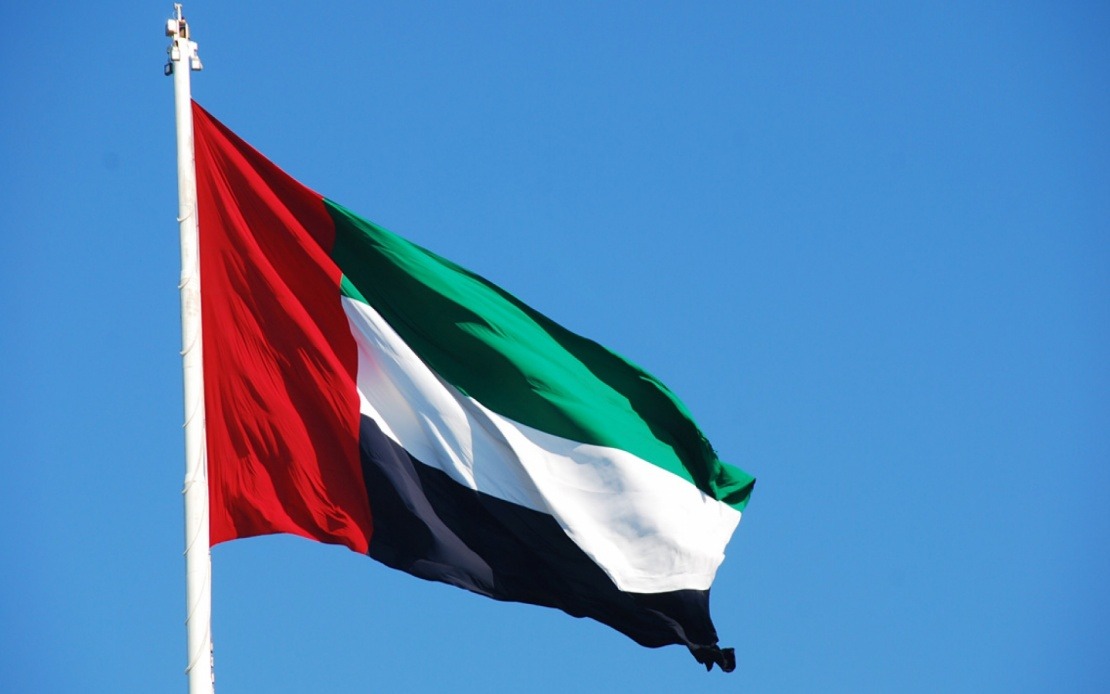
The United Arab Emirates has announced a sweeping suspension of all commercial and financial ties with Iran, marking a significant escalation in bilateral tensions between the two neighbouring Gulf states. The freeze encompasses trade, commercial exchanges, and financial transactions and will remain in effect until further notice, according to a statement from Afra Al Hameli, director of the UAE Foreign Ministry's Strategic Communications Department, issued on August 19.
The timing of the announcement reflects deepening anxieties within the UAE about regional security. The country's Defence Ministry had previously reported that air defence systems detected two ballistic missiles originating from Iran and heading toward maritime navigation zones. These alleged projectiles form the immediate backdrop for the economic sanctions, suggesting that Abu Dhabi views the incident as part of a broader pattern of destabilising behaviour in the Gulf.
The UAE's decision to sever economic links carries significant implications for regional commerce and stability. The two nations have historically maintained trade relationships despite political differences, and any disruption to these channels affects not only bilateral economic activity but also broader Gulf Cooperation Council dynamics. For Southeast Asian traders and investors with exposure to either economy, the suspension introduces fresh uncertainty around supply chains and financial flows that may have relied on UAE-Iran commercial channels.
In her statement, Al Hameli framed the suspension as a response to what she characterised as regional escalations that threaten both regional and international peace and security. She stressed that the UAE remains committed to dialogue, cooperation, and regional integration as essential pathways toward lasting stability and prosperity. This rhetorical emphasis on commitment to peace, even while implementing punitive measures, reflects the UAE's attempt to position itself as a reluctant actor forced into defensive postures rather than an aggressive protagonist.
The Emirati official also underscored her country's dedication to upholding the integrity of the international financial system. This language suggests that the UAE may be concerned about potential secondary impacts or reputational consequences stemming from financial dealings with Iran, particularly given the complex web of international sanctions and compliance requirements that govern cross-border transactions. By explicitly invoking adherence to international law and global standards, the UAE appears to be signalling that its suspension aligns with broader international efforts to contain Iran's economic reach.
However, Iran has firmly rejected the UAE's characterisation of events. Esmaeil Baqaei, a spokesman for Iran's Foreign Ministry, dismissed the claim that Iranian forces had launched missiles at the UAE, according to reports from Iran's semi-official Mehr news agency. Baqaei expressed regret over what he described as unfounded accusations against the Islamic Republic, characterising such assertions as violations of good neighbourly relations. This denial reflects the wide gulf between the two capitals regarding both the facts on the ground and the appropriate diplomatic response.
The escalating rhetoric and mutual recriminations highlight the fragile state of Gulf regional relations. For Malaysian policymakers and businesses with interests in the Middle East, the UAE-Iran rift underscores the persistent volatility that characterises the Gulf. The suspension of trade and financial transactions between two major regional economies illustrates how quickly geopolitical disputes can crystallise into concrete economic measures that disrupt normal commerce and investment flows.
The implications for Malaysia and Southeast Asia extend beyond mere observation of a bilateral dispute. The region's reliance on Gulf energy supplies, its role as a transit hub for international commerce, and the presence of significant Malaysian expatriate and business communities in both the UAE and Iran mean that deteriorating relations between these states create ripple effects across the broader region. Shipping routes through the Strait of Hormuz, through which a substantial portion of global crude oil passes, remain sensitive to security incidents in the Gulf, and missile incidents claim credibility to concerns about navigation safety.
The UAE's suspension of trade with Iran also reflects broader geopolitical alignments in the Middle East. The Emirati decision aligns the country with the United States and other states that have pursued policies of containment toward Iran. For Southeast Asian nations seeking to maintain balanced relationships across different regional powers, the deepening isolation of Iran presents diplomatic challenges and complicates efforts to preserve established trade partnerships.
Looking ahead, the open-ended nature of the UAE's suspension—described as indefinite rather than time-limited—suggests hardening positions on both sides. Economic sanctions tend to become self-reinforcing, as severed relationships and trust deficits make future reconciliation more difficult. Whether this suspension ultimately becomes a permanent feature of UAE-Iran relations or yields to negotiations will depend on how the two states resolve the underlying security concerns and geopolitical tensions that prompted the measure in the first place.

