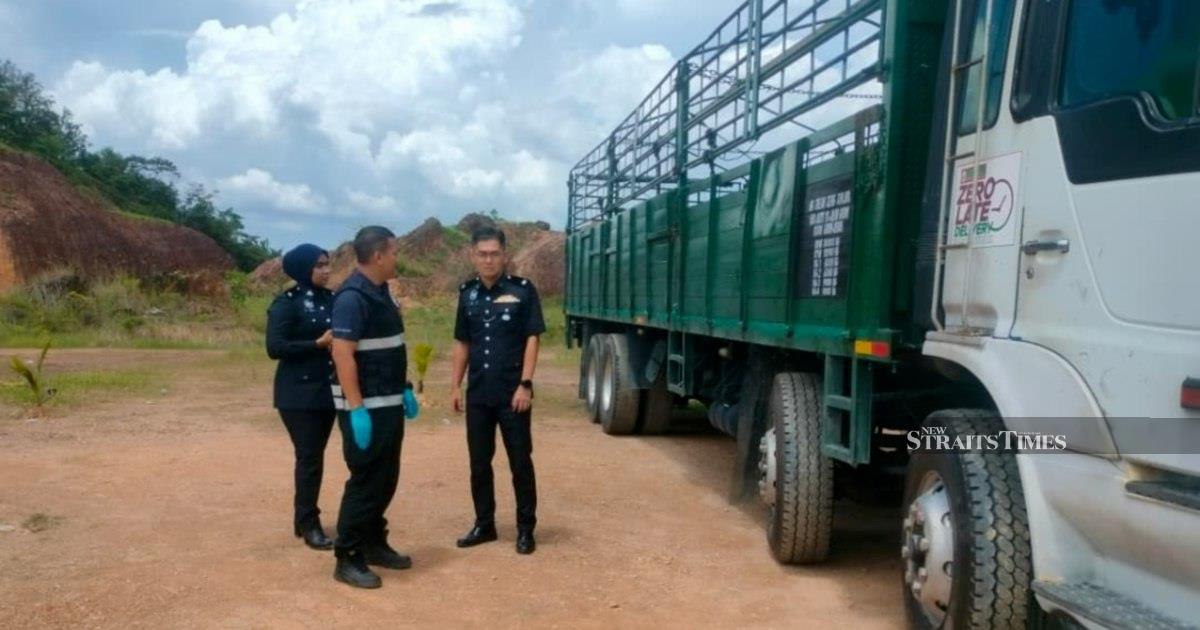
A tragic accident has claimed the life of a toddler in Sungai Petani after she was struck by a reversing lorry in her family's residential compound. The 2-year-old girl was hit by the heavy vehicle being operated by her 61-year-old grandfather at their residence in Kampung Bukit Kuang. In response to the incident, Kedah Royal Malaysia Police have taken the elderly man into custody to facilitate their investigation into the circumstances surrounding the child's death.
Driveway accidents involving reversing vehicles represent a persistent and preventable hazard in residential areas across Malaysia. The confined spaces of family compounds, combined with reduced visibility for operators of large vehicles, create particularly dangerous conditions for young children who may be playing or moving within the area. Such incidents underscore the critical importance of implementing safety protocols whenever vehicles are in motion near residential dwellings where small children are present or may be present.
The detention of the grandfather follows standard investigative procedure in cases where fatalities occur involving vehicle operation. Police will be examining multiple factors including visibility conditions at the time of the incident, whether warning systems on the lorry were functioning properly, the positioning of the child at the moment of impact, and whether adequate precautions were in place to prevent unauthorised entry into the active reversing zone. These details are essential for determining the cause of the accident and any potential contributory factors.
Traffic safety experts and child welfare advocates have long highlighted the particular vulnerability of young children in vehicle-related accidents within domestic settings. Children aged one to four years old, who are typically at the height when reversing mirrors fail to detect them, face disproportionate risk in such scenarios. The limited awareness of operational danger and inability to move quickly away from hazards places this age group at heightened risk during everyday activities around family properties.
The incident raises important questions about home safety awareness and the measures families implement to protect young children in their immediate environment. Many residential accidents of this nature could potentially be prevented through heightened vigilance, clear communication between household members before vehicle movement, and the establishment of physical barriers or restricted zones during vehicle operation. The presence of additional adults to supervise and provide spotting assistance during reversing manoeuvres is a simple precaution that could prove lifesaving.
For the grandfather involved, the emotional and legal consequences of this tragedy will be profound and enduring. Beyond the immediate shock and grief of losing a young family member, he now faces a police investigation that will examine whether any negligence or breach of duty contributed to the fatal outcome. Depending on investigators' findings, potential charges could range from causing death by negligent act to other related offences under Malaysian law.
The broader community impact of such accidents extends far beyond the immediate family. Neighbouring residents, friends, and family members of the deceased experience secondary trauma and loss. Additionally, such incidents often prompt public discussions about child safety practices and residential security protocols, potentially leading to greater awareness of preventive measures across Malaysian households.
Police investigations into vehicle-related fatalities typically involve examination of the vehicle itself, including its mechanical condition and safety features. If the lorry is equipped with reversing cameras, sensors, or audible warning systems, investigators will determine whether these were operational and functioning correctly at the time of the incident. Such technical details can provide crucial evidence regarding whether equipment failure played any role in the tragedy.
Malaysia's enforcement bodies and child protection organisations periodically issue reminders to parents and guardians about driveway and vehicle-related hazards. These campaigns emphasise the importance of never leaving young children unattended in areas where vehicles might be operating, ensuring clear communication protocols are established before any vehicle movement occurs, and maintaining constant awareness of children's locations and movements during potentially hazardous activities.
The investigation by Kedah police will ultimately determine the precise sequence of events and whether any legal liability attaches to the grandfather's actions. Regardless of the outcome, this tragedy serves as a stark reminder of the hidden dangers present within seemingly safe domestic environments. For Malaysian families, the incident underscores the necessity of implementing rigorous safety practices and maintaining uncompromising vigilance when young children are present in areas where vehicles are operated or parked.

