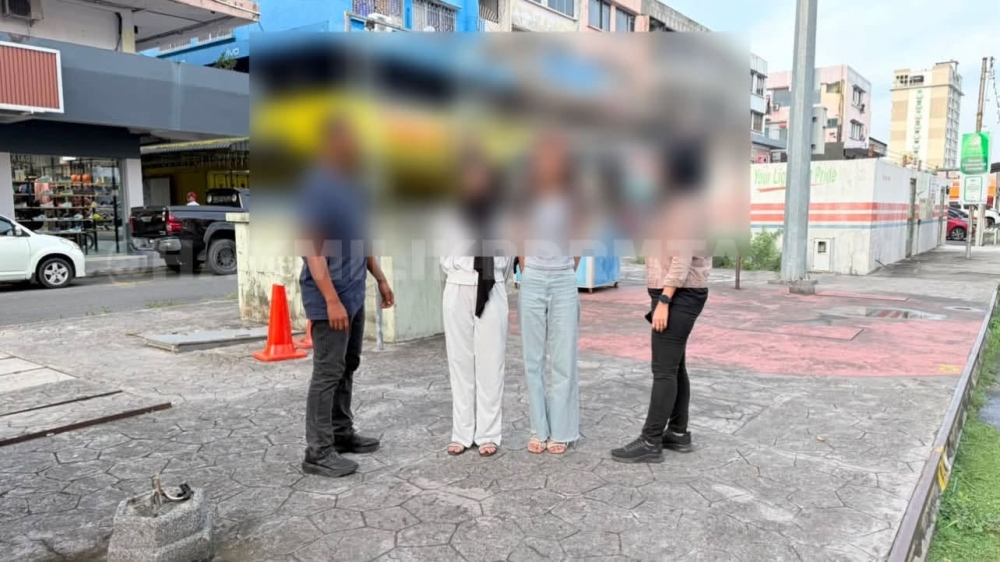
Two women have been taken into custody by Tawau police following an alleged physical confrontation at a restaurant in Bandar Fajar, marking another incident of public disorder in the busy commercial district. The arrest comes as authorities continue to emphasise their commitment to maintaining law and order across the municipality, a key concern for both residents and business operators in the area.
The incident unfolded at the restaurant premises, where witnesses reported that tensions escalated between the two individuals. Details surrounding the exact cause of the disagreement remain under investigation, though initial police reports suggest the altercation involved a dispute that quickly deteriorated into a physical exchange. The restaurant setting, a common gathering place for Tawau residents and visitors, drew the attention of patrons and staff who intervened to separate the parties involved.
Tawau police acted swiftly upon receiving reports of the disturbance, arriving at the scene to secure statements from witnesses and assess the situation. Both women were subsequently taken to the police station for questioning and formal booking. Authorities have indicated that investigations are proceeding to establish the precise sequence of events and determine appropriate charges under relevant provisions of Malaysian law.
The arrest highlights ongoing concerns about behaviour and conduct in public spaces, particularly in commercial establishments that serve as social hubs for the Sabah community. Restaurant owners and managers across Bandar Fajar have long expressed frustration over occasional patron disturbances, which can disrupt business operations and create discomfort for other customers. This incident adds to a pattern that local business associations have raised with municipal authorities in recent months.
For Malaysian readers, particularly those in Sabah, such incidents underscore the importance of public civility and the consequences of losing composure in shared spaces. The swift police response demonstrates standard operational procedures when disputes become physical, though the root causes of public altercations often reflect broader social tensions that warrant broader examination by community leaders and stakeholders.
The incident also raises questions about conflict resolution mechanisms available to individuals experiencing disputes. Many incidents that escalate to physical confrontation might be prevented through mediation services or community-based intervention programmes, which remain underdeveloped in many Malaysian municipalities compared to urban centres in the Klang Valley or Johor Bahru.
Bandar Fajar, as Tawau's primary commercial and retail district, draws diverse crowds throughout the day and evening. The concentration of restaurants, shops, and entertainment venues makes it a focal point for social interaction, though this density occasionally brings challenging dynamics that test the capacity of local enforcement agencies. Police presence has been a visible feature in the area, yet incidents continue to occur, suggesting that law enforcement alone cannot resolve underlying issues.
The two women involved are currently assisting police with their investigation, and prosecutors will determine whether formal charges will be filed. Depending on the nature and severity of injuries sustained, charges could range from simple affray to more serious provisions under the Penal Code governing criminal intimidation or causing hurt to others. The legal outcome will likely influence how such incidents are handled going forward by both police and the courts.
For residents and business owners across Tawau, the incident serves as a reminder of the importance of maintaining composure during disagreements, regardless of how emotionally charged a situation becomes. The costs of such incidents extend beyond immediate legal consequences to encompass reputational damage, potential civil liability, and broader implications for community safety perceptions. Families of the accused women may also face social and financial strain as the matter progresses through legal channels.
Looking ahead, this incident may prompt local authorities to renew discussions about enhancing community safety programmes and conflict de-escalation training in high-traffic commercial areas. Municipal leaders in Tawau have opportunities to work with restaurant associations and community groups to develop strategies that prevent escalation before incidents reach the stage requiring police intervention. Such proactive measures have proven effective in other Malaysian towns and merit consideration in Sabah's second-largest city.
The case also underscores the broader challenge facing Malaysian law enforcement in maintaining public order without appearing heavy-handed. Finding the balance between enforcement and community engagement remains an ongoing tension in modern policing, particularly in towns like Tawau where population pressures and commercial dynamism continue to reshape social dynamics.

