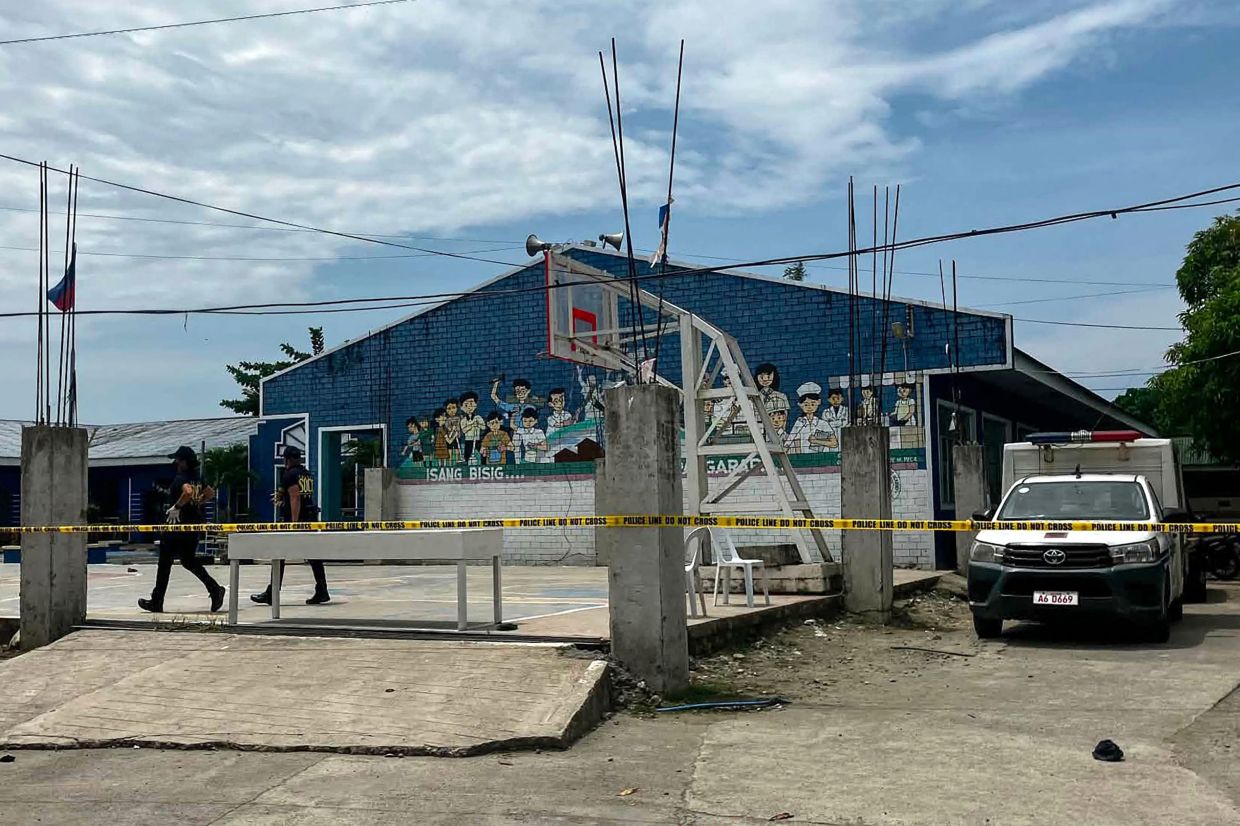
A school shooting in the central Philippines on Monday left three students dead and seven others wounded, shocking a nation where such incidents remain uncommon despite widespread gun violence. The attack occurred at San Jose National High School in Tacloban city when two student gunmen, aged 14 and 15, opened fire during mid-morning hours. Both suspects were quickly apprehended, with one arrested on campus and the other discovered hiding in a nearby house after fleeing the scene. Regional police chief Brig. Gen. Jason Capoy confirmed that the deceased and injured were all fellow students at the government-run institution, which serves more than 1,500 pupils.
The circumstances surrounding how the teenage attackers obtained their weapons reveal significant security lapses at the school and within law enforcement ranks. One suspect acquired a 9 mm pistol from an aunt who holds the position of police officer, an action that has now triggered a separate investigation into the officer's conduct. The second suspect carried a calibre 38 revolver. Neither youth had prior criminal records, yet they managed to smuggle firearms onto campus undetected. Police attributed this breach to inadequate entry security, noting that the sprawling campus with multiple access points was guarded by only a single security officer at the time of the incident. This single-point-of-entry challenge allowed the armed pair to proceed with their attack.
Investigators are still determining the underlying cause of the violence, though initial interrogations provided a troubling clue. According to Brig. Gen. Capoy, both suspects claimed during questioning that they had experienced bullying at school. The two youths were close friends, a detail that may suggest shared grievances contributed to their decision to act together. Authorities have not yet released fuller details about the nature or extent of the bullying allegations, leaving questions about whether school administrators were aware of any complaints or warning signs before Monday's violence.
The attack unfolded across multiple locations within the school building, indicating the suspects pursued fleeing victims as they attempted to escape. After firing in one classroom, students scattered in panic, prompting the gunmen to chase some into an adjacent room where further shots were fired. Police recovered at least 40 shell casings from the scene, providing forensic evidence of the shooting's intensity and duration. The majority of those killed and wounded were female students, Capoy confirmed to reporters.
Harrowing mobile phone footage captured by students during the rampage documented the terror that gripped the campus. Videos posted online showed students huddled beneath classroom desks, their voices trembling as gunfire echoed outside. Some called their mothers while sheltering in place. Other recordings depicted panicked students fleeing the school grounds, many clinging to one another for emotional support as they confronted the trauma of the moment. These images underscore the psychological impact such violence inflicts on young people and their communities.
President Ferdinand Marcos Jr. responded swiftly to the incident, ordering a comprehensive investigation and instructing law enforcement to strengthen security measures across all schools, workplaces and public gathering spaces. Communications Undersecretary Claire Castro conveyed the president's sentiment, stating that he was deeply saddened by the shooting and acknowledging the profound fear and grief affecting parents and families of victims. The presidential directive signals concern that the shooting may indicate broader security vulnerabilities within the education system.
The Philippine legal framework will significantly shape how authorities handle the teenage suspects moving forward. Under a 2006 Philippine law, the 14-year-old attacker would be exempt from criminal prosecution, as the minimum age for criminal liability is 15 years. The 15-year-old may face charges, but only if investigators can establish that he clearly understood the criminal nature of his actions and comprehended the potential consequences. Both suspects are expected to be transferred to government welfare officers upon completion of the police investigation, with their cases likely to proceed through the juvenile justice system rather than adult courts.
While gun violence broadly remains endemic in the Philippines, school shootings specifically have historically been rare events. The country's persistent challenges with firearm-related crime stem largely from the circulation of unlicensed weapons throughout society, creating conditions where illegal guns remain accessible to criminal elements and, as Monday's incident demonstrates, to minors. The contrast between widespread gun violence generally and the relative scarcity of school shootings suggests that institutional factors within educational settings have historically prevented such tragedies.
The most comparable recent incident occurred in 2022, when a gunman opened fire at an upscale university in the Manila metropolitan area during a graduation ceremony, killing a former provincial town mayor with whom he harbored a long-standing personal dispute, along with two other individuals. That attacker was apprehended. The 2022 incident, like Monday's shooting, underscores how access to firearms by individuals with unresolved grievances can rapidly escalate to mass casualties. The shooting at San Jose National High School raises pressing questions about school safety protocols, the adequacy of security personnel, procedures for identifying at-risk students, and mechanisms for intervening when bullying or other warning indicators emerge.