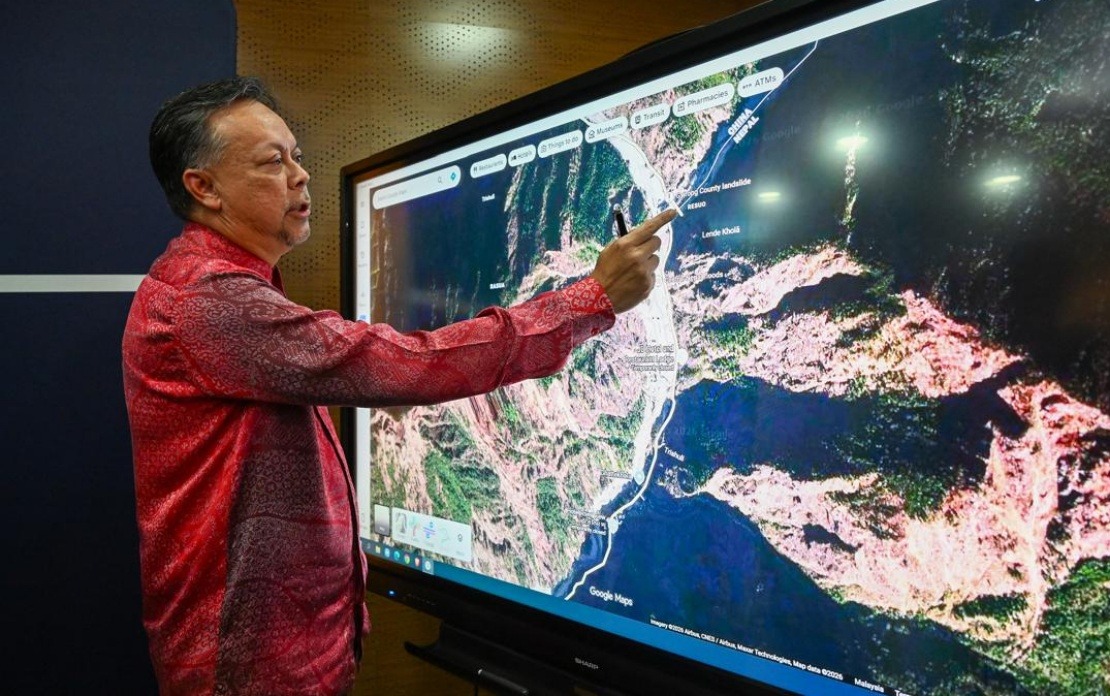
Malaysia's Foreign Ministry has made modest progress in locating citizens affected by the catastrophic flash floods and landslides that swept through Nepal on August 26, confirming that two of the 57 initially unaccounted-for Malaysians have been found safe. However, the identities and precise whereabouts of these individuals were still undergoing verification as of mid-afternoon on August 28, with 55 fellow citizens remaining out of contact and feared to be in the disaster zone. Foreign Ministry Deputy Secretary-General Datuk Syed Mohamad Hasrin Tengku Hussin cautioned that the verification process was critical to avoid duplication in the growing list of the missing and to establish definitive proof of their safety before making public announcements.
The scale of the disaster in Nepal's Rasua district was enormous. The Bote Koshi River's catastrophic overflow destroyed critical infrastructure across the region, sweeping away roads, bridges, and communication networks that would normally allow stranded tourists and trekkers to contact authorities or their families. Nepalese rescue authorities reported pulling 528 people from the floodwaters, of whom 490 were Nepalese nationals and 38 were foreign citizens, yet no Malaysians had been identified among those rescued. This troubling absence raised concerns that Malaysian nationals may have been caught in areas that remain inaccessible or were among casualties not yet accounted for, though the ministry cautioned against speculation until verification was complete.
The diplomatic response from Malaysia was swift and coordinated. Foreign Minister Datuk Seri Mohamad Hasan ordered the Foreign Ministry to intensify its search operations, leading to the deployment of an additional official from the Malaysian High Commission in Dhaka to Kathmandu to reinforce the embassy's stretched resources. This officer was assigned to coordinate information flows, maintain liaison with Nepalese authorities and emergency response teams, and keep tabs on developments across the affected zones. The Malaysian Embassy in Kathmandu has been working directly with Nepal's Foreign Ministry emergency unit, the Nepal Tourism Board, local tour operators, and Nepalese rescue agencies to piece together reliable information about Malaysian citizens' movements and current locations.
The challenge facing rescue workers and Malaysian officials alike stems from the environmental and infrastructural catastrophe that unfolded. Damaged bridges and severed roads have isolated the worst-hit areas from the capital and from communication centres, making it nearly impossible to send rescue teams into certain zones or to establish radio contact with those stranded. The monsoon weather patterns that continue to threaten the region have compounded the difficulty of mounting sustained search and rescue missions. Syed Mohamad Hasrin acknowledged that Nepal's own authorities were overwhelmed managing the crisis affecting their own population, with limited resources to dedicate to locating foreign nationals in the same disaster zone.
Malaysia's Foreign Ministry has established a round-the-clock operations centre in Putrajaya dedicated specifically to coordinating the response and managing the mounting anxiety of Malaysian families. Within the first few hours of the crisis becoming apparent, the ministry fielded between twelve and fifteen incoming calls from relatives and friends seeking confirmation about loved ones thought to be trekking or travelling in Nepal. Each piece of information received—whether from callers, Nepalese authorities, Tourism Malaysia, tour operators, or other sources—must be cross-referenced against multiple databases and verified through independent channels to ensure accuracy and prevent the same individuals from appearing multiple times on the missing-persons list. This methodical but time-consuming process, while necessary for maintaining reliable records, has frustrated families desperate for immediate updates.
The geographical and logistical factors complicating the search reflect the remote nature of Nepal's trekking routes and the particular vulnerability of tourists to sudden weather events in mountainous terrain. Many Malaysians visiting Nepal during the monsoon season undertake expeditions along high-altitude trails where communications infrastructure is minimal or non-existent. The flash flooding and landslides that struck the Rasua district caught trekking groups, tour parties, and independent travellers in circumstances where they could not quickly evacuate or call for help. Even where individuals survived the initial disaster, the destruction of bridges and roads has made it difficult for them to reach towns with functioning phone networks or medical facilities, leaving their families and the embassy in a prolonged state of uncertainty.
The ministry's call for family members to provide specific information—full names, passport numbers, travel itineraries, last known contact locations, and phone numbers—reflects the necessity of matching missing-persons reports against actual records and recent sightings. Tourism Malaysia and local tour operators have been instrumental in this effort, as they maintain records of which Malaysian nationals they arranged trips for and which routes they were scheduled to take. By cross-referencing these bookings against reports of unaccounted individuals and confirmed survivors, officials hope to reduce the list of the genuinely missing and identify those who may have already reached safety but have not yet been able to contact their families. The verification process is slow but essential to avoid false hope or misdirected rescue efforts.
For Malaysian travellers and their families, the incident underscores the risks inherent in trekking during the monsoon season and the challenges faced by diplomatic missions in responding to disasters in remote areas. The Foreign Ministry's decision to resource its Nepal response with additional personnel from the Bangladesh mission highlights how diplomatic networks across Southeast Asia and South Asia must coordinate during regional crises. The ministry's operations centre contact details—telephone +603 8887 4570 and email [email protected]—were widely circulated to ensure that anyone with information could contribute to the effort. The scale of Malaysia's diplomatic engagement reflects the significant number of nationals affected and the government's commitment to locating them despite severe external constraints.
The broader context of this crisis touches on Malaysian tourism to Nepal, which has grown over recent years as the country has become an increasingly popular destination for adventure tourism and mountaineering. Thousands of Malaysians visit Nepal annually to trek the Annapurna Circuit, climb Mount Everest, or undertake other high-altitude expeditions. The monsoon season, which runs from June to September, is generally avoided by experienced trekkers due to heavy rains and landslide risks, yet some tour operators continue to conduct treks during this period, sometimes with inadequate safety protocols or contingency planning. The August 26 disaster serves as a stark reminder of the weather-related hazards posed by Nepal's geography, particularly in remote districts far from immediate rescue infrastructure or advanced medical facilities.
The situation in Rasua district remains fluid and dangerous. Nepalese authorities have issued ongoing warnings about the risk of further water overflow from the river, particularly in border areas, and the rapid deterioration and improvement of conditions in mountainous terrain means that safety assessments must be continuously updated. For Malaysian officials coordinating the response from Putrajaya, the challenge is not only finding the missing but doing so within a narrow window before conditions potentially worsen further or communication windows close entirely. The Foreign Ministry's diplomatic corps, from the ambassador in Kathmandu to support staff in Dhaka and across South Asia, are now fully engaged in what may prove to be an extended and emotionally draining operation.

